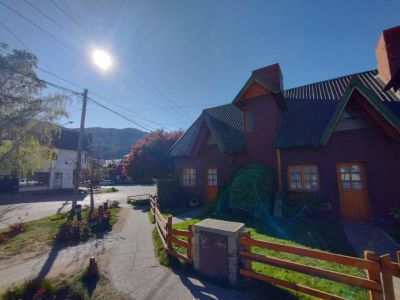
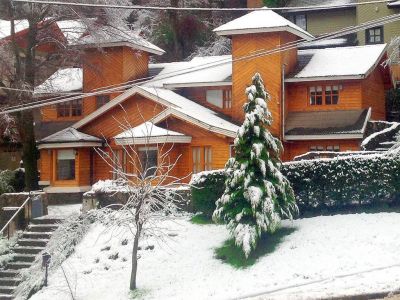
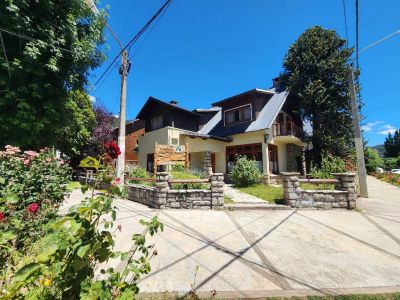
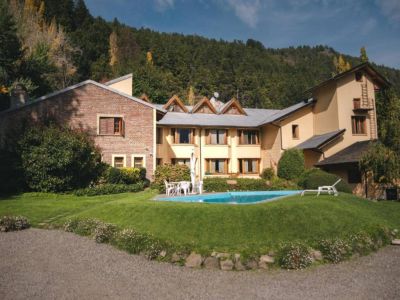
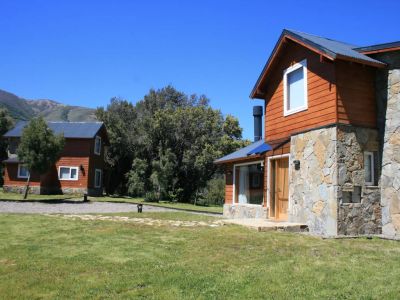
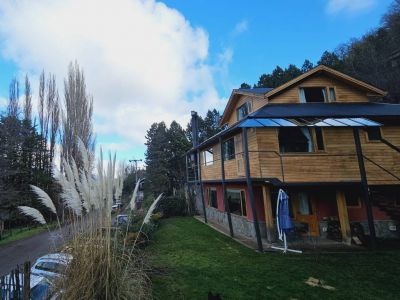
The First Settlers Museum is located in the civic center of San Martín de los Andes. The typical wooden house, built in 1930, operated as the venue for the first Committee of Public Works and then lodged the municipal authorities. In 1962, when the municipality began to operate in its present building, this construction was moved nine blocks away from its original location and used as a house, as a shed to stock materials and as a workers' dining-room.
In 1987, the house was recovered and restored in order to open its doors as a municipal museum. The pieces displayed there have a high historical value due to their age and preservation condition. They give evidence of the regional past.
Permanent exhibitions revolve around Patagonia in the 1500s, when these inhospitable lands were mostly dwelled by the Tehuelche indians, who occupied a vast territory from the humid pampas to Tierra del Fuego.
First Settlers' Museum
-
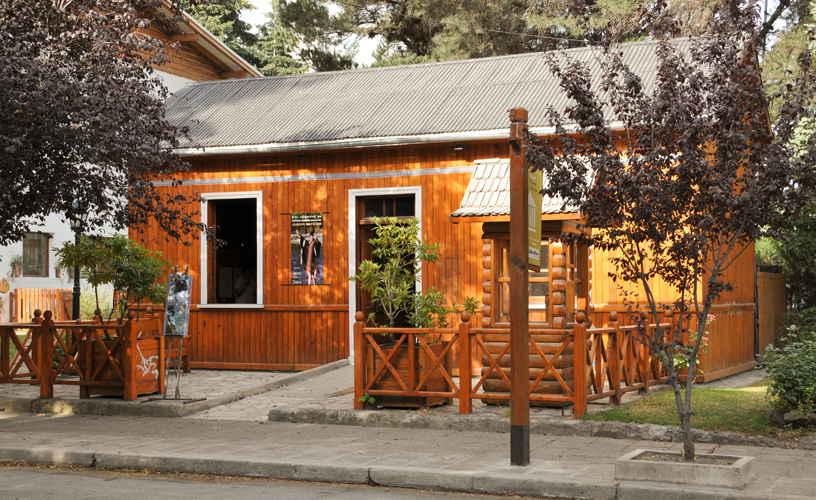
The first local committee of public works
-
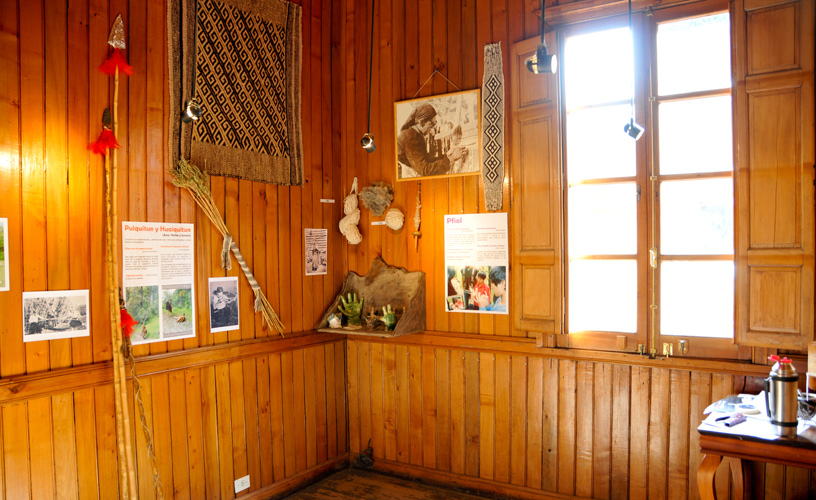
High historical value
-
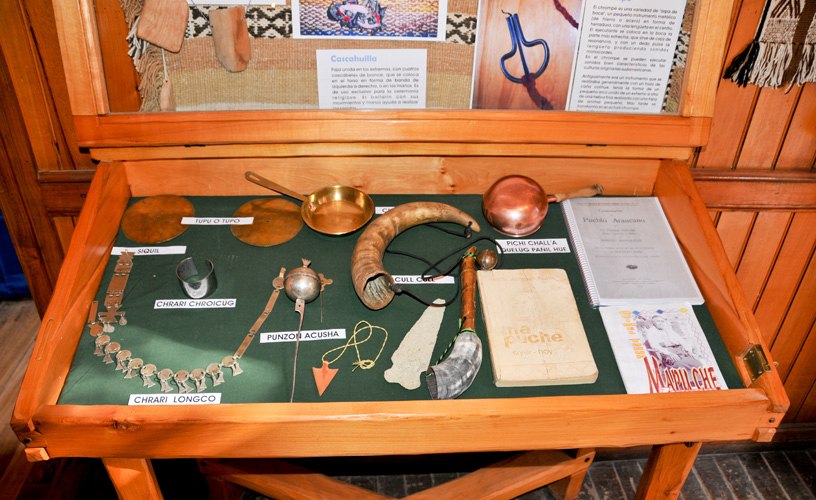
Countless tools and arrow tips
-
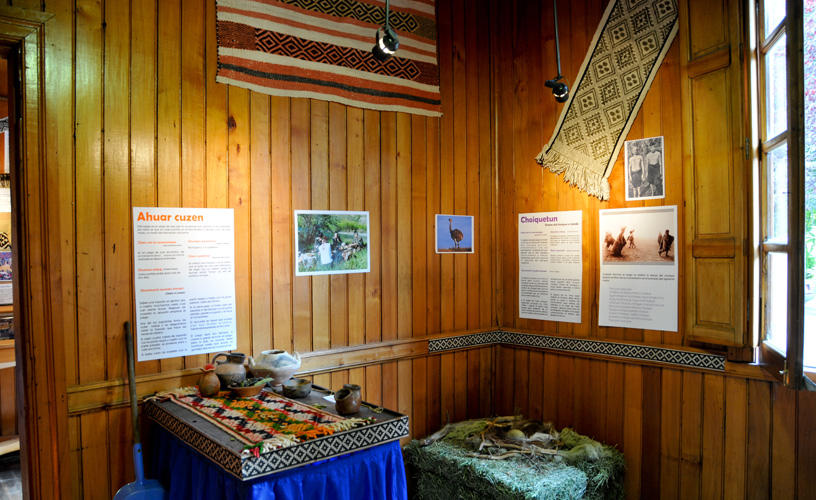
Patagonia in the 1500s
-
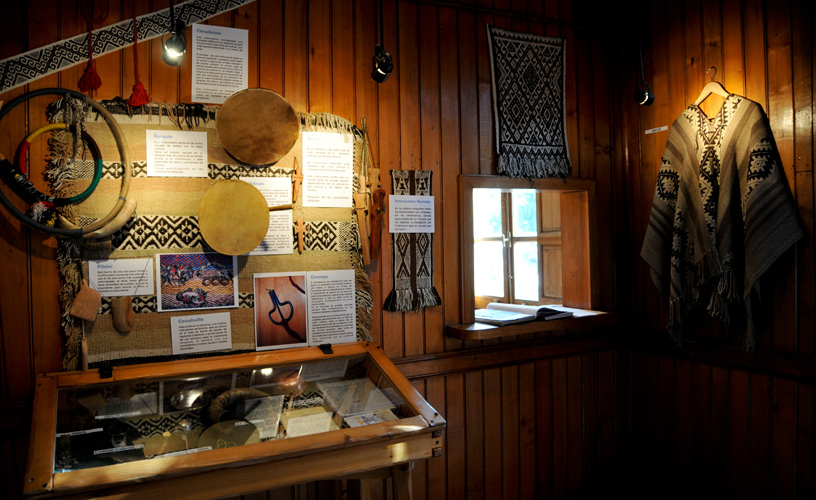
They give evidence of the regional past
-
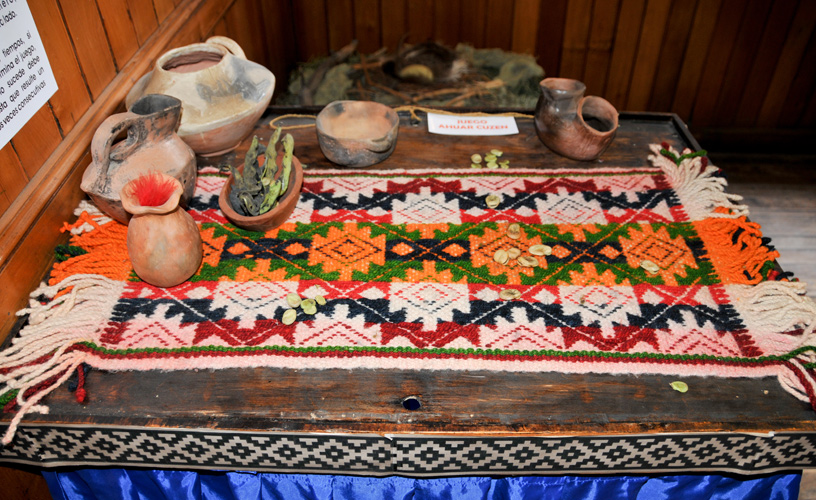
Woven products
The Pehuenches were the dominant ethnic group in the present Province of Neuquén and they ruled over both sides of the mountain range. The Pehuenches received their name from the main ingredient of their diet: the monkey-puzzle (pehuén) pine nut. Organized in family groups, they would move about and tour large extensions of land. Countless tools and arrow tips found in this region bring us knowledge about the daily life of these peoples. Among the objects found, some Valdivian pots discovered in excavatioons done inside the municipal land stand out.
The museum also presents a small paleontology exhibition of crustaceans and fish fossils donated by a collectionist called Mr. Erico Berry and found in western Neuquén and the coast of Chubut.
 Karina Jozami
  Eduardo Epifanio
Contact of the excursion or tour
Primeros Pobladores
Juan Manuel de Rosas 700, San Martín de los Andes, Neuquén, Argentina
 Tour Kind: archeological
 Level of Difficulty: low
 Duration: 30 minutes
 Timetables: from tuesday to friday 2pm to 8pm. Saturdays ands Sundays to 5pm to 8pm. Mondays closed.
 Twitter X
 WhatsApp
 Facebook
 E-mail
 Copy Link