We chose a spring afternoon to visit Punta Loma Provincial Reserve, lying on the south of the District of Puerto Madryn. Diego, the guide from Flamenco Tour, picked us up to lead us to a place crowded with the famous South American sea lions. We headed south following a gravel road and crossed the entire city. We saw Paraná Beach, where we appreciated the shipwreck of the vessel called Le Folies. This geographical spot is also chosen by SCUBA diving and submarine hunting fans to practice their activities. After traveling along 12 kilometers and getting past Avanzado Hill, we reached the reserve, which lies to the South of Puerto Madryn, on the shores of the Nuevo Gulf. We visited the house of the first park ranger, in charge of preserving the environmental zone in a very primitive way. According to records, Punta Loma was created in 1967 and it was the first natural reserve in the Province of Chubut. The purpose of its creation was clear: to preserve and protect the only permanent colony of South American sea lions, a mammal species spread all along the Atlantic and Pacific shores in Argentinian and Chilean Patagonia. Males feature a dark brownish-gray color and they differ from the females because they have a mane and they can reach 2.5 meters of length and weigh 350 kilograms. The South American sea lions breed in November, when the males fight to give shape to their harem and mate. Therefore, many sea lions resolve to move to the Puerto Pirámides colony. During December and until late January, the young are born. They usually have dark hair and they bleat like lambs. Moreover, this area is also dwelled by a colony of rock shags and South American terns, among many other sea birds, land animals, reptiles and mammals. Punta Loma presents mid-sized cliffs that fall onto the sea and large gravel beaches. On top of a precipice overlooking the gulf, a viewpoint features a sight of the sea lions colony, made up by approximately 600 specimens.
Punta Loma: South American Sea Lion
-
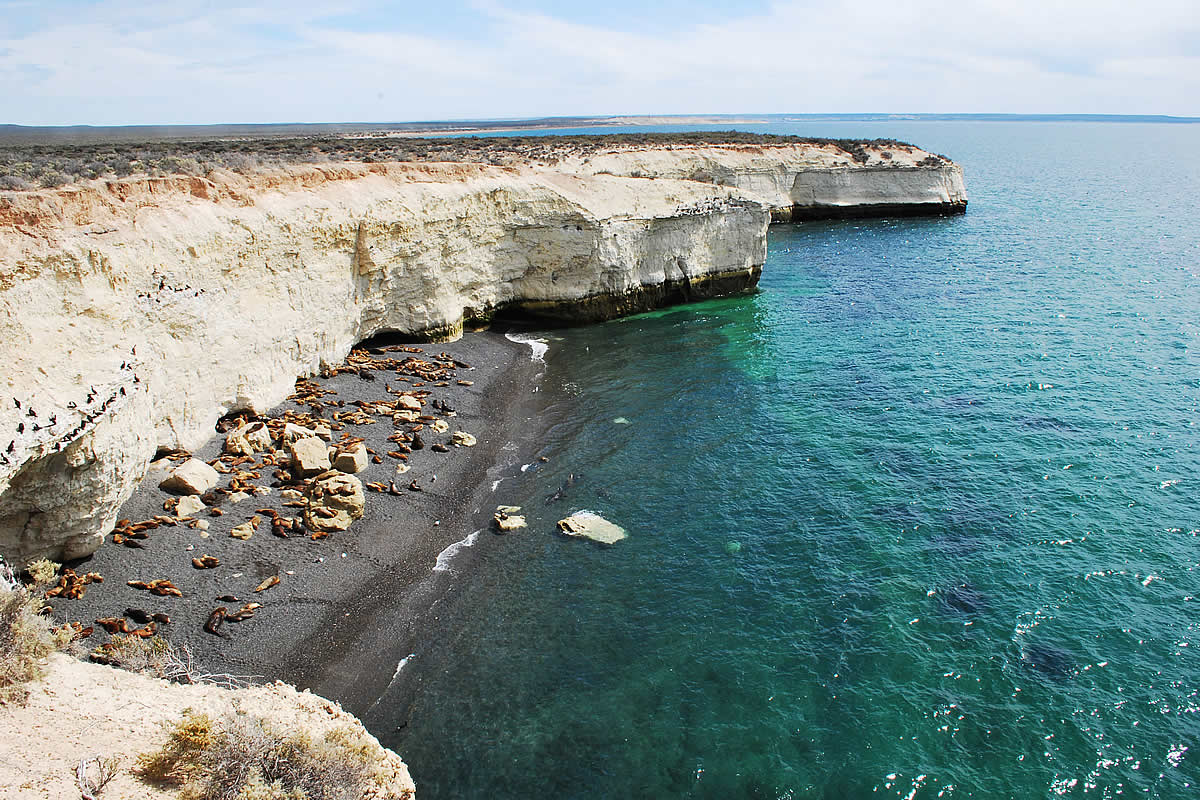
Punta Loma Provincial Reserve
-
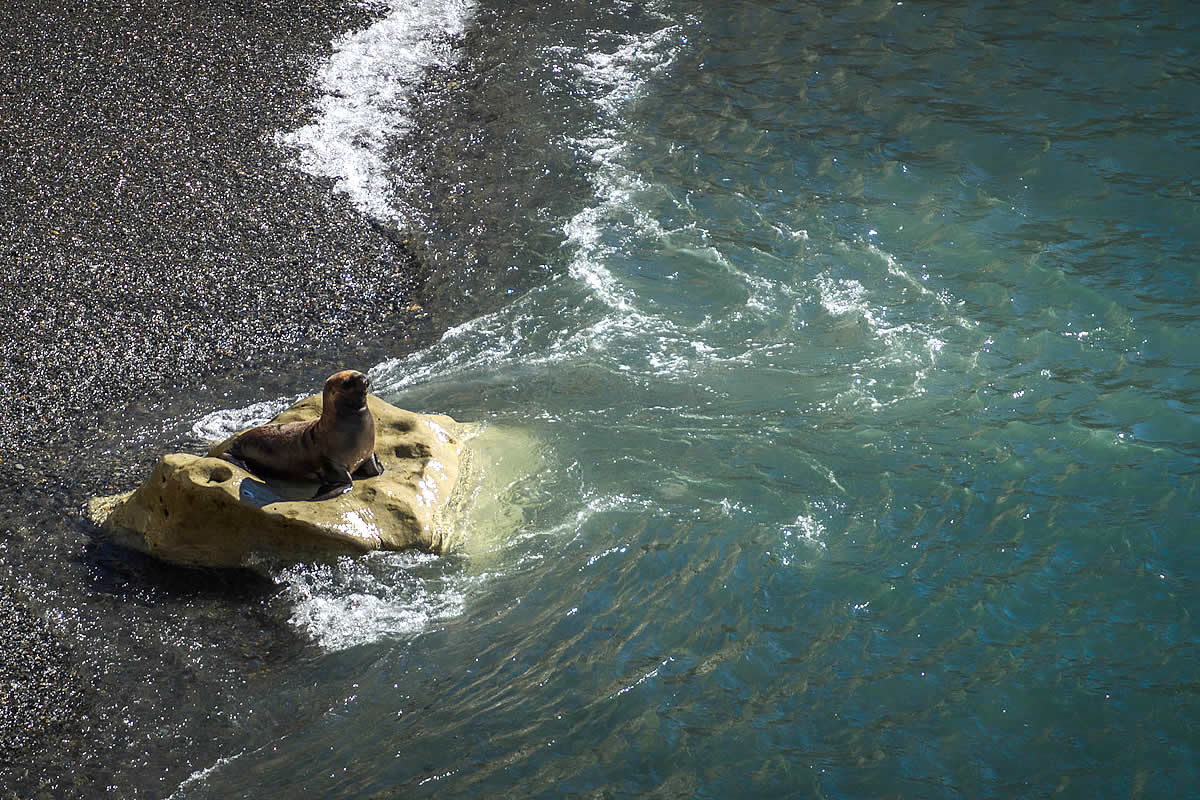
Punta Loma Provincial Reserve
-
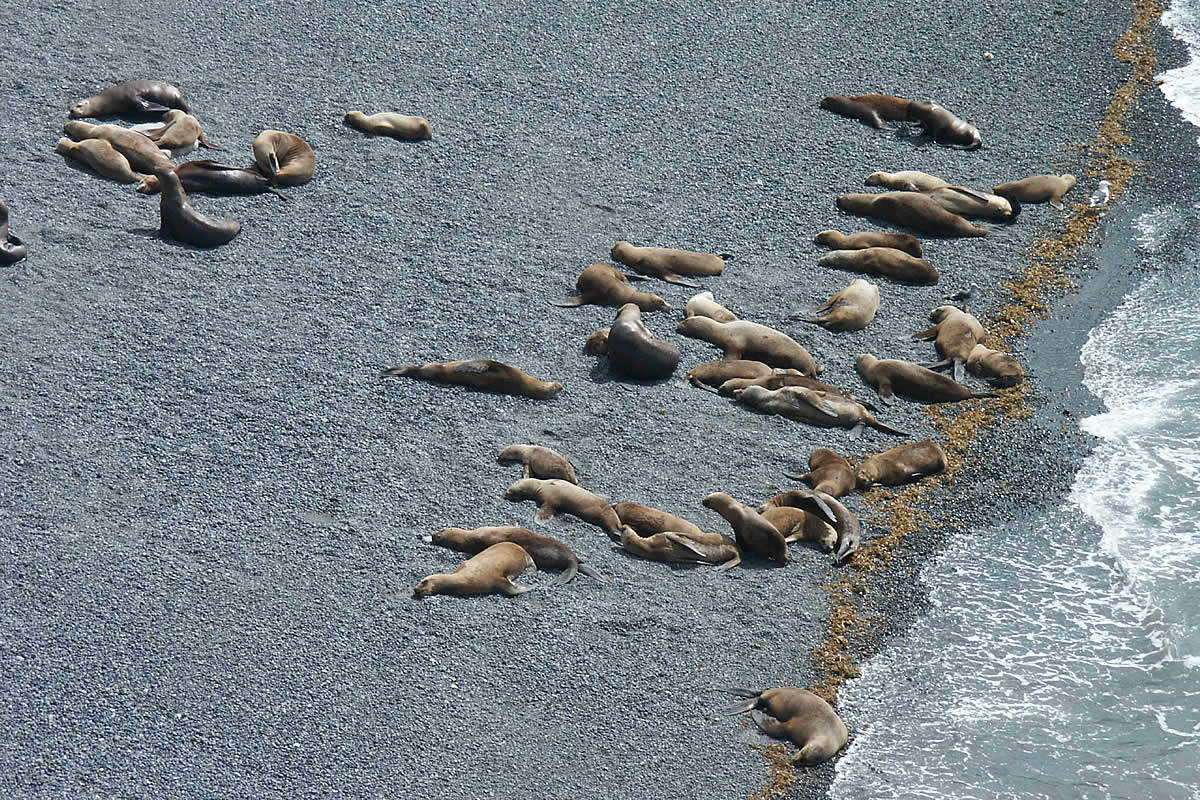
Punta Loma Provincial Reserve
-
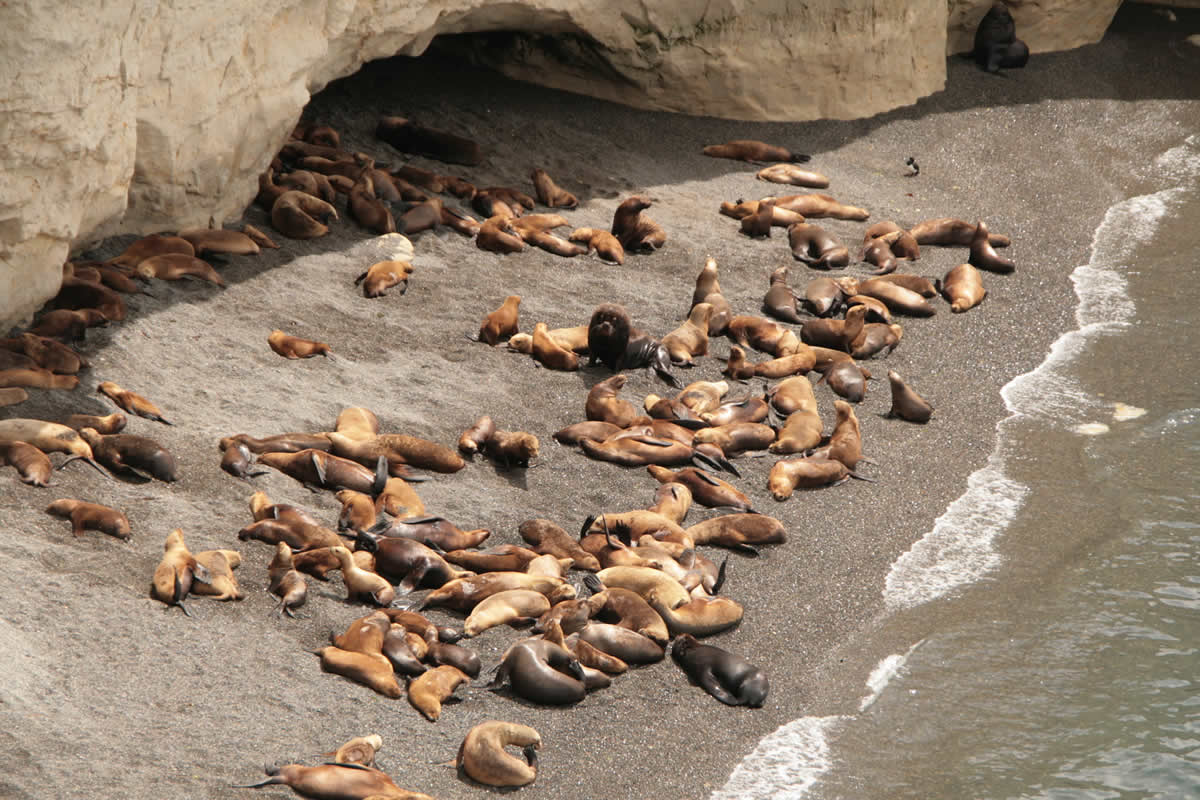
Punta Loma Provincial Reserve
-
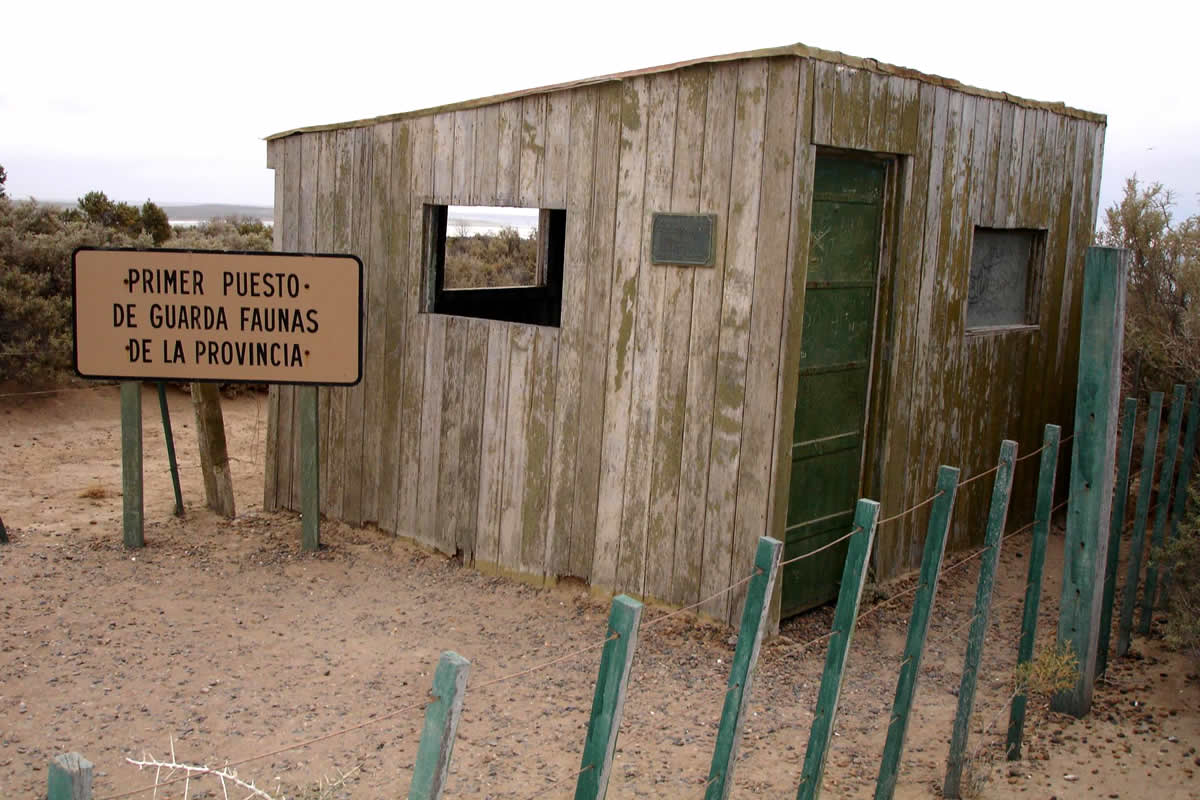
First position of keeper of the province
-
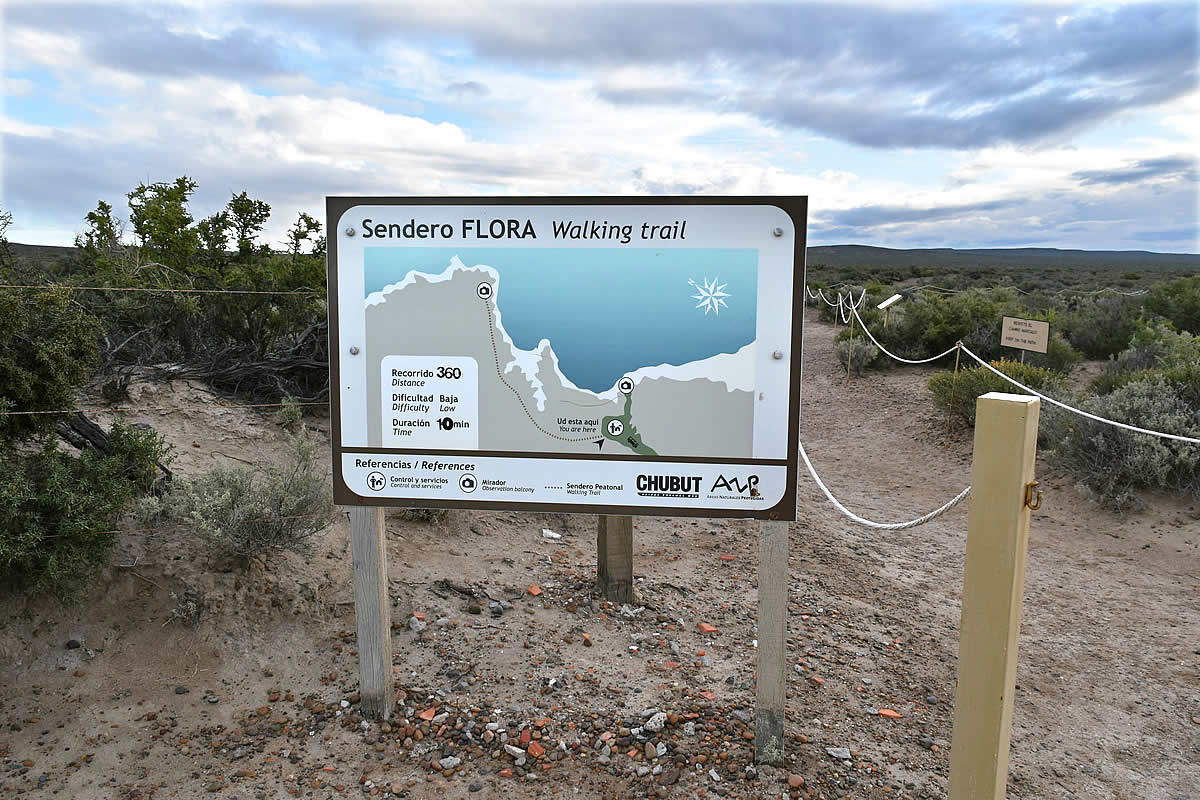
Flora trails
-
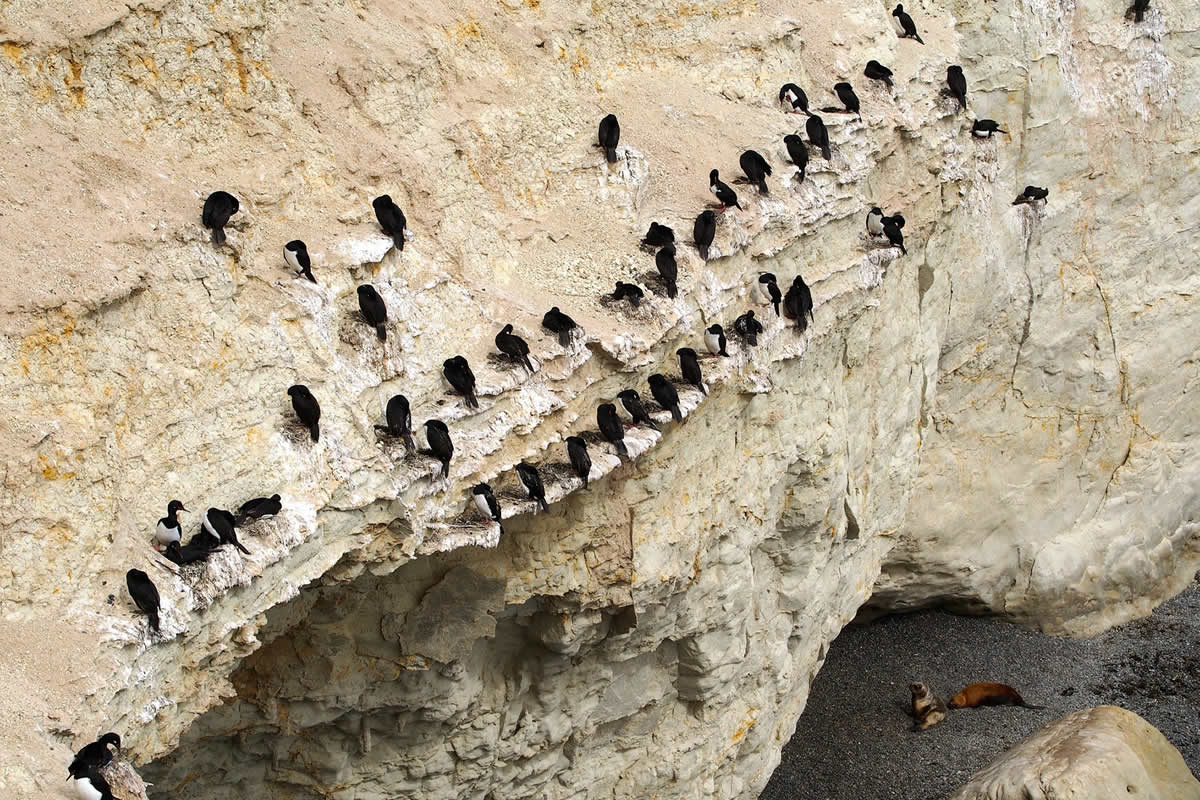
Punta Loma Provincial Reserve
In general, the shags make their nests on the clay walls. Typical animals such as guanacos, choiques, Patagonian hares, foxes and piches may be observed in the steppe area within the reserve. The entire strip also contains shrubs, typical of the Patagonian steppe and the woodlands. Some of them are jarilla, barba de chivo, algarrobillo, alpataco and piquillín. Quilimbay, cola piche, molle, mata laguna and mamuel-choique predominate in the highlands. Jume, vidriera and zampa, all susceptible of bearing the high salinity levels, lie closer to the seashore. Time passed and Diego suggested that we should get to El Doradillo Beach to watch the southern right whales from the shore. Thus, we decided to leave Punta Loma and its huge colony of South American sea lions.
 Karina Jozami
Contact of the excursion or tour
Flamenco Tour
Belgrano 25 - Local 1, Puerto Madryn, Chubut, Argentina
 Phone: +54 280-4455505
  Cell Phone: +54 280-5070934
Áreas Protegidas de Chubut
, Puerto Madryn, Chubut, Argentina
Phone: +54 280-4485271
 Tour Kind: fauna watching
 Level of Difficulty: low
 Duration: 1 hour
 Timetables: the reserve is visited in the low tide hours. Visitors may be informed about these timetables at the tourist office of by paying attention to local media.
 How to get here: Go Southeast from the center of the city. Travel 14 km. Towards Punta Ninfas to find the reserve entrance.
 as in all protected areas, it is important not to disturb the animals and to take care of the environment.
 Twitter X
 WhatsApp
 Facebook
 E-mail
 Copy Link