Puerto Aysén Activities and Tours
Filter by tags: AllContemplative tourismFishingReligious tourismHorseback RidingGastronomy
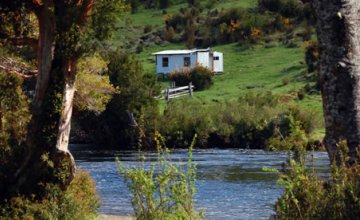
Going out Fishing in Lake Riesco
As we toured along the roads in the surroundings of Puerto Aysén, we got to see small almost deserted spots that offer direct contact with the forests, the rivers and nature. Our senses were thrilled.
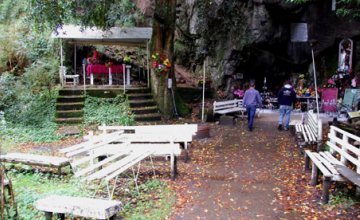
On the Roads of Devotion
There is an opportunity to visit two places for those interested in religious tourism on the outskirts of Puerto Aysén heading for Coyhaique.
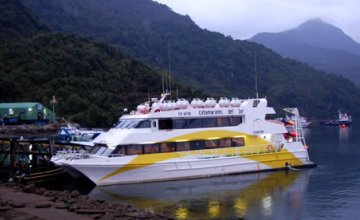
The Star in the Ice Fields
Laguna San Rafael National Park encloses incredible sceneries of ancient ice fields, water bodies and hills that may be appreciated in an unforgettable crossing.
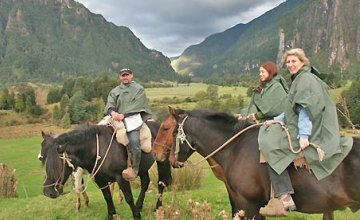
At Leisurely Pace
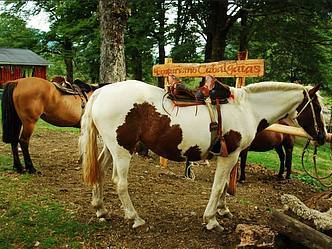
We discovered the fantastic surroundings of Aysén and Coyhaique in a horseback ride around the leafy banks of the Simpson River.
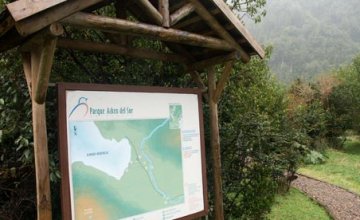
Untouched Nature in Aiken
A private park proposing to visit and explore the incredible environments of the area.
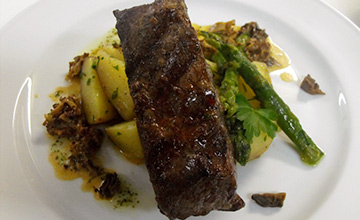
Good Eating at Aysén
The Aysén Region is surrounded by generous geographical features and offers a wide array of options when it comes to eating at its restaurants.
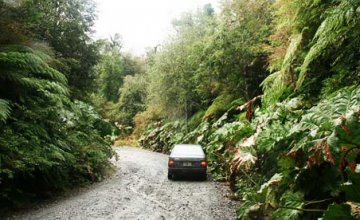
Queulat's Unspoilt Rainforest
The Queulat National Park encloses many natural wonders, including a rainforest still unexplored.
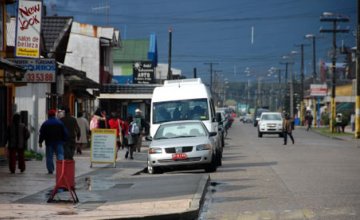
Streets and People in Puerto Aysén
A visit to Puerto Aysén shows a neatly laid out city with very active life and lush nature a few kilometers away from the ancient ice.