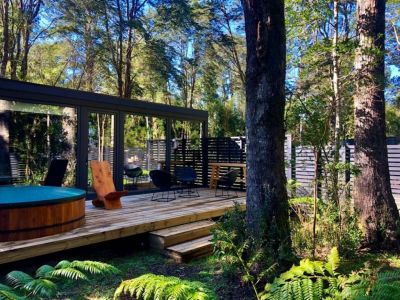
On an open scene featuring undulated lands that rest on the shores of Lake Llanquihue, there lies the community of Puerto Octay. Even though it does not boast the tourist label its neighbors do, it succeeds in luring visitors due to its visual traits. We left the road we had taken at Frutillar in order to enter the downhill access to Octay -as referred to by its denizens. The red roof and the dome of the parish church stuck out on the horizon. Then we came to its main square, around which the commercial and public life of the town unfolds. A roofed odeon is located at its center and gives evidence of the pleasure the locals take in musical shows. We unveiled an interesting combination of very old houses, some of them in excellent condition, and their history summarized in sign posts that include the name of their first owners. It was a thrilling and unusual detail, at least for us.
Hills of Puerto Octay
-
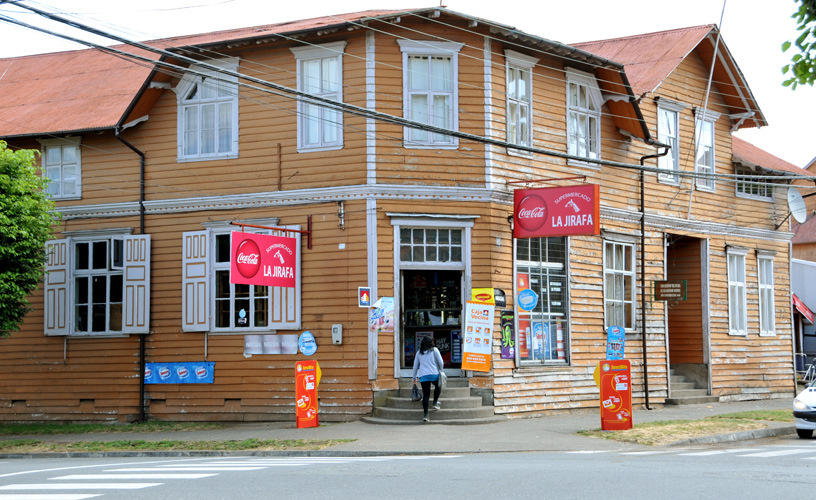
An interesting combination of very old houses
-
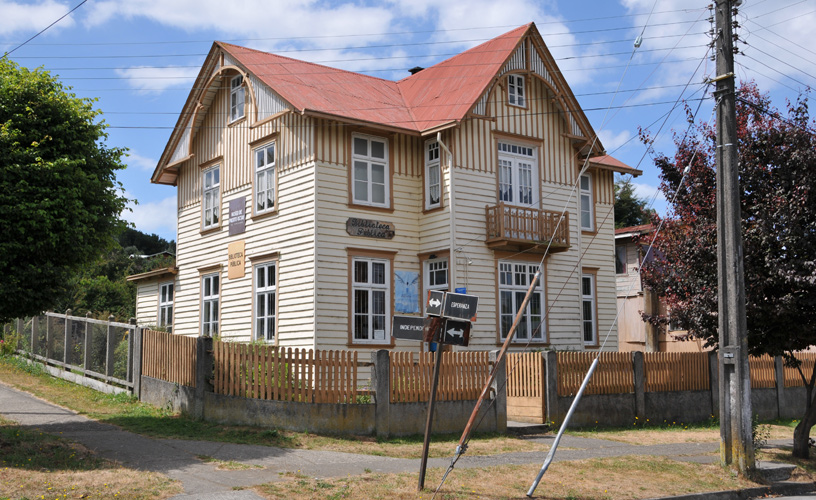
El Colono Museum
-
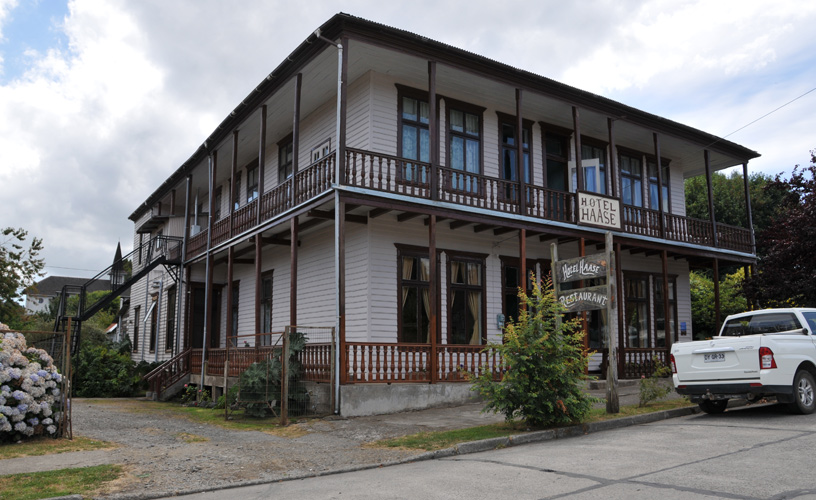
Hotel Haase
-
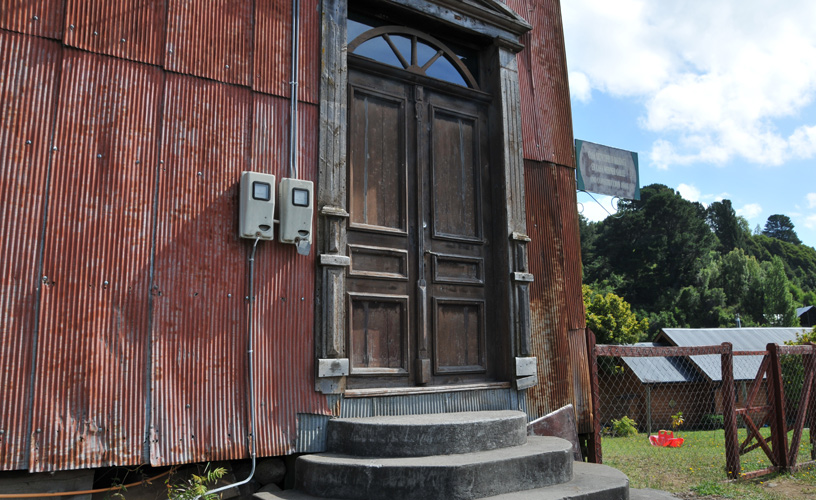
Posts that include the name of their first owners
-
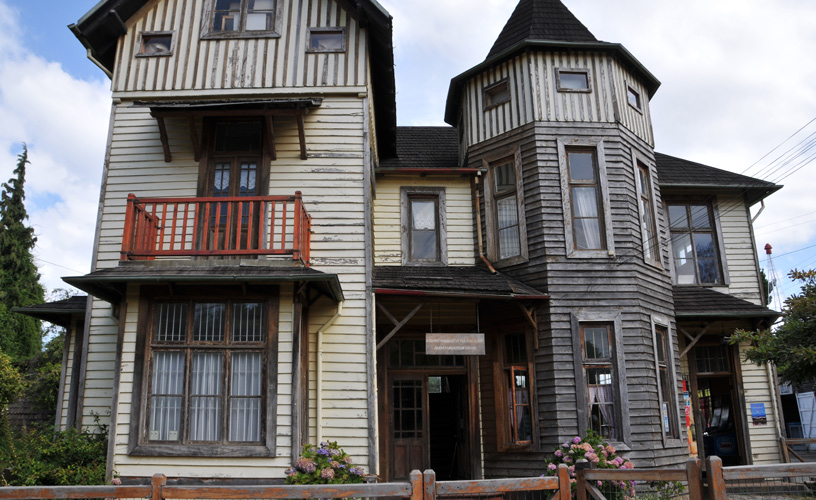
Hundred-year-old buildings
-
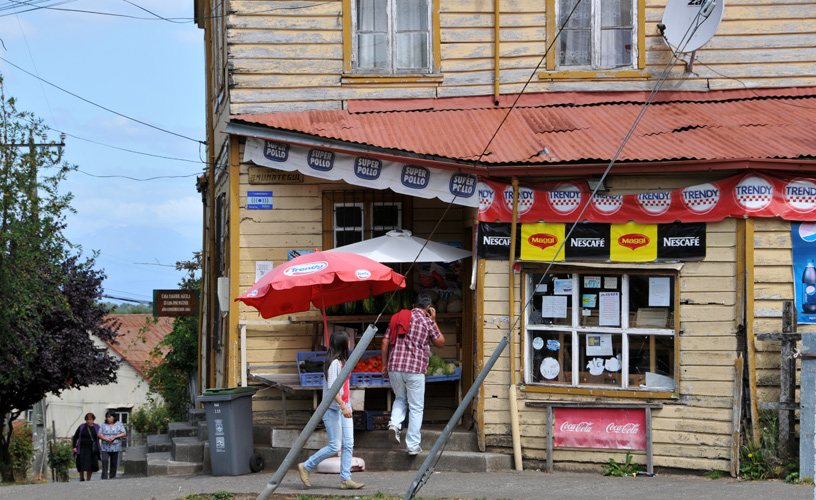
Were built in the early twentieth century
The houses were built in the early twentieth century, during the German colonization period. They were spacious, as families used to be large. They followed the styles of the regions of origin of the colonists and were essentially made of oak and laurel wood, found in the area. Today, most of these buildings continue to be dwelled today or else house stores, restaurants and tea houses. Hotel Haase -declared architectural monument-, Wulf House and Niklitschek House are worthy exponents of the arrival of the pioneers. We made a stop at El Colono Museum in order to learn a little bit about local history. We found out how the natives who conquered the land had lived, how their families were made up and what kind of work they did before the colonists arrived. A collection of objects, machinery and photographs represent urban chronicles, the development of navigation, the various trades and especially the agricultural and cattle-raising tasks. Daily life tools indicate how precarious the daily life of the German immigrants was. We visited the imposing San Agustín parish church, which was part of the postcard that welcomed us. Simple and with few ornaments, it dates back from 1908. Built entirely with wood, its tall columns hold the roof. Pointed arched windows feature beautiful drawings and carvings. We moved on and came close to the shore crossing several slopes in order to find the nearby beaches of fine sand, such as Maitén and la Baja, towards Centinela Peninsula. At this spot, Lake Llanquihue appeared in its entire splendor, with its well-defined coastline, its everlasting Osorno Volcano in front and its crystal-clear waters. The parade of water crafts and summer houses gave us a hint of the activities available at the coast, where angling also stands out. It is within this combination of hundred-year-old history and present natural life that Puerto Octay offers the best scenes and swim holes immersed in huge woods of giant blue pine trees we will never forget.
 Mónica Pons
  Eduardo Epifanio
Contact of the excursion or tour
Municipio Puerto Octay - Dep.Turismo
Pedro Montt 378, Puerto Octay, Región de Los Lagos, Chile
 Phone: +56 64-2391860

 Twitter X
 WhatsApp
 Facebook
 E-mail
 Copy Link