Pablo Korchenewski gave birth to Leleque Museum. This very much loved character arrived in Argentina from his hometown in Ukraine in 1948 and five years later he settled down for good in the south of the country. He lived in Río Turbio, where he was a miner, in Puerto Madryn and in other corners of Patagonia. He had always been eager to collect objects that proved the life of our ancestors in the region. After years of collecting and sorting old documents and valuable archaeological collections containing more than 14,000 items, that record became the greatest wealth of the Leleque Museum. Pablo is not the only protagonist in this history, though. In 1966, Korchenewski donated his collection to the Ameghino Foundation, fun by anthropologist Rodolfo Casamiquela, who was also his close friend. Later on, he became acquainted with Mr. Carlo Benetton, who had settled down in the area. That is how the Center of Scientific Investigations “The Patagonian Men and its Environment” was created.
Leleque, with the Scent of a Patagonian Museum
The past of Patagonia carved by the native people and European pioneers, who left their cultural imprint on a collection of very interesting artifacts, is displayed in its four rooms.
-
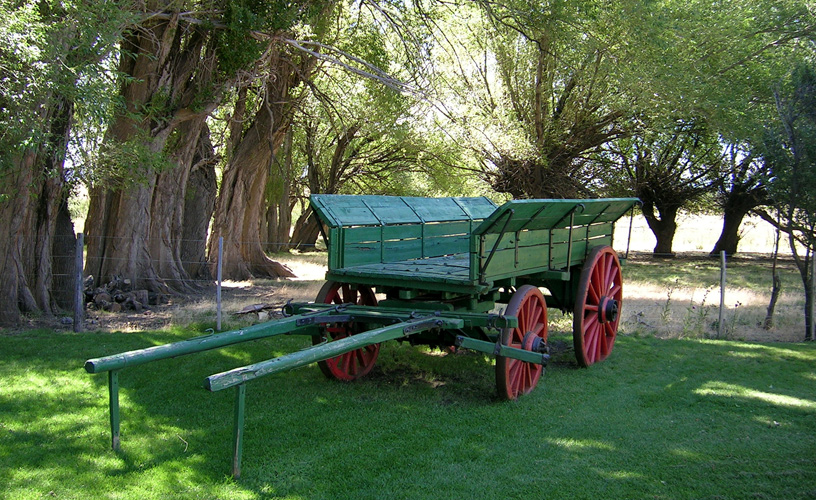
The life of yesteryear in these lands
-
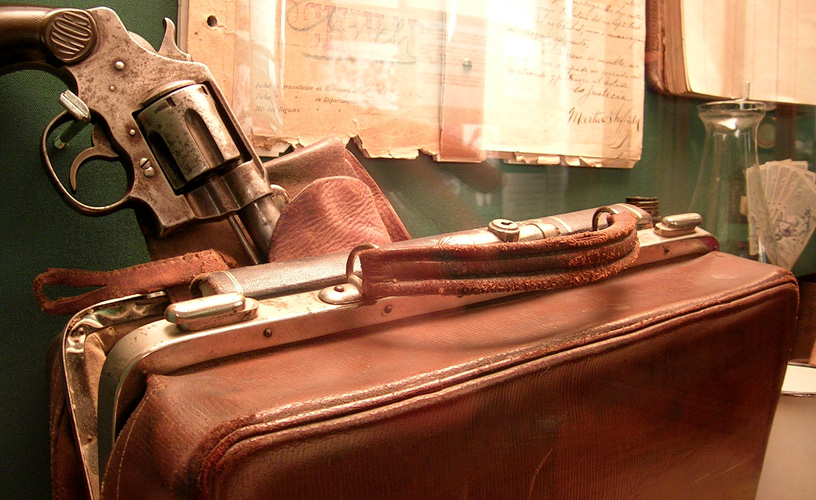
A collection of very interesting artifacts
-
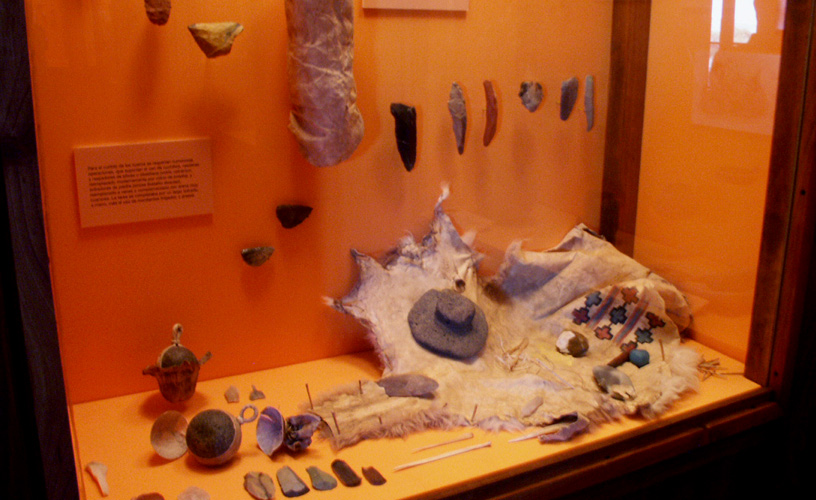
The historical value of the Tehuelche people
-
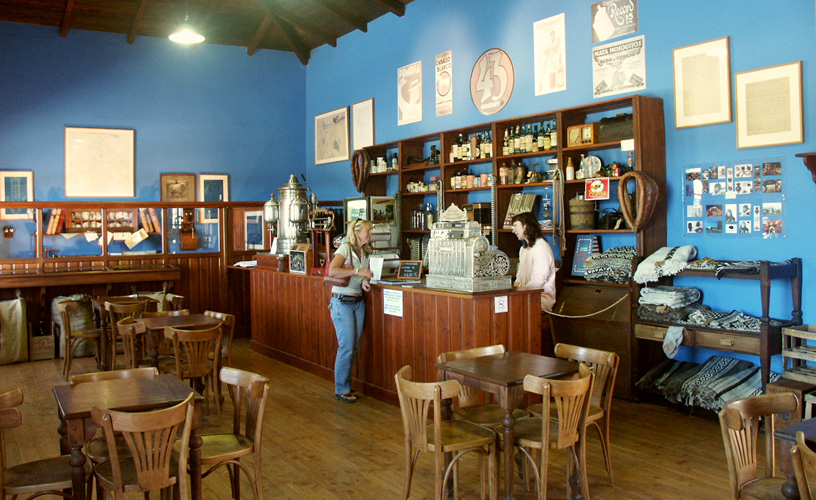
General store just like these venues looked like during the 1920s.
-
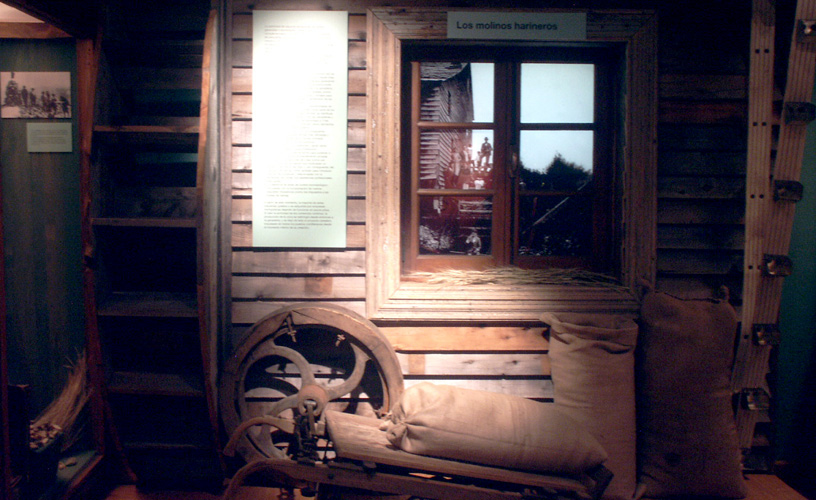
The past of Patagonia carved by the native people
-
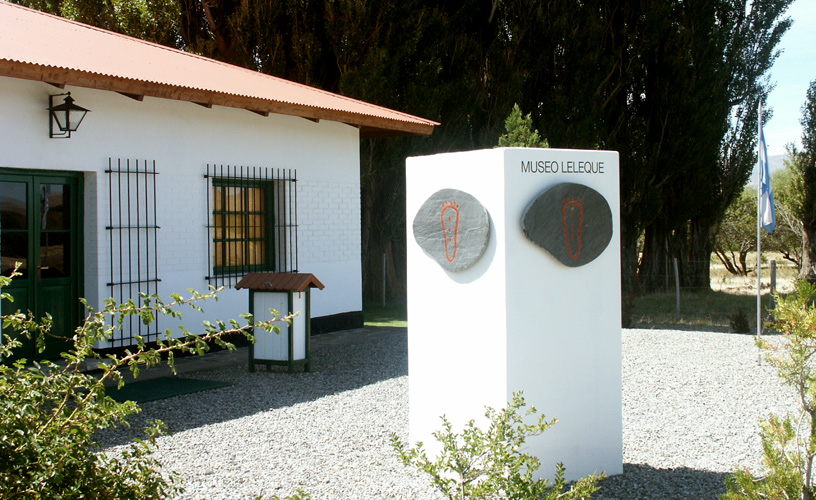
Ruta Nacional 40 km 1440
Dream facts reality
As Korchenewski had imagined it, the idea regained impetus and became a scientific and educational project. The museum was set in the rural environment of the Leleque Ranch owned by Mr. Benetton. It is named after a bush in the region and it comes from the southern Tehuelche tongue. The last battles between the Tehuelches and the national troops took place there in 1888. The museum, as requested by Casamiquela, keeps the historical value of the Tehuelche people. In the first room of the museum tribute is paid to the lifestyle and view of the Tehuelche people. It is called “The autochthonous peoples” and their lifestyle is recreated using an average size tent and rock pieces. Their customs can be seen through several utensils and weapons used for hunting. “The meeting of two worlds” is the name given to the following room. As indicated by its name, it shows the meeting with the first Europeans that reached the southern lands. The use of horses can be seen here, which allowed for changes in the way indigenous people moved about. The defeat of the original peoples is shown in the next room called "Towards a Sedentary Society". It is the time of the sheep industry, its trade and the conquest of the desert. “The Pioneers” shows documents referring to the immigrants coming from various ethnic and geographical backgrounds who settled down in Patagonia. It also shows their adaptation and later consolidation in the region. There was a reconstruction of a bar inside a general store just like these venues looked like during the 1920s. It represents rural life in which the beverages dealers, hardware stores and restaurants made a break on their tour around the extensive and lonely Argentinian Patagonia. At present, one can have a drink at the bar as visitors did in the past, apart from leafing through books and buying some southern crafts. Regardless of the time spent at the museum, it is worth a visit in order to have an idea of what life in those lands was like in the old days.  Karina Jozami
  Jorge González
Contact of the excursion or tour
Museo Leleque
Ruta Nacional 40 km 1440, Esquel, Chubut, Argentina
 Phone: +54 2945-452600
 Tour Kind: Regional Museum.
 Timetables: January and February from 11am to 7pm. March and December from 11am to 5pm. The venue is closed on Wednesdays and during May, June and September.
 90 km away from Esquel, take National Route 40 up to km 1440.
 Twitter X
 WhatsApp
 Facebook
 E-mail
 Copy Link