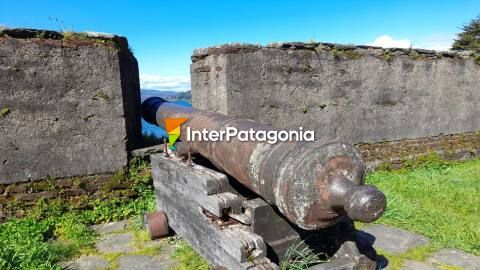
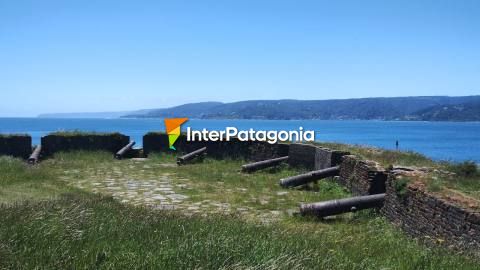
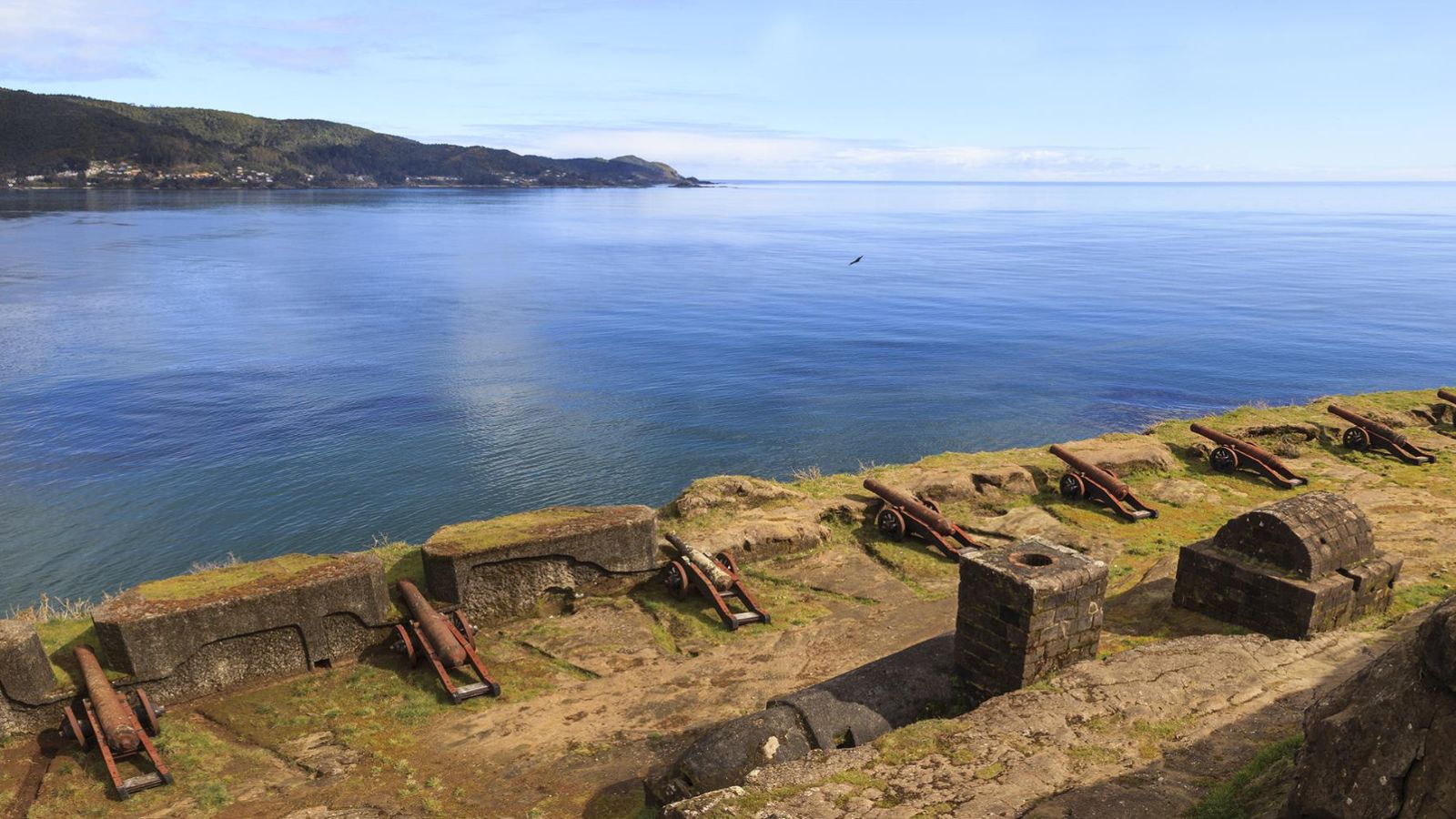
Valdivia becomes a vibrant destination, especially during the summer. The commune of Corral adds a historical touch to the experience. Its seaside resort in Niebla stands out not only for its picturesque beaches, but also for the imposing presence of Spanish forts and castles that were erected during colonial times. These historic structures, silent witnesses of times past, add a fascinating element to the tour, transporting visitors to a time when Valdivia was key in the defense of Hispanic possessions in the Pacific.
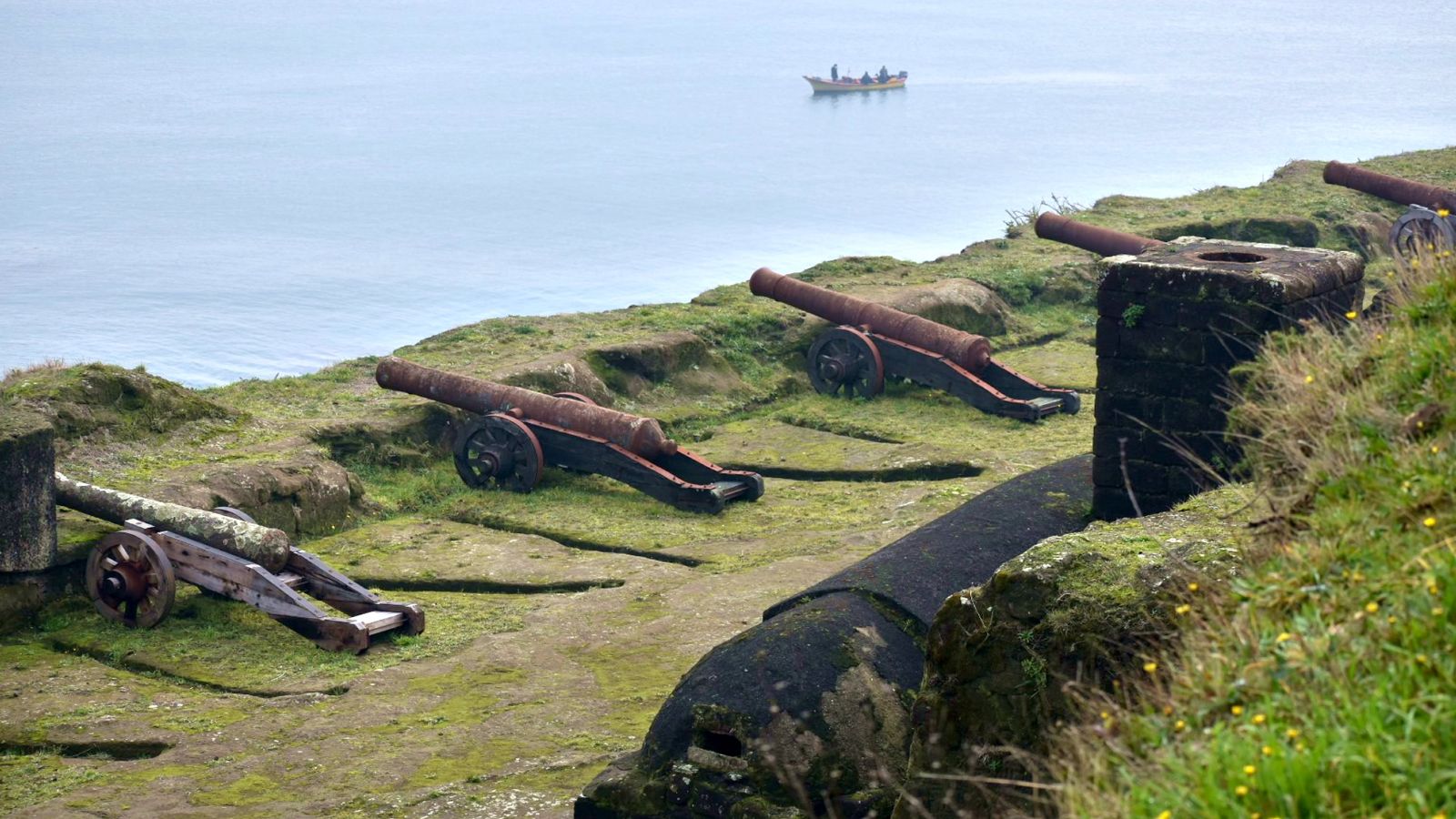
Bastion of Valdivia
In colonial times, Valdivia became an essential enclave for the defense of the monarchic positions in the South Sea. Pedro de Valdivia saw the strategic and security conditions offered by the region's extensive river system, formed by the Calle Calle, Cau Cau, Cruces and Ainilebu rivers (later renamed the Valdivia River), and founded the city in 1552.
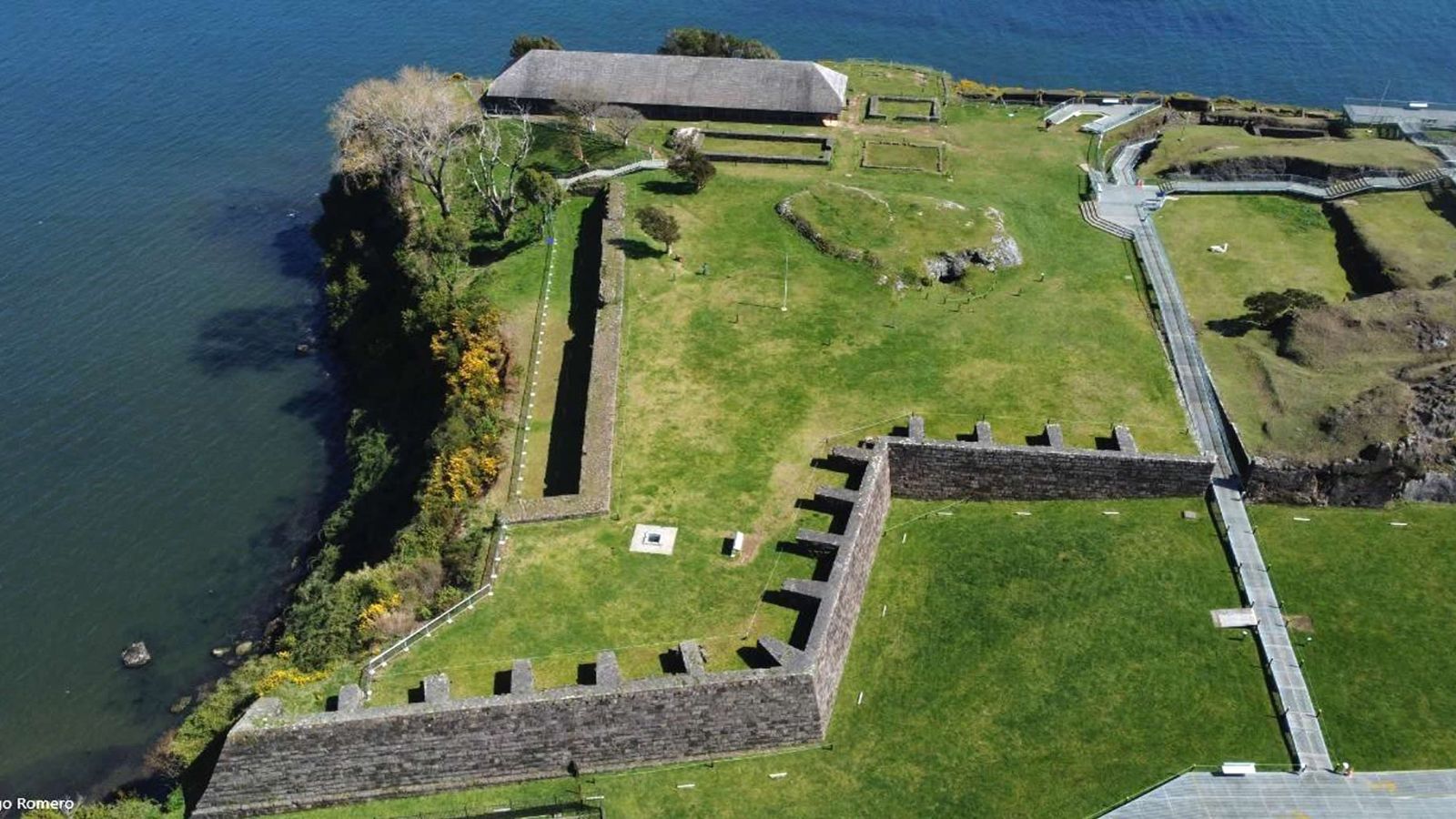
Despite inherent challenges, such as the hostility of the indigenous populations and the scarcity of resources, Valdivia managed to settle. After the earthquake of 1575 and forced abandonment in 1598 due to the Mapuche uprising, the town was repopulated in 1643 in response to the threat of an intrepid Dutch expedition. This brief occupation demonstrated the wealth of the estuary to the colonial powers. The crown, under Philip IV, responded by building a series of fortifications to safeguard the entrance to the Valdivia River estuary. The castles of Mancera, Corral, Niebla, Amargos and Cruces, and the fortresses of San Carlos and El Molino are today tourist attractions, but at the time they formed one of the largest defensive systems. In the 18th century, there were 17 bastions between castles, fortresses and batteries.
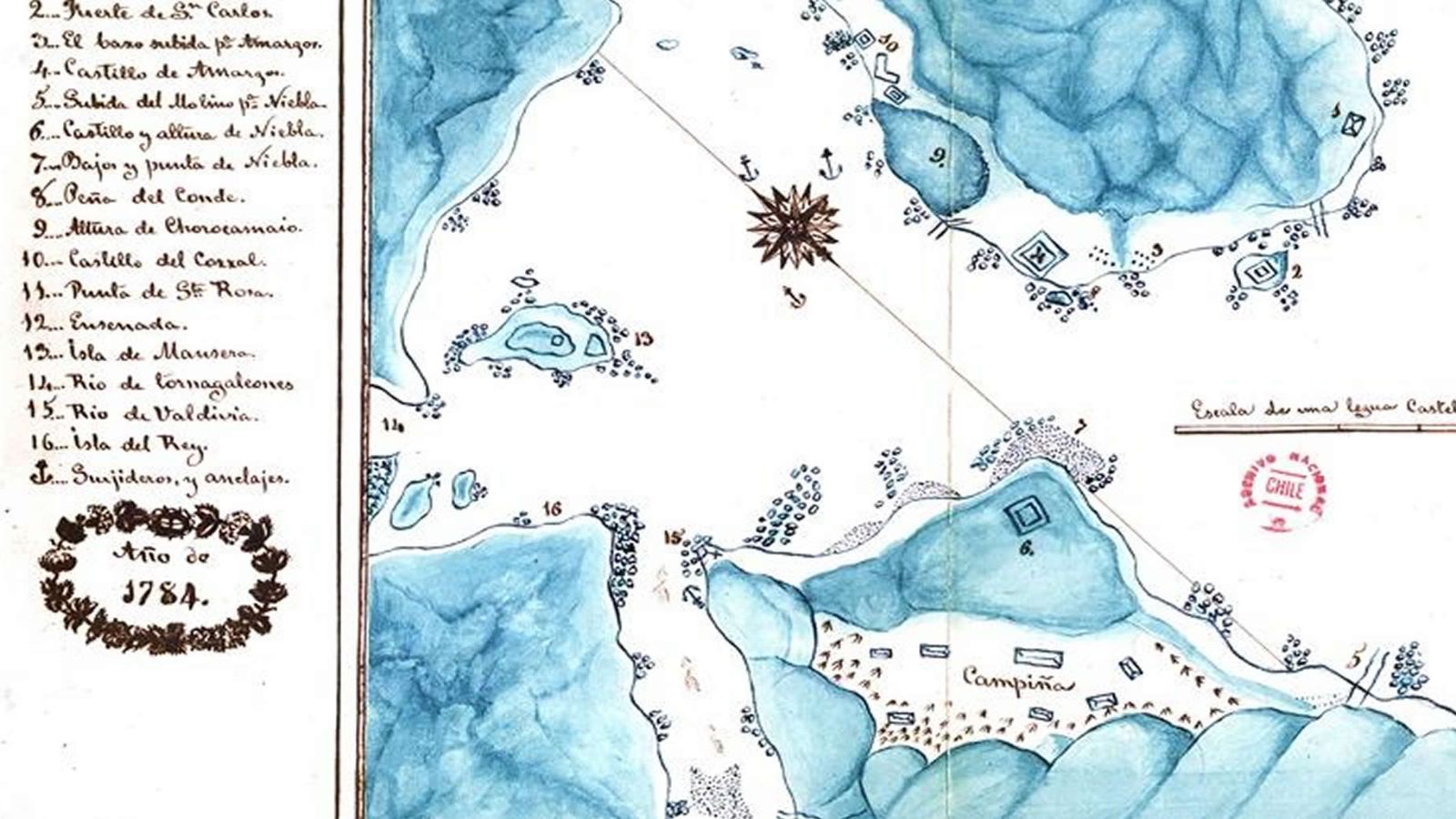
The defensive plan focused on Corral Bay, taking advantage of its exceptional qualities. Built with local and imported materials, these structures included walls, moats, cannons, and various internal outbuildings. The Valdivia bastion played a fundamental role during the colonial era by acting as a highly effective deterrent. In fact, it succeeded in thwarting and discouraging incursions by rival powers, serving as a defensive bulwark of great importance. In a paradoxical turn of events, its resistance would not be tested by European powers, but by independence patriots. These bastions withstood attacks and sieges, becoming the last Spanish enclaves during the War of Independence until, in 1820, patriot troops took the city.
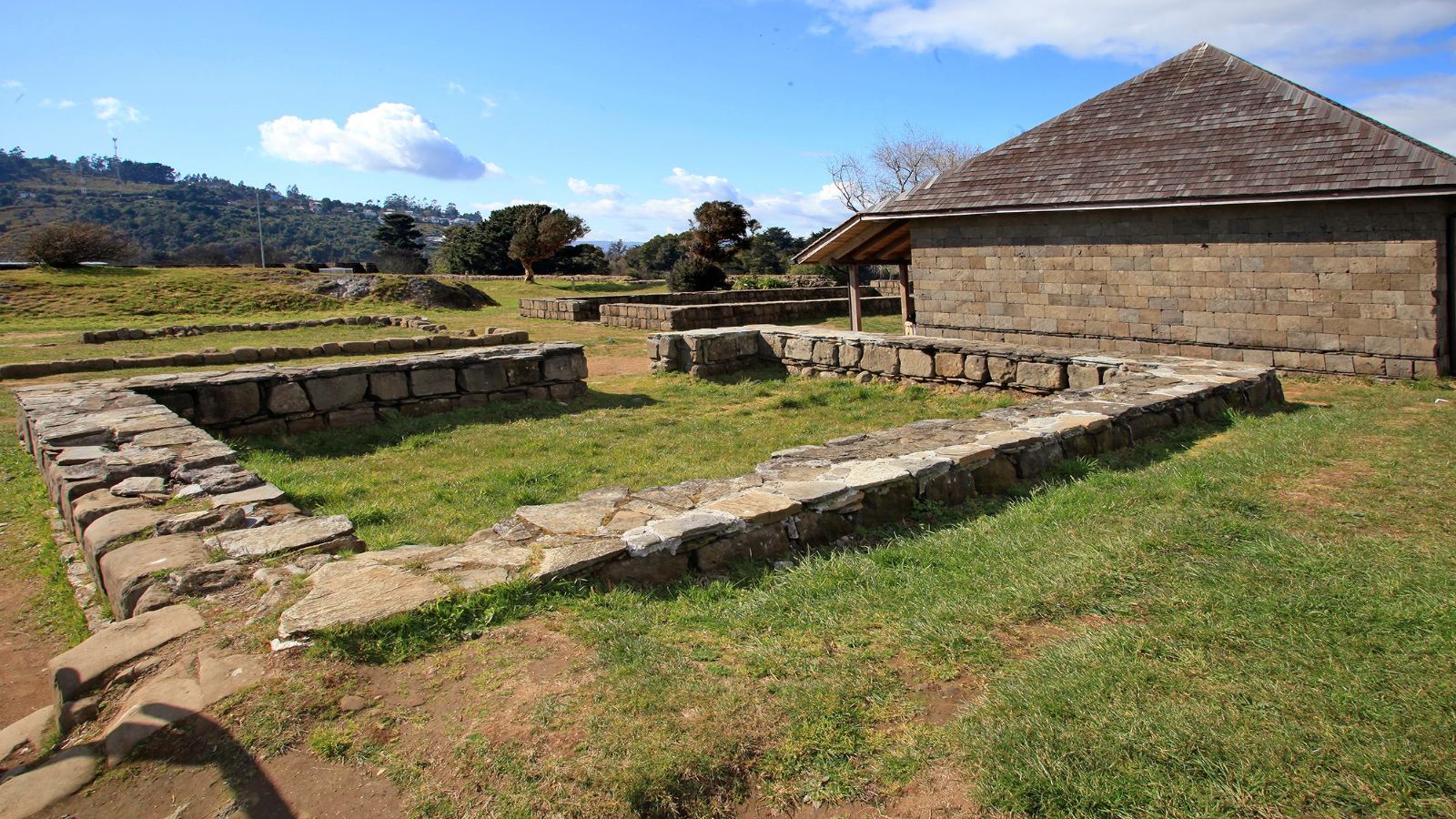
In the mid-twentieth century, Chile undertook a historical review. In this context, the first heritage protection laws were enacted, highlighting the fortifications of the south loaded with historical symbolism, an era marked by struggle and survival. The heritage value of the defensive works was recognized both for their magnificence and for their complexity and quality.
Today, some of these castles function as on-site museums, allowing visitors to explore their history and architecture.
 Miriam Coronel
  Interpatagonia.com
  Phone: +56 63-2282154
  Tour Kind: Historical
 Level of Difficulty: Low.
 Duration: 45 minutes in each fort.
 Timetables: In the summer, from November 1st to March 31st, from Tuesdays to Sundays, from 10am to 7pm. In the winter, from April 1st to October 31st, from Tuesdays to Sundays, from 10am to 5pm.
 Respect the signals and the directions given by the fort staff at all times.
 Twitter X
 WhatsApp
 Facebook
 E-mail
 Copy Link