




- Español
- English
Regional Museums
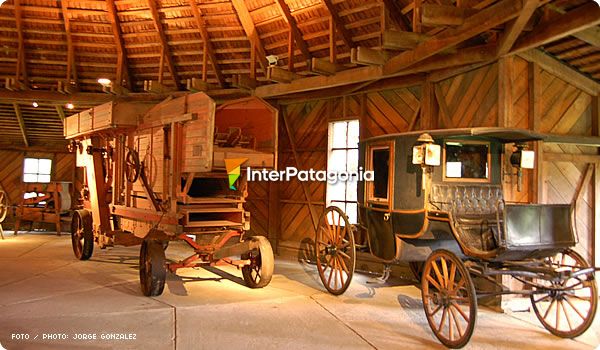
Visiting the Patagonian museums is a way of having a close link with the life, the customs and the natural environment of its communities.
Paleontology, archeology, history are some of the disciplines developed in these sections dedicated to witness the culture of the region.
Through each one of the corridors listed in the menu on the left, you can virtually access a wide range of sites, true invaluable refuges of the Patagonian identity. Because not only is a museum a look into the past; it is also a look into the inside.



 Casinos
Patagonia has a great deal of casinos distributed all throughout Argentina and Chile, and their modern halls let visitors enjoy games of chance such as roulette, slot machines, Black Jack, baccarat and dice. This section features the various casinos located in Patagonia. Discover each of them in the various regions presented in our website. Luck is waiting!
 Horseback Excursions
Those who wish to experiment something new may choose a horseback ride over mountains, amidst forests, along beaches or across streams with the whole family enjoying beautiful moments.
It is ideal to go on these excursions guided by the local experts and on docile Creole horses.
If you are going on a short excursion, it is not necessary that you can ride. A quick theoretical chat with the guide will be enough for you to get used to the reins.
© InterPatagonia 2002-2026 Total or partial reproduction forbidden. Derechos de Autor 675245 Ley 11723


