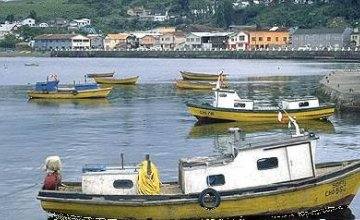
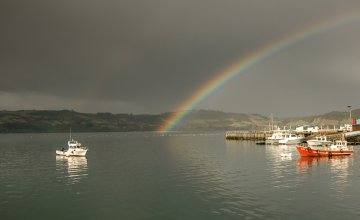
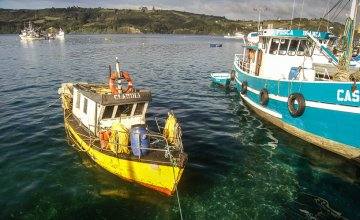
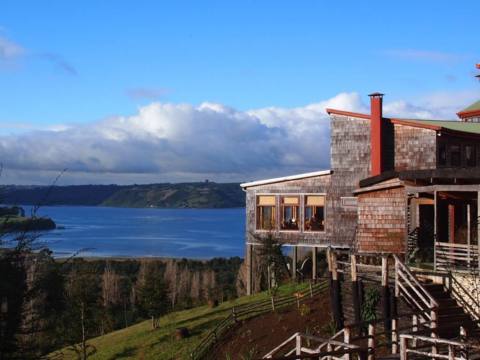
Chiloé is the largest island of the archipelago of the same name, in the Los Lagos Region of southern Chile. The Chacao Channel separates it from the mainland to the north; the Gulfs of Ancud and Corcovado lie to the east and the Pacific Ocean to the west. On InterPatagonia the island has three towns with their lodging, restaurants and tours: Ancud, Castro and Quellón. This page brings them all together.
Getting there
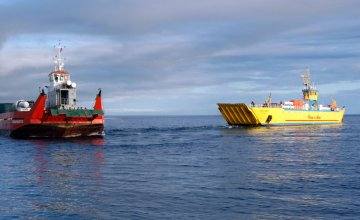
From Puerto Montt, the road goes on to Pargua, about 60 km away, where you board the ferry. Crossing the Chacao Channel takes about half an hour and lands you in Chacao, the northern gateway to the island. From the deck you can see the works of the bridge being built between both shores. From there the road continues to Ancud; Castro is 85 km further south, and Quellón 92 km beyond Castro.
Ancud and the Puñihuil penguins
Ancud was founded as a Spanish port and fort, and for centuries it was the island's main sea link with the mainland. To get to know it, walk along Baquedano Street to the Regional Museum, which keeps historical objects, mythological figures and Chilote handicrafts, climb to the Cerro Huaihuén viewpoint overlooking the Chacao Channel, and visit Fort San Antonio.
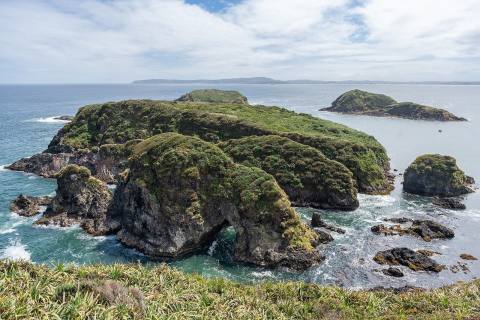
About 26 km away, on the Pacific coast, lies Puñihuil beach. Opposite, three islets make up the Puñihuil Islets Natural Monument, created in 1999 and managed by CONAF: it is the only known place where Humboldt and Magellanic penguins breed together. The visit is made by boat from the beach itself, takes about 30 minutes and there is no landing.
Castro, stilt houses and churches
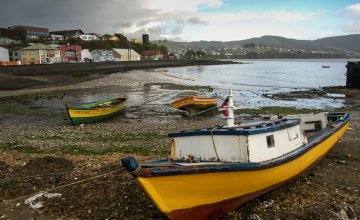
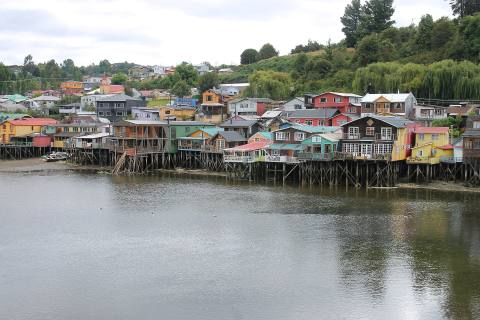
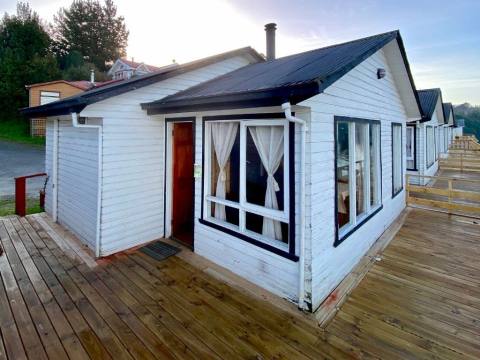
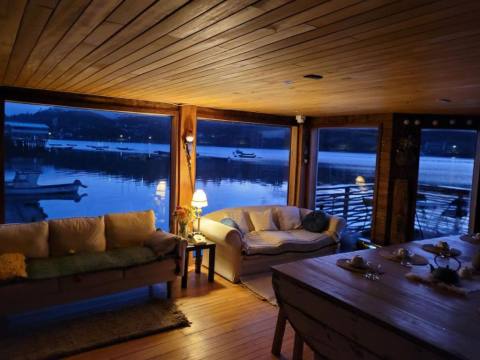
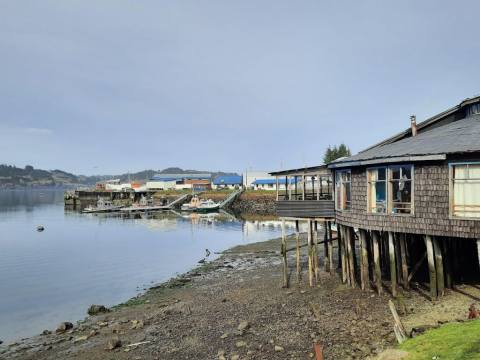
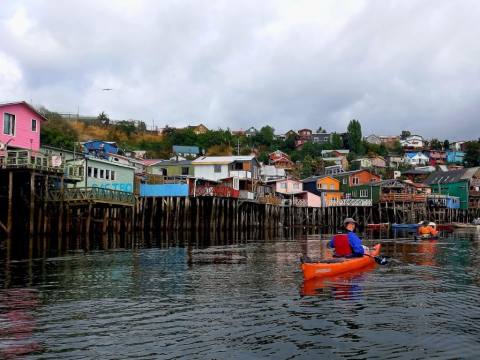
Castro, the capital of the Province of Chiloé, was founded in 1567 and is one of the oldest towns in Chile. Next to the Plaza de Armas stands the San Francisco Church, built entirely of wood and completed in 1912. Down by the shore are the palafitos, wooden houses with alerce shingles resting on stilts over the water: those still standing are in the Gamboa and Pedro Montt areas, and at high tide they seem to float. Near the pier is the crafts market and, uphill, the Farmers' Market.
About 60 wooden churches built since the 17th century by Jesuit and Franciscan missions still stand in the archipelago; 16 of them have been UNESCO World Heritage Sites since 2000. Those of Castro, Nercón, Rilán, Dalcahue, Achao, Tenaún and Chonchi are among them. In Dalcahue, on the channel facing Quinchao Island, the waterfront crafts market sells only products from Chiloé: woolen blankets and sweaters, and work in wood, leather and plant fibres.
The Pacific, curanto and the end of the Pan-American Highway
Chiloé National Park protects forests that keep their primeval character. It has two entrances: Chepu, to the north, near Ancud, and Cucao, on the Pacific, west of Chonchi. From Chonchi you can also cross to Lemuy Island.
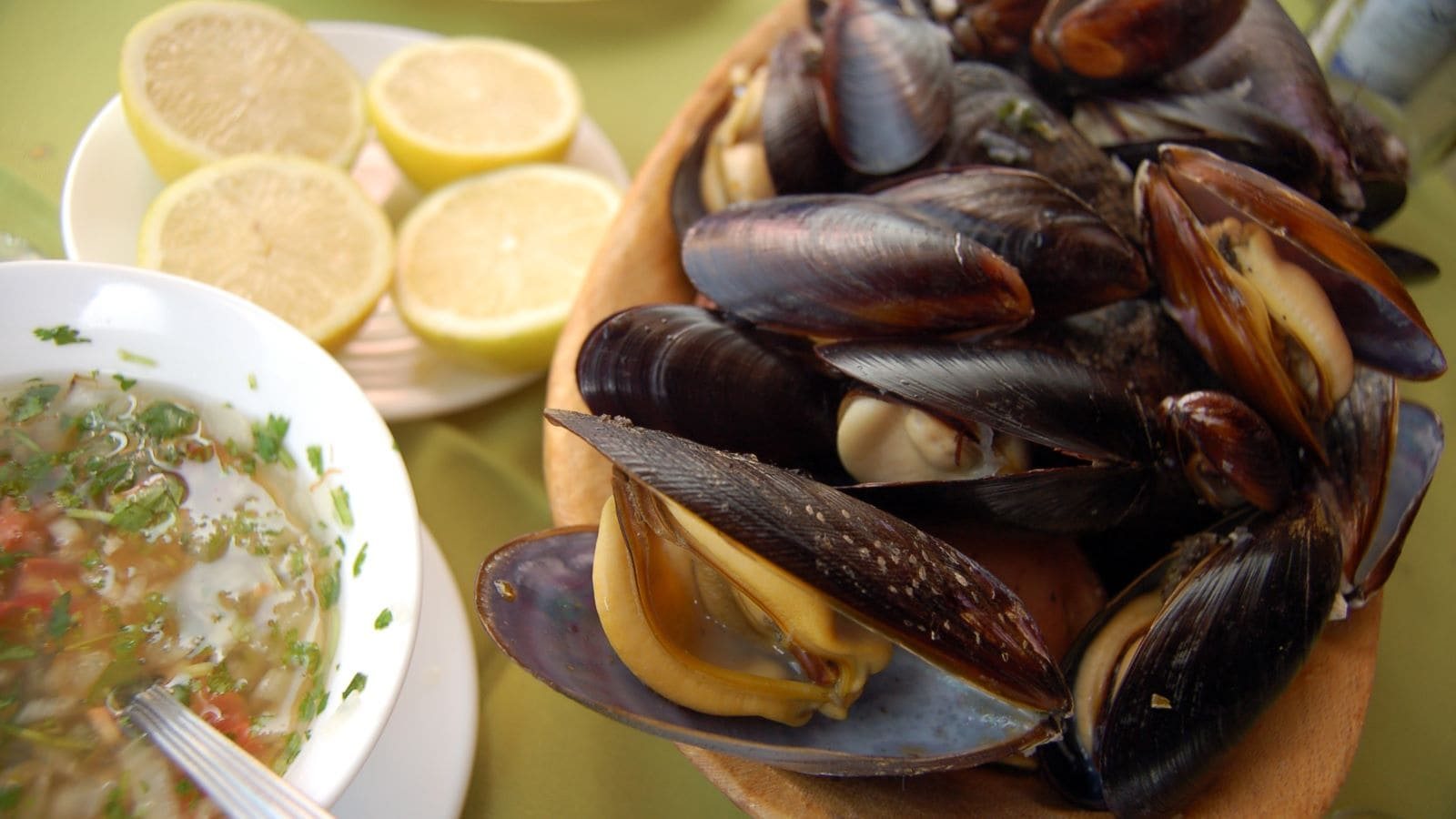
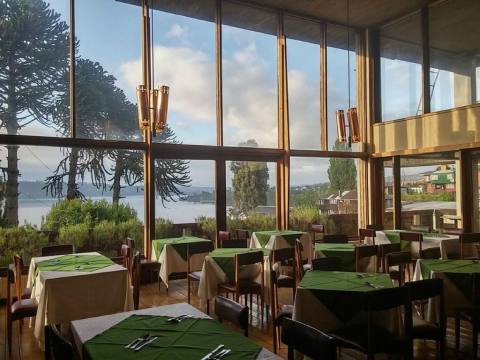
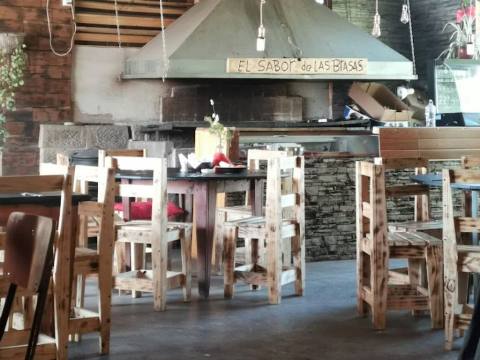
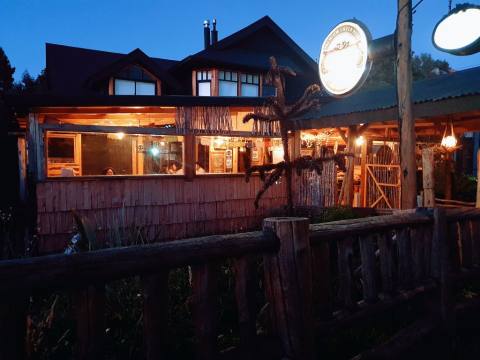
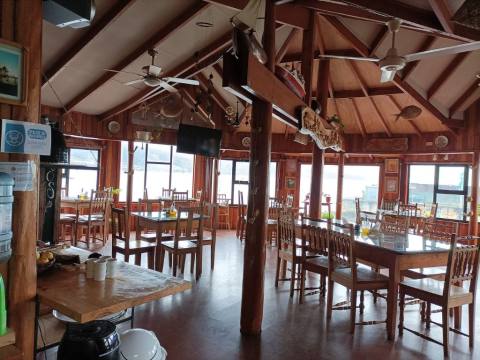
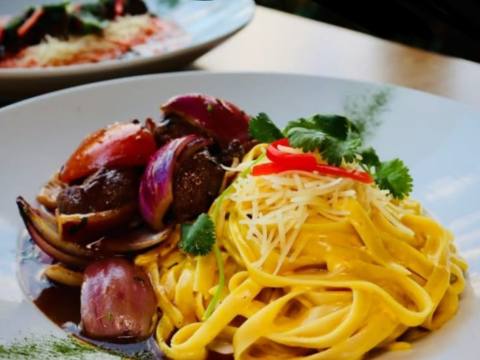
The island's signature dish is curanto al hoyo: seafood, meat and potatoes are cooked for hours in a pit with hot stones, covered with nalca leaves and earth. The restaurants over the sea in Castro and Ancud also serve smoked fish, cazuelas and seafood.
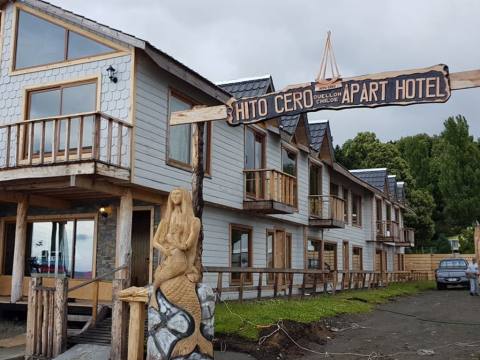
To the south, Quellón is where the Pan-American Highway begins: the Hito Cero marks the start of the road that runs across the continent to North America.
Sources
Notas de InterPatagonia sobre Castro, Ancud, Quellón, Puñihuil y el canal de Chacao · UNESCO, Iglesias de Chiloé (Patrimonio de la Humanidad, 2000) · CONAF, Monumento Natural Islotes de Puñihuil · Ubicaciones del mapa: OpenStreetMapPhotos: Foto: Sernatur; Foto: Eduardo Epifanio; Foto: Eduardo Epifanio; Foto: Eduardo Epifanio; Foto: Eduardo Epifanio; Foto: Eduardo Epifanio; Foto: Eduardo Epifanio; Foto: Eduardo Epifanio; Foto: Eduardo Epifanio; Foto: Secretaría de Turismo; Foto: Secretaría de Turismo; Foto: Eduardo Epifanio; Foto: Sernatur; Foto: Secretaría de Turismo