Outings and excursions · Puerto Varas
Chiloé from Puerto Varas: Castro and Dalcahue
Photos: Draceane · CC BY-SA 4.0 / Lin linao · CC BY-SA 3.0 / Draceane · CC BY-SA 4.0 (Wikimedia Commons)
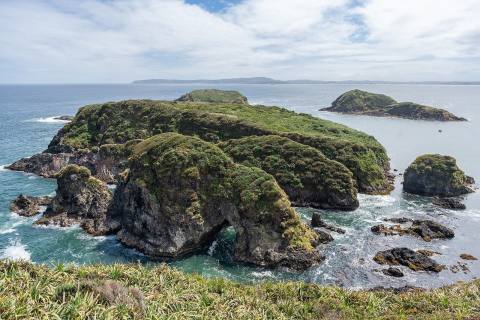
A day on the Big Island of Chiloé: the ferry across the Chacao Channel, Castro's stilt houses and Church of San Francisco, and Dalcahue's church and craft market.
From Puerto Varas, the road drops down to Puerto Montt and keeps heading south to Pargua, a small fishing settlement 56 kilometres from Puerto Montt where Chile's unbroken coastline ends and the archipelagos begin. This is where you wait for the ferry. Across roughly 3 kilometres of water lies Chacao, the northern gateway to the Big Island of Chiloé.
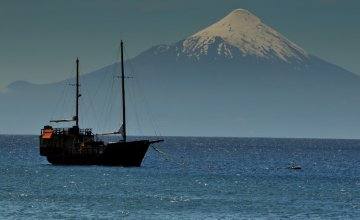
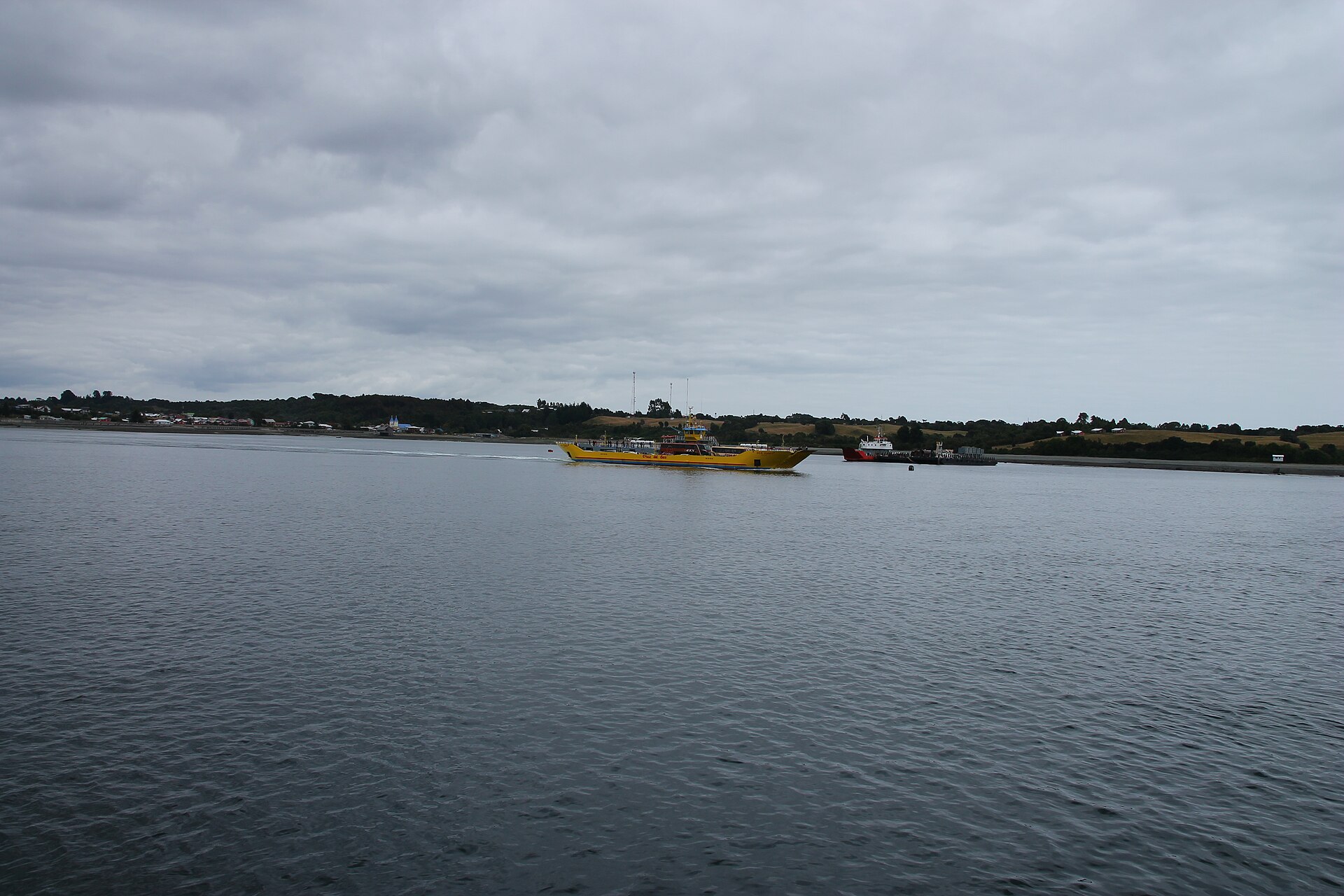
The crossing is short but never dull. The Chacao Channel links the Gulf of Ancud with the Pacific, and its tides run hard: flood currents have been measured at 4 to 5 metres per second. From the deck you can watch work on the bridge being built between the two shores while the island draws closer, with its green hills and shingled houses.

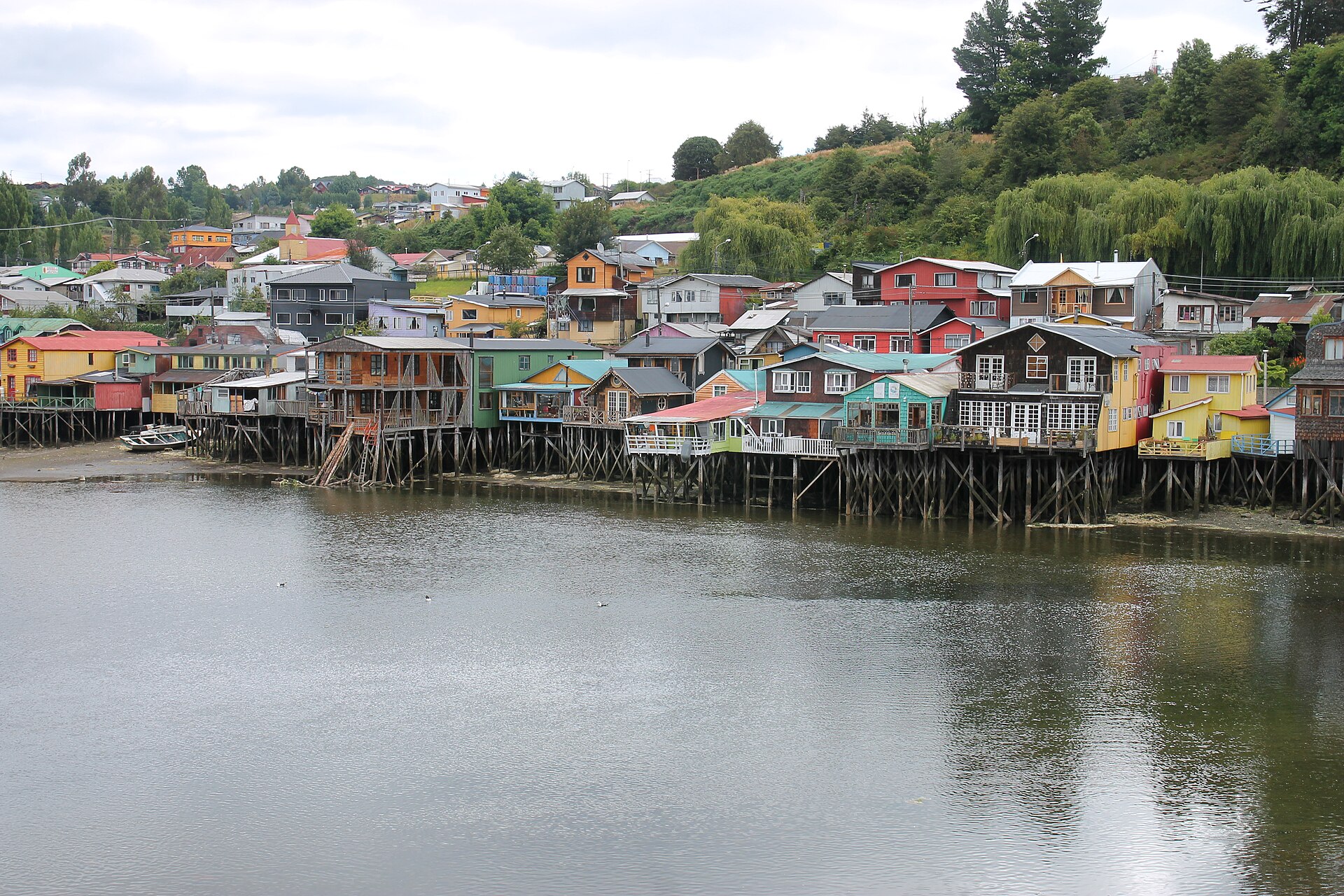
Castro, capital of Chiloé Province, was founded in 1567 and is one of the oldest continuously inhabited cities in Chile. Beside the main square stands the Church of San Francisco, designed by Italian architect Eduardo Provasoli and completed in 1912, built entirely of wood with 42-metre towers. Down by the water are the palafitos, colourful houses perched on wooden stilts over the sea; the ones still standing are in the Gamboa and Pedro Montt neighbourhoods, and at high tide they seem to float.
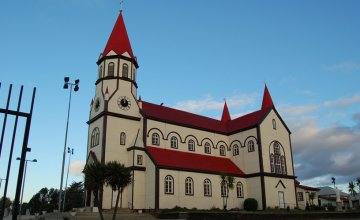
Heading back north, Dalcahue faces the channel of the same name and Quinchao Island. Its name comes from Mapudungun and means "place of dalcas", the plank boats used by the Chono seafarers. On the square stands the Church of Our Lady of Sorrows, with its arched portico and a 26.5-metre tower, and on the waterfront is the craft market, which sells only goods made in Chiloé: wool blankets and sweaters, and work in wood, leather and plant fibres.
Both churches belong to the group of sixteen wooden churches of Chiloé listed as a UNESCO World Heritage Site since 2000. They are built of alerce, Guaitecas cypress, coigüe and mañío, using joints and wooden pegs inherited from the island's shipbuilding tradition.
- Tour type: Cultural and sightseeing
- Difficulty level: Easy
- Tip: Look at Castro's palafitos from the opposite shore to get the full picture, and save time for the Dalcahue craft market before heading back: it is a long day, with two channel crossings.