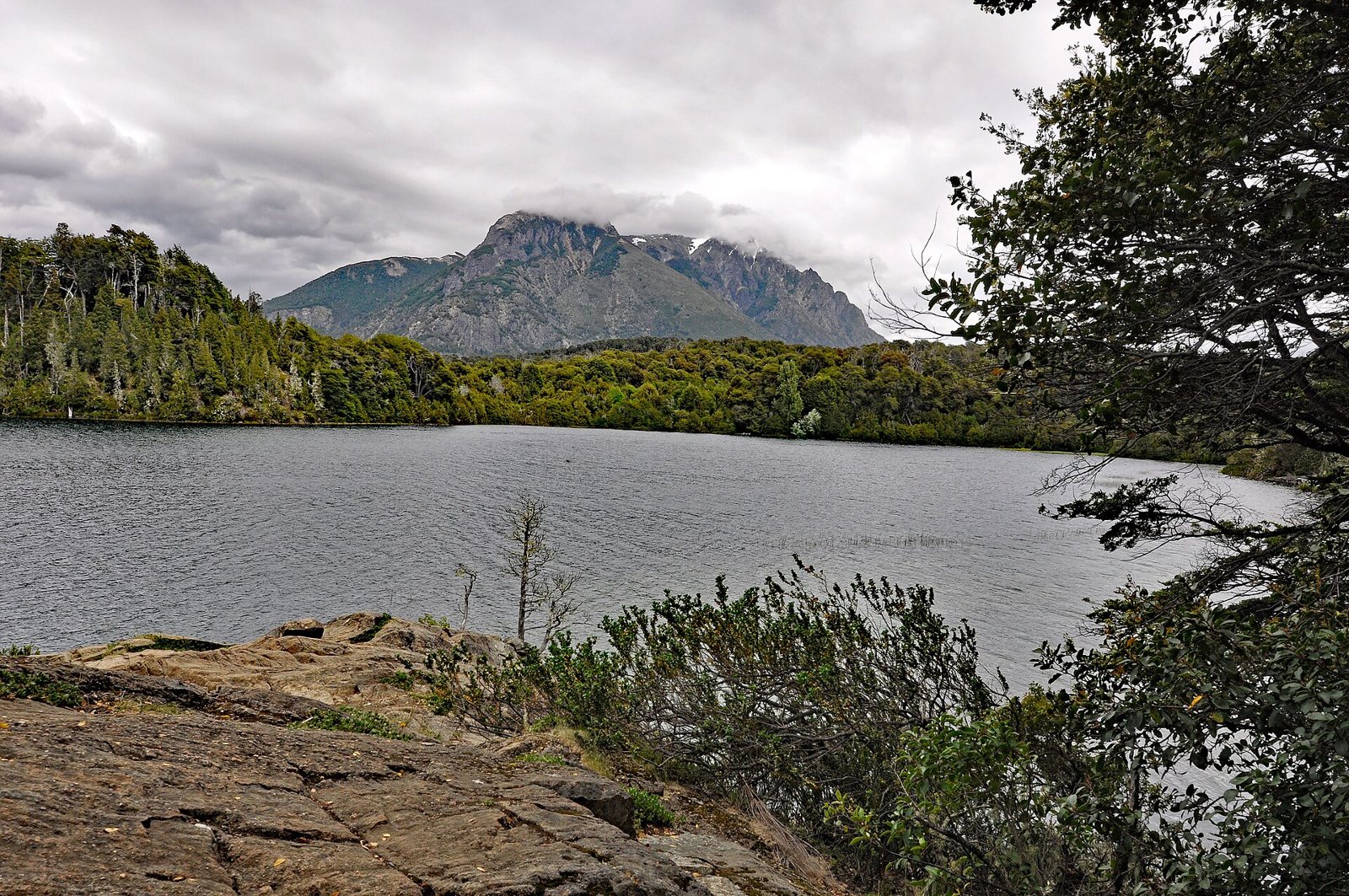
The Circuito Chico is Bariloche's most traditional route: a paved drive of about 60 kilometres that leaves the city centre and returns to it, bringing forests, lakes and mountains together in a single landscape. It follows Exequiel Bustillo Avenue along the southern shore of Lake Nahuel Huapi to the Llao Llao area, and comes back along Provincial Route 77, which is part of the circuit and meets Bustillo Avenue at the roundabout at kilometre 18.
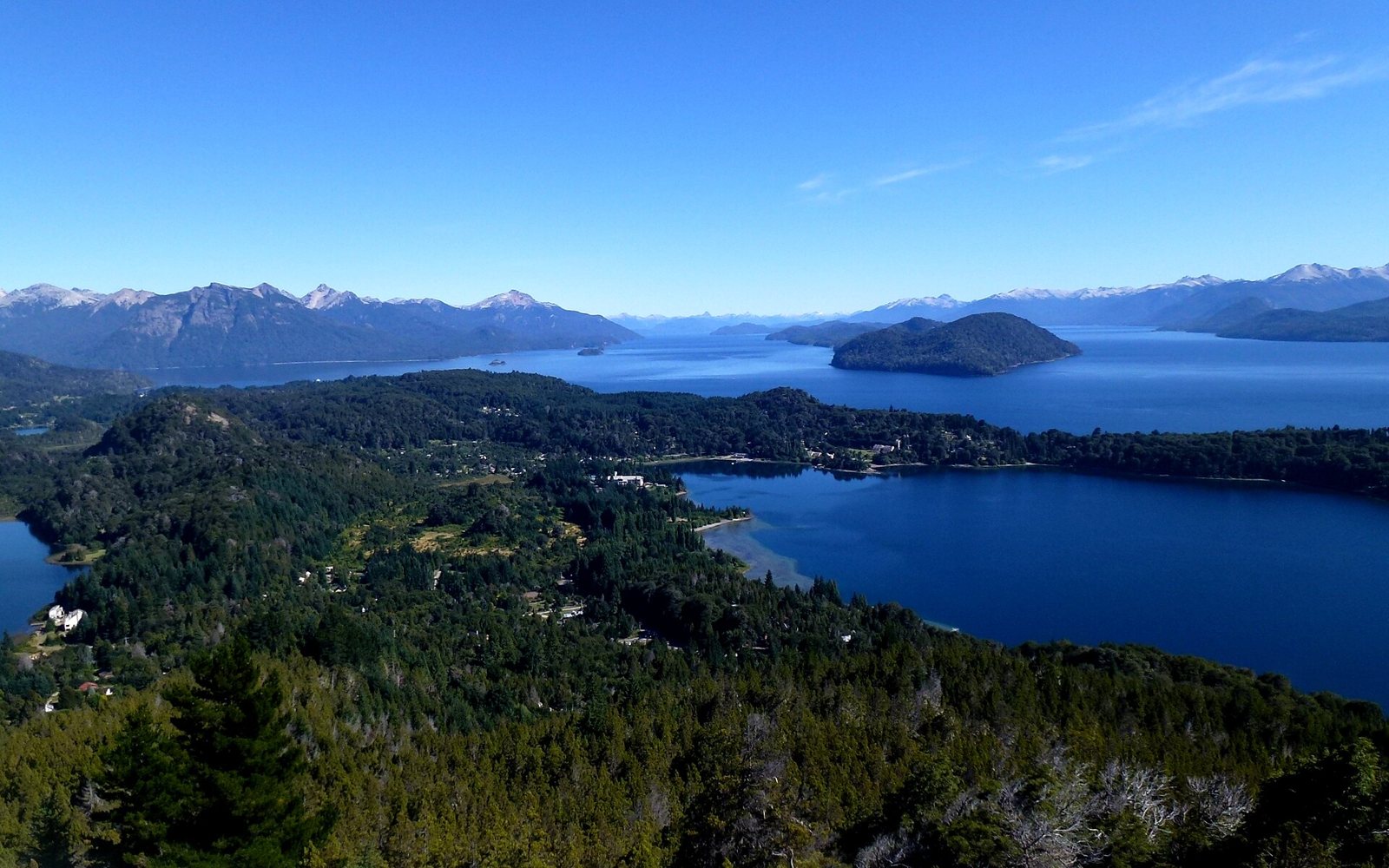
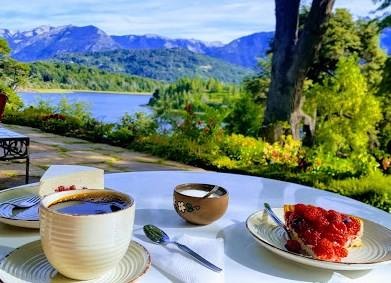
At kilometre 17.5 of Bustillo Avenue is the base of Cerro Campanario. You can reach the summit, at about 1,050 metres above sea level, by chairlift in around 7 minutes or on foot in about half an hour along a trail through the forest. Its viewpoints look out over lakes Nahuel Huapi and Moreno, El Trébol lagoon, the San Pedro peninsula, Victoria Island, the Otto, López, Catedral and Capilla hills, the Llao Llao hotel and the groves of Colonia Suiza, and there is a café at the top.
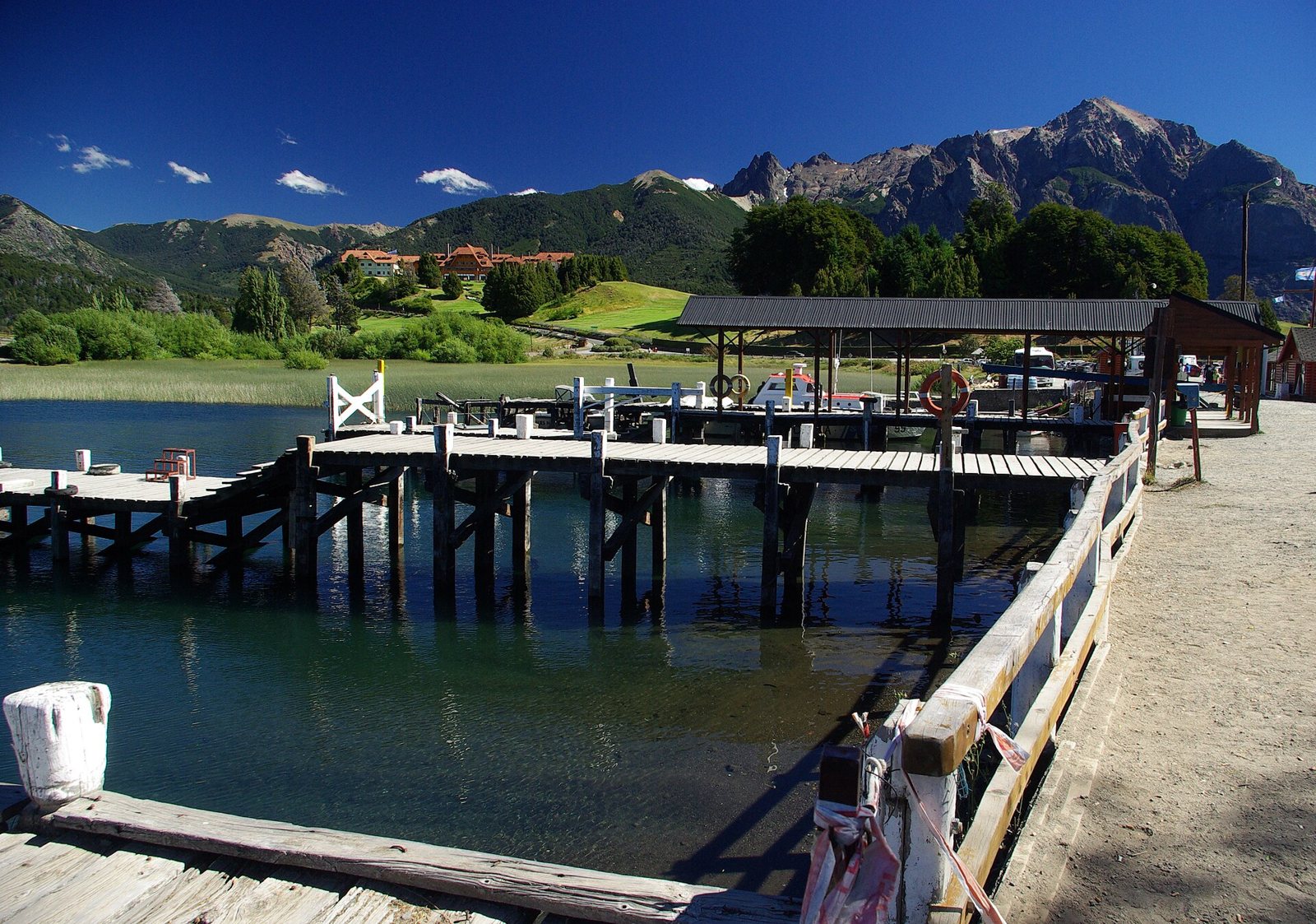
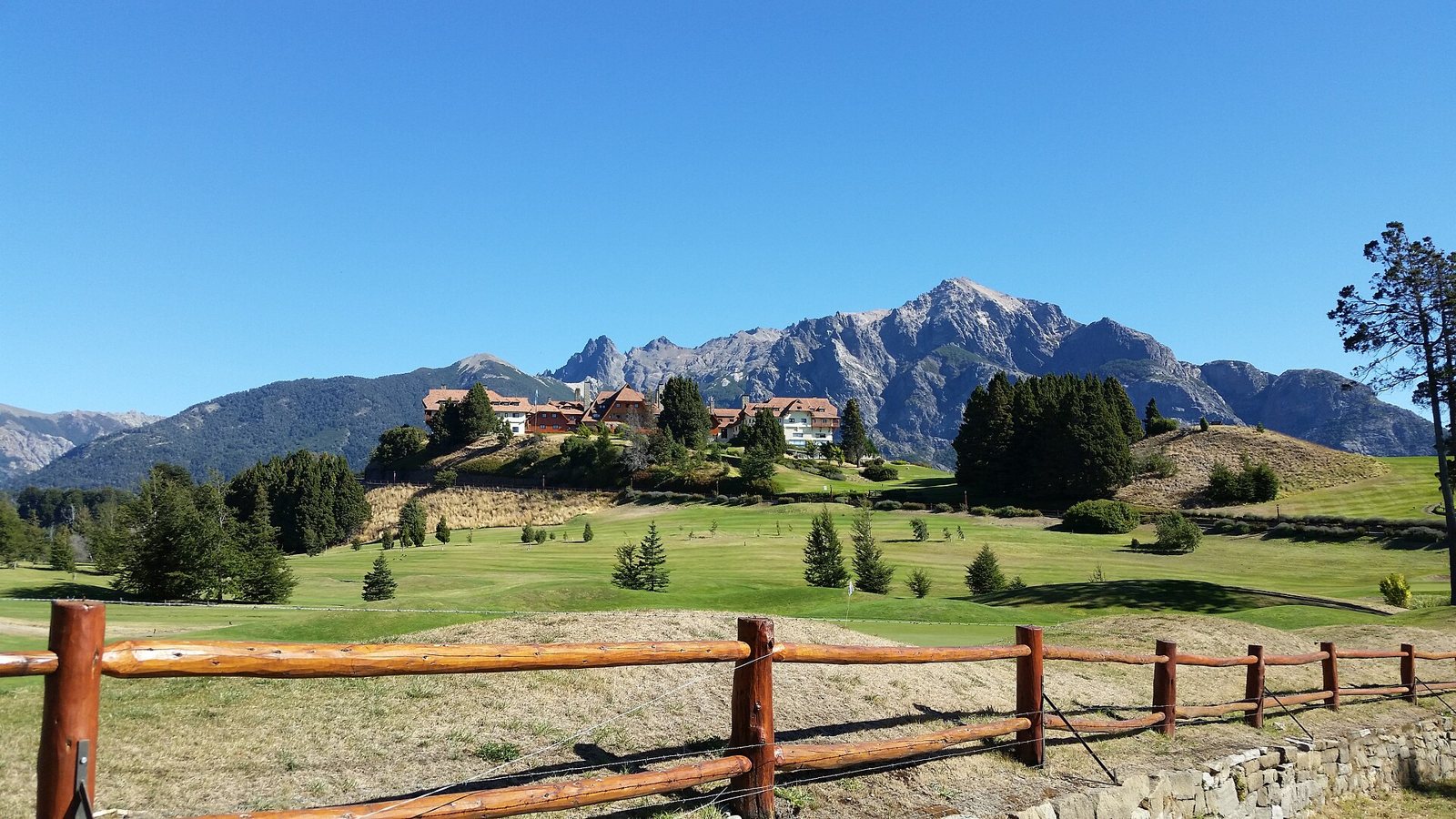
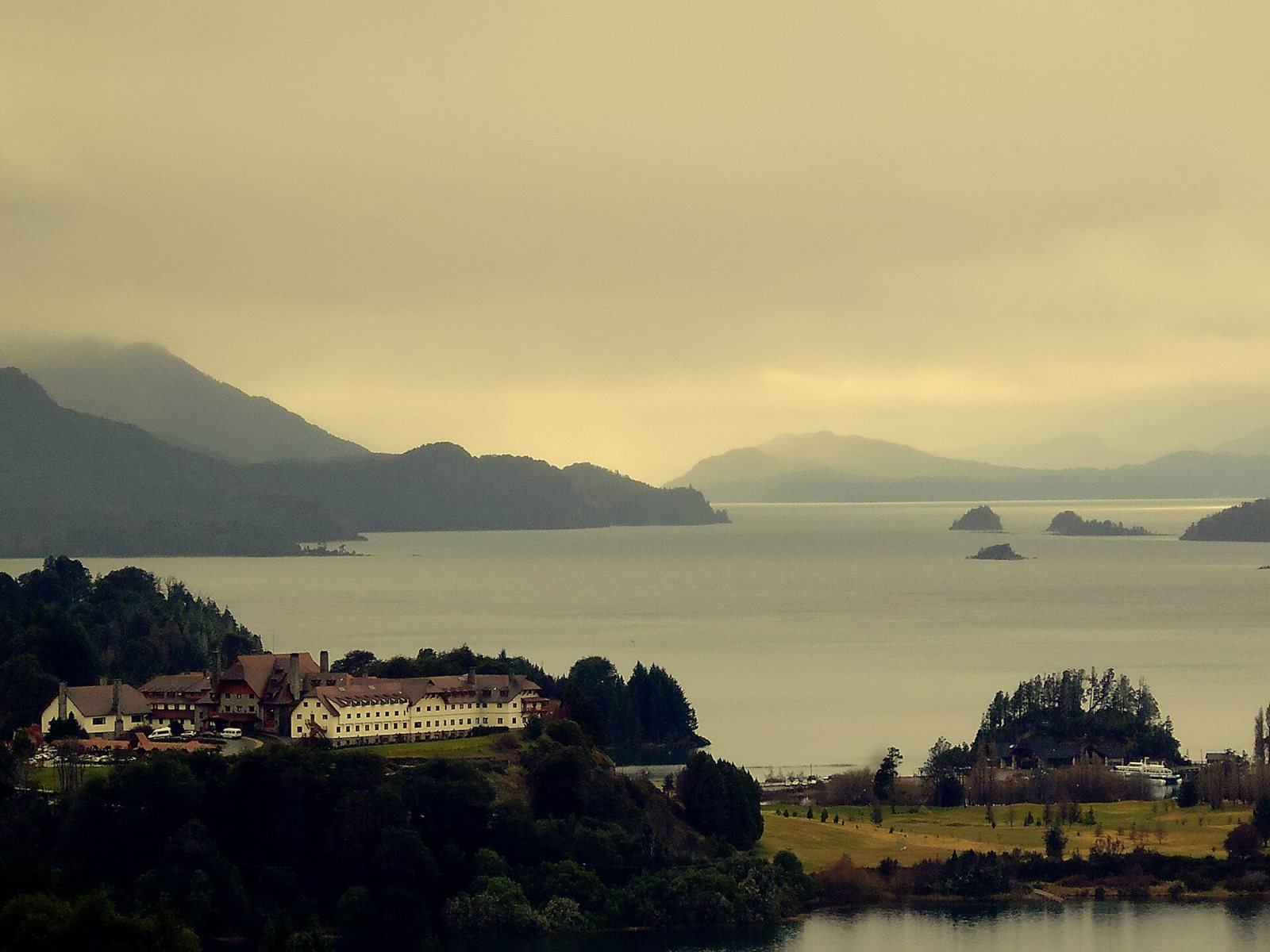
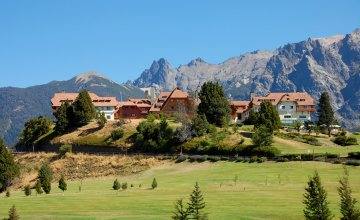
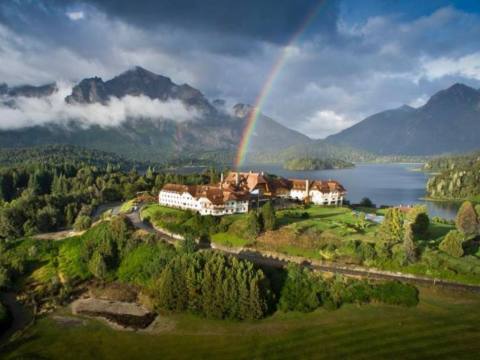
Around kilometre 20, next to the Club Regatas, the road leads into the San Pedro peninsula and Puerto Bueno, with its viewpoint. At kilometre 23 you reach Villa Llao Llao: here are the Llao Llao Hotel, the Llao Llao Municipal Park, the San Eduardo chapel and Puerto Pañuelo, the starting point of the lake excursions to Victoria Island, the Arrayanes forest and Puerto Blest.
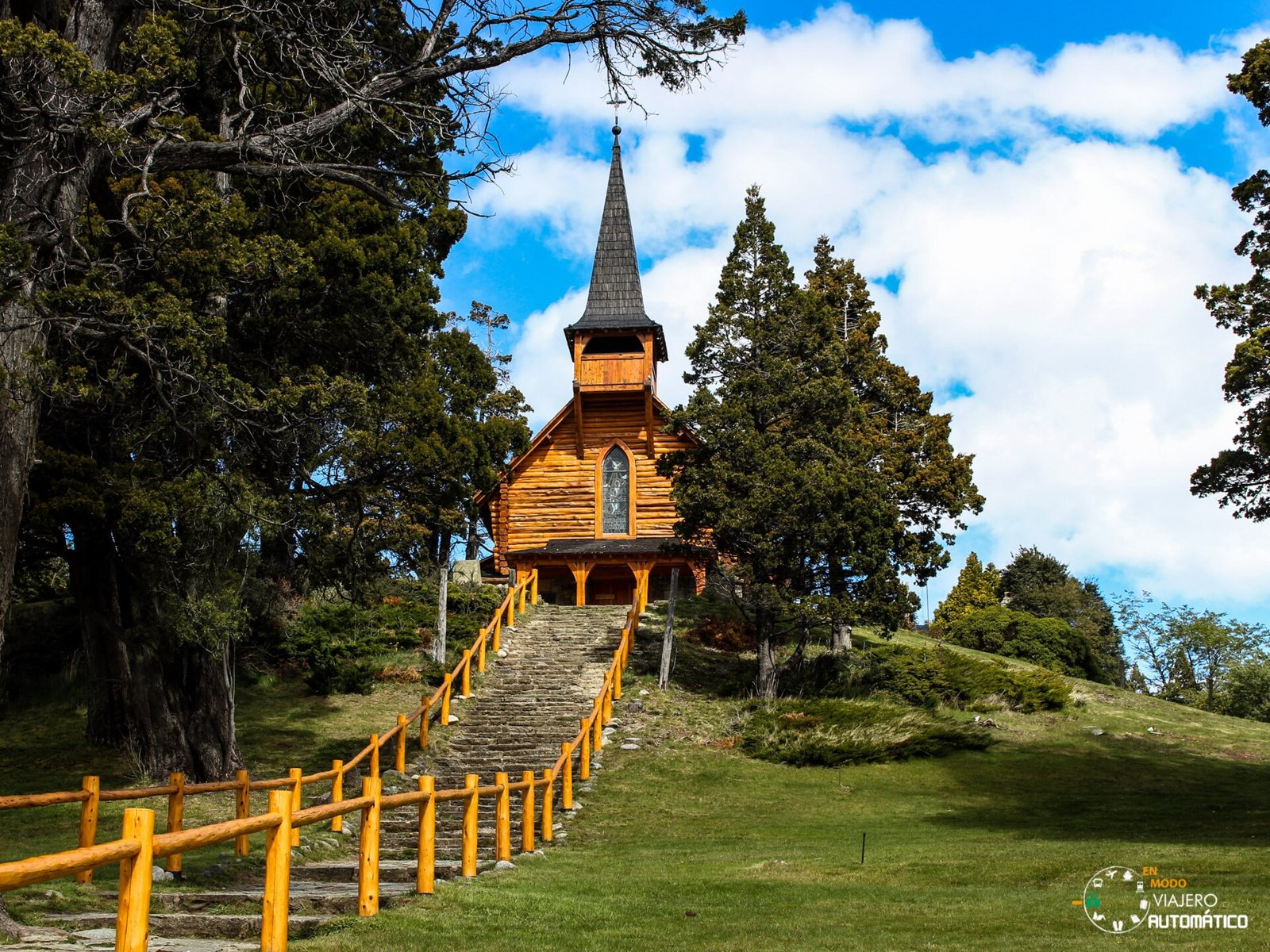
The hotel was designed by architect Alejandro Bustillo and opened in January 1938. In October 1939 a fire destroyed almost all of it; it reopened on 15 December 1940, rebuilt in masonry with a reinforced-concrete structure and a stone base, with wood kept for cladding and roofs. The San Eduardo chapel, also by Bustillo, was built in 1938 in a mountain style with neo-Gothic features, on a gentle rise about 300 metres from the hotel and Puerto Pañuelo. In 1973 the painter Raúl Soldi adorned it with the frieze "Retablo", which illustrates scenes from the life of Saint Edward the Confessor.
The road then heads into the Llao Llao peninsula. At kilometre 30 a road branches off to Villa Tacul, on Llao Llao bay, and further on lies Lago Escondido. At kilometre 33 the route crosses the bridge over the Angostura stream, where a detour leads to Bahía López, overlooked by the rocky walls of the López and Capilla hills.
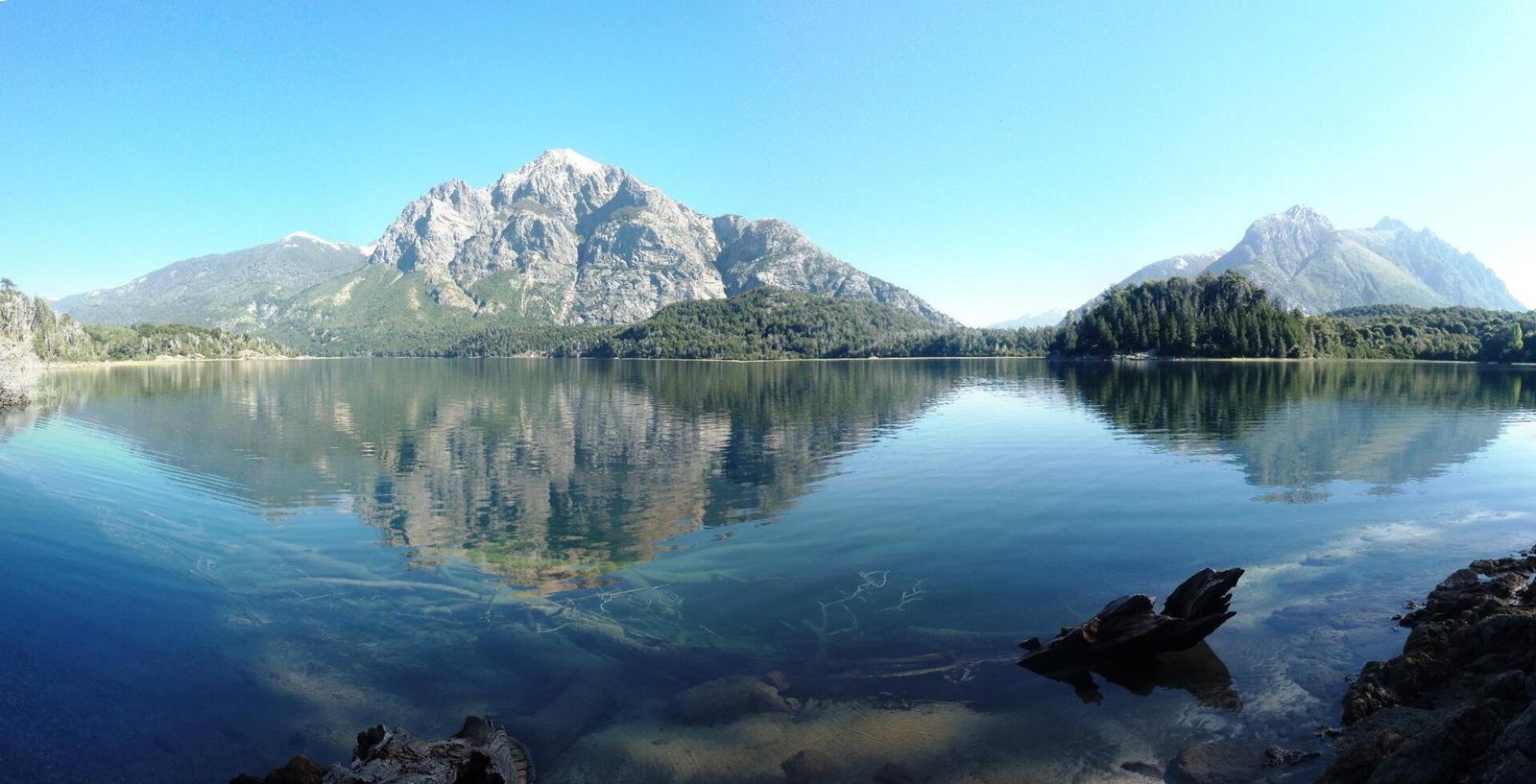
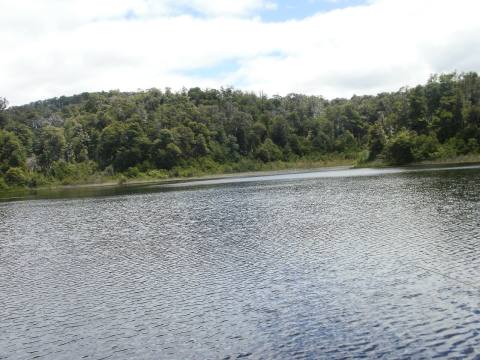
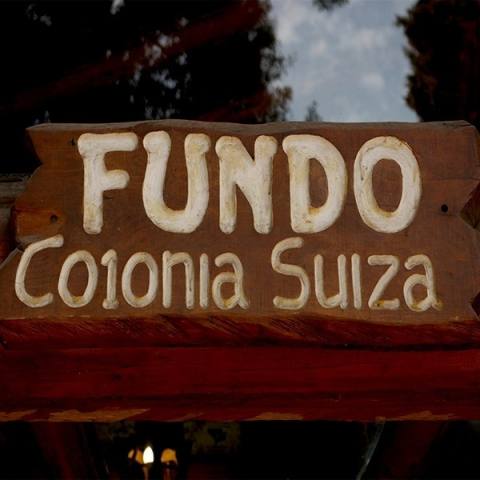
Further along there is another panoramic point, 945 metres above sea level, with a sweeping view of Lake Moreno and the Llao Llao peninsula. Lake Moreno, of glacial origin, is divided into two halves, West and East, linked by a bridge on the circuit; from there you can take a detour to Colonia Suiza, with its farms, campsites and tea houses. The road then returns to Bustillo Avenue and back to the centre.
With a tour booked through an authorised travel agency the trip takes between 3½ and 4 hours; on your own it can take a whole day. It can be done all year round and is suitable for everyone. By bus, Mi Bus line 20 links the bus terminal and the centre with Llao Llao along Bustillo Avenue, and lines 10 and 13 go to Colonia Suiza.
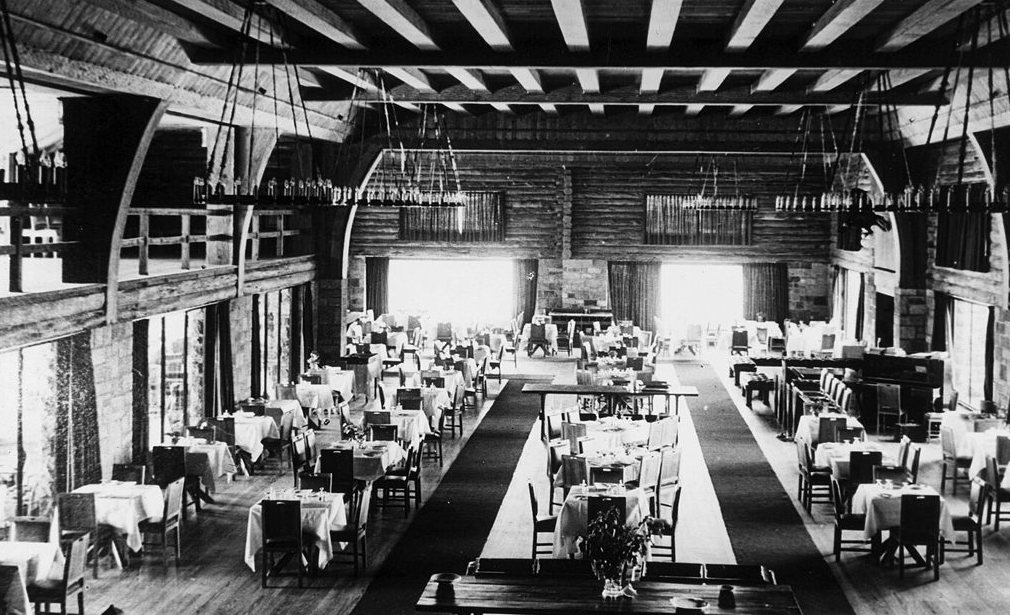
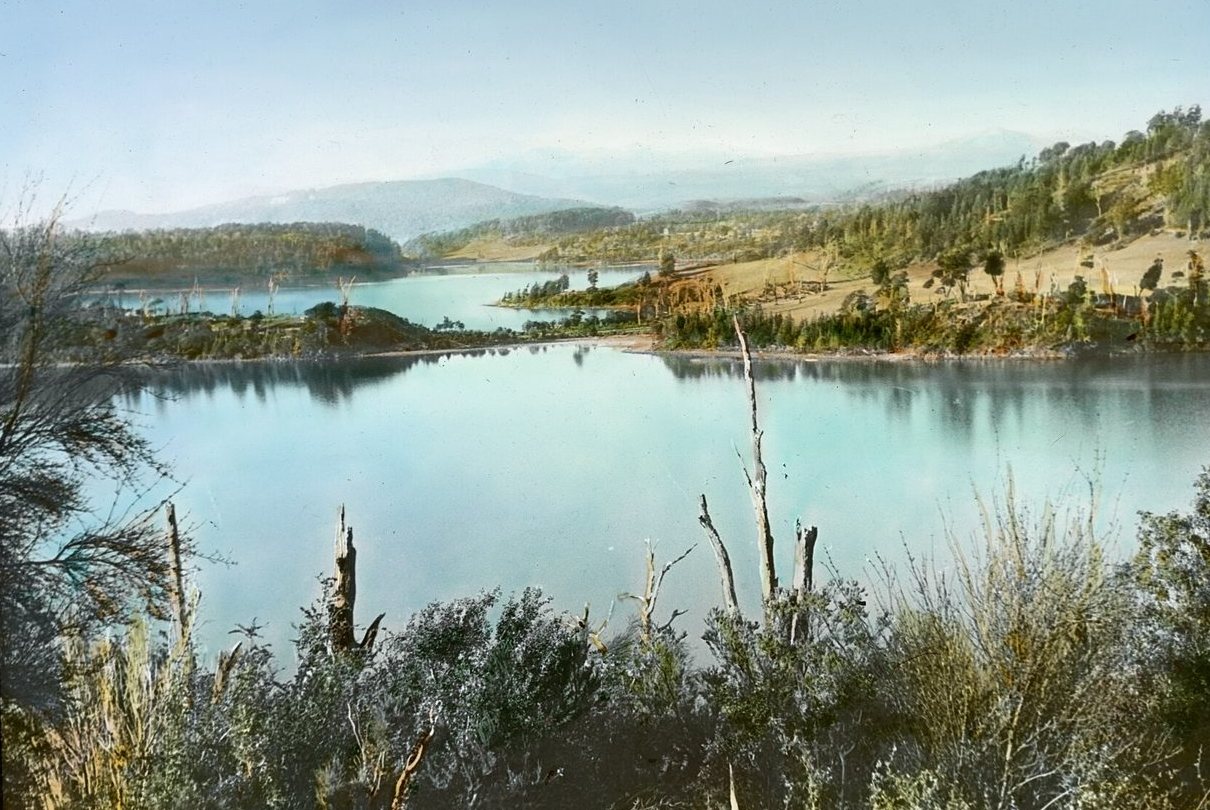
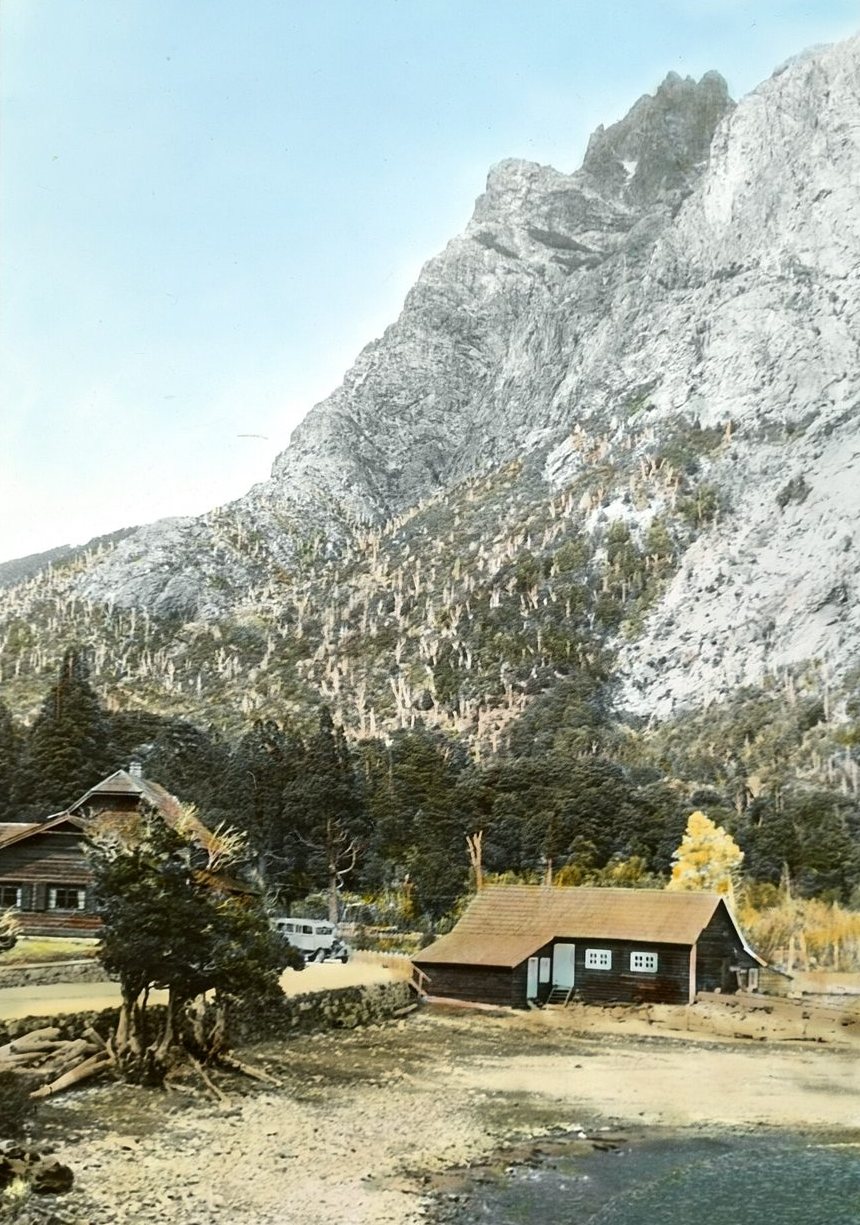
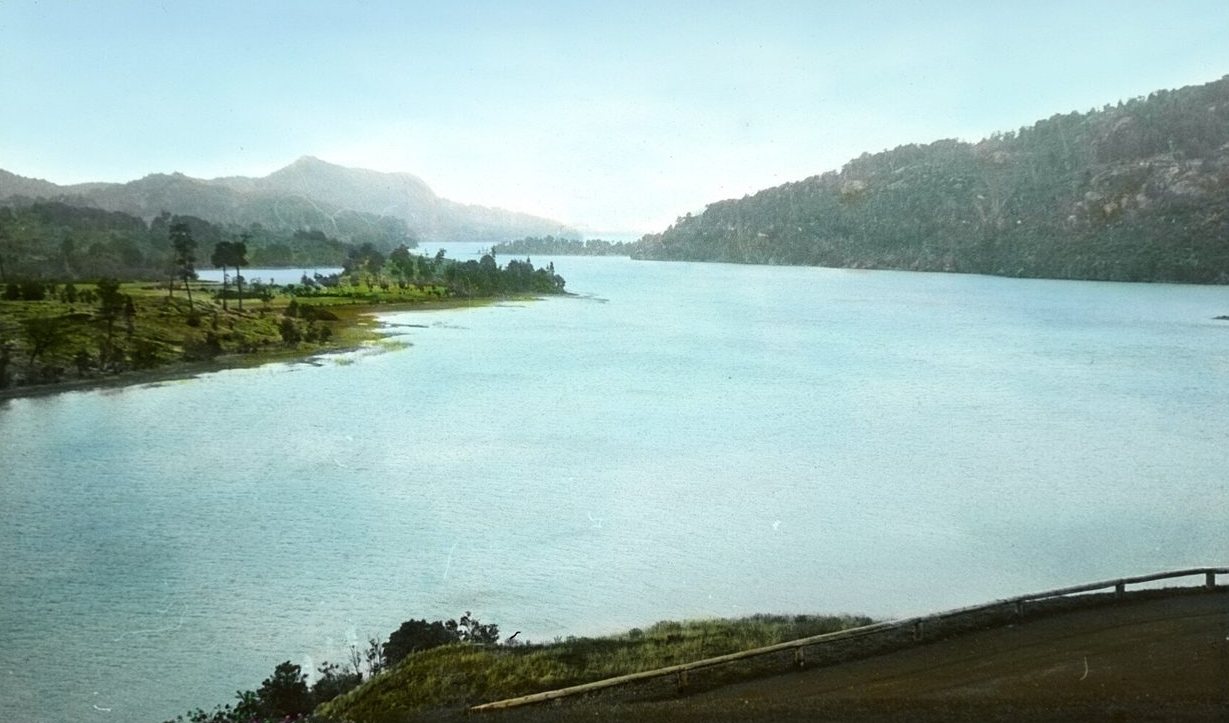
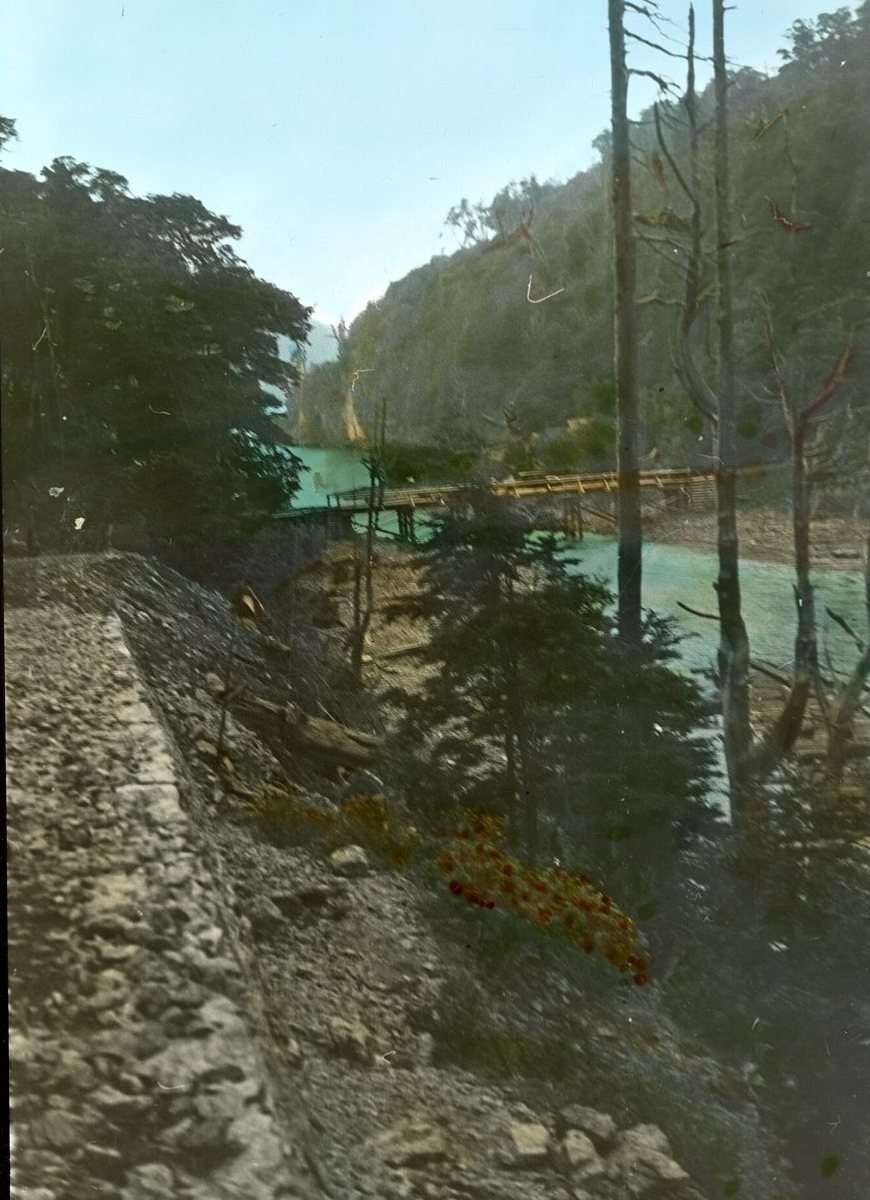
Circuito Chico in old photos

Sources and credits
Sources: Bariloche Turismo (Ente Mixto / Emprotur), «Circuito Chico» · Bariloche Turismo, «Cerro Campanario» · Bariloche Turismo, «Lugares de interés» (Capilla San Eduardo) · Bariloche Turismo, «Lago Moreno» · Bariloche Turismo, «Transporte público» (líneas 10, 13 y 20 de Mi Bus) · Vialidad Rionegrina, «Vialidad Rionegrina inició el desmalezamiento del Circuito Chico de Bariloche» (18/02/2014) · Vialidad Rionegrina, «Vialidad Rionegrina señaliza el Circuito Chico en Bariloche» (18/04/2017) · Paz García Pastormerlo, «“Fue como descubrir un brillante”. Así resurgió el Hotel Llao Llao, símbolo de la aristocracia argentina», La Nación, 28/12/2022 · Diario Río Negro (Redacción), «Camino al centenario: El incendio que destruyó el Llao Llao», 21/10/2001 · Wikipedia, «Hotel Llao Llao» (cita a La Nación y a Lolich, L., Hotel Llao Llao a través del tiempo, 2003) · Wikipedia, «Capilla San Eduardo» (bibliografía: Biedma, Crónica histórica del Lago Nahuel Huapi, 2003) · OpenStreetMap (coordenadas de los puntos de interés)Photos: Fernando / Wikimedia Commons, CC BY-SA 4.0; Hiroki Ogawa / Wikimedia Commons, CC BY 3.0; Mpterra23 / Wikimedia Commons, CC BY-SA 4.0; NINASANTPL / Wikimedia Commons, CC BY-SA 4.0; Maritnet / Wikimedia Commons, CC BY-SA 4.0; Federico.abrile / Wikimedia Commons, CC BY-SA 4.0; Stevage / Wikimedia Commons, CC BY-SA 3.0; P. Hughes / Wikimedia Commons, CC BY 4.0; Javicarp188brc / Wikimedia Commons, CC BY-SA 4.0; Alexrebolledo / Wikimedia Commons, CC BY-SA 3.0; Caamy.08 / Wikimedia Commons, CC BY-SA 4.0