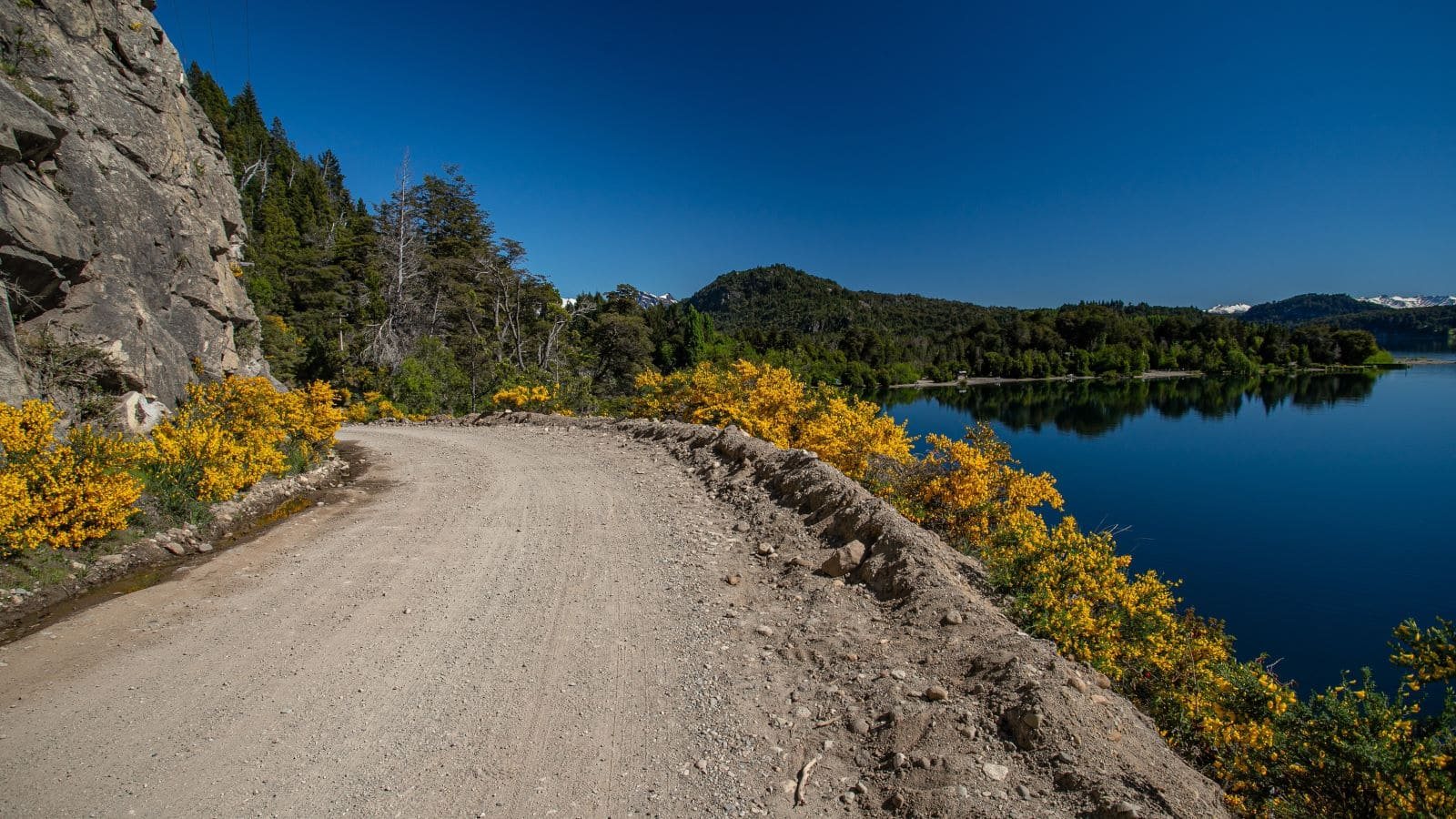
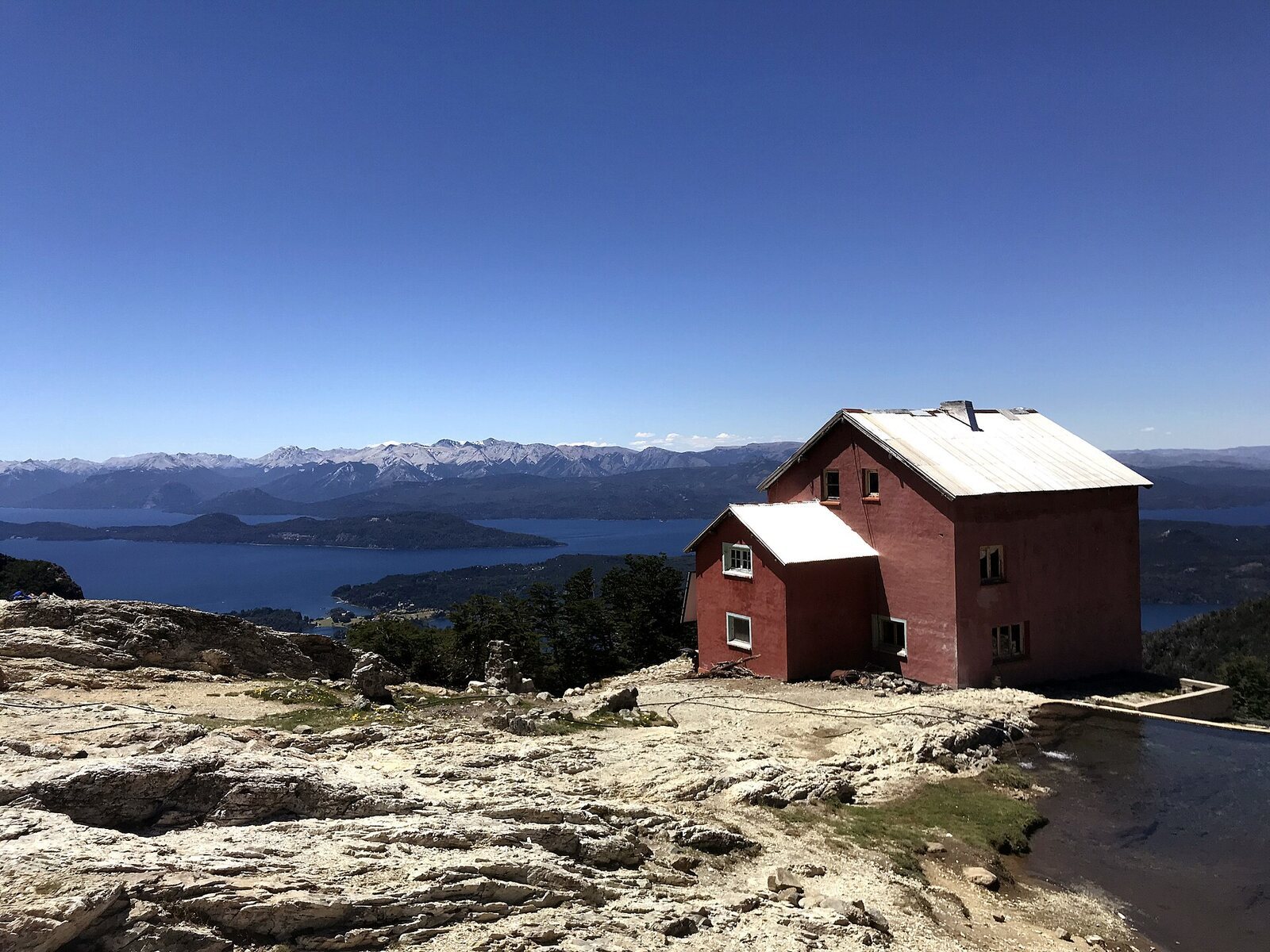
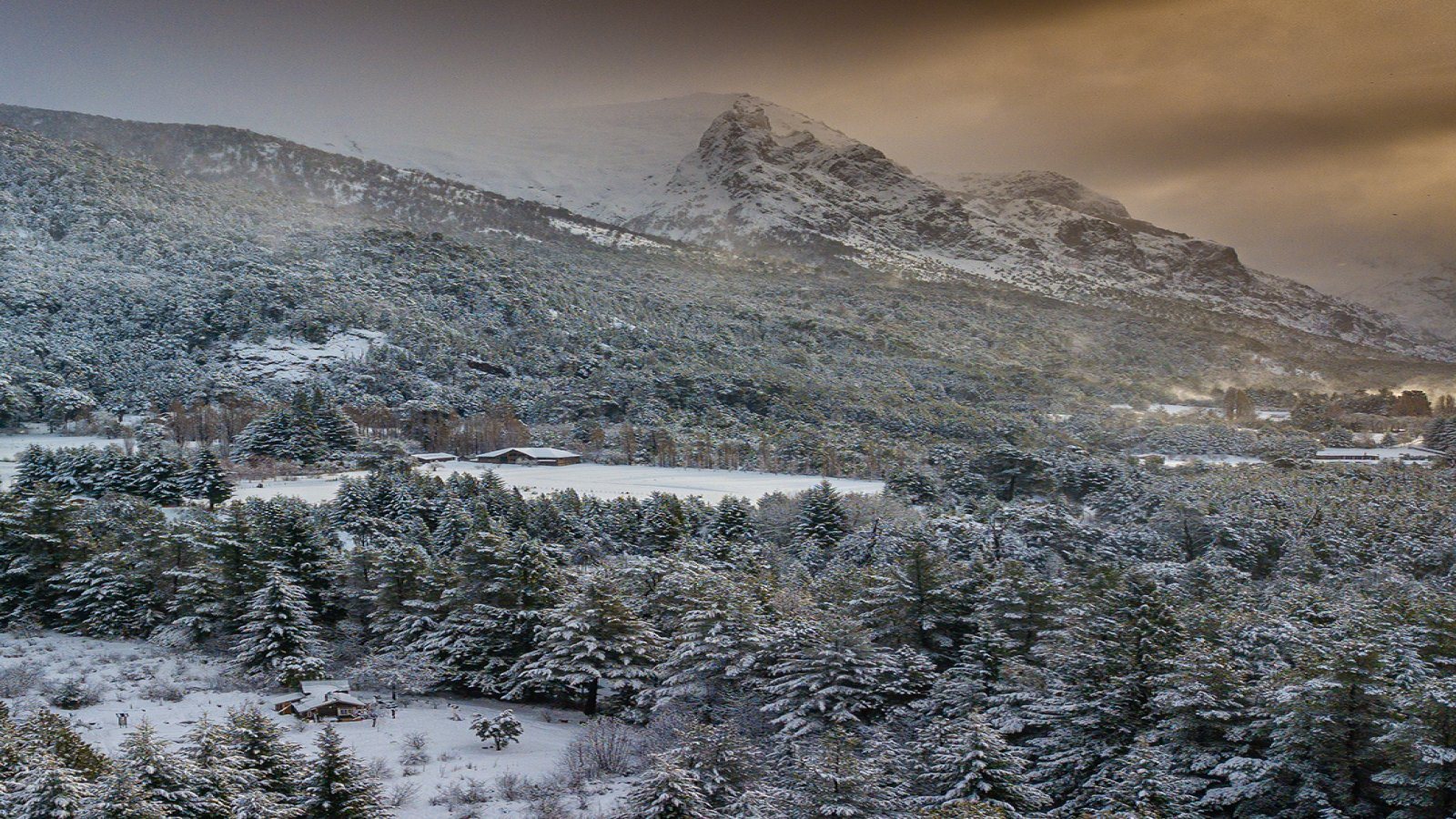
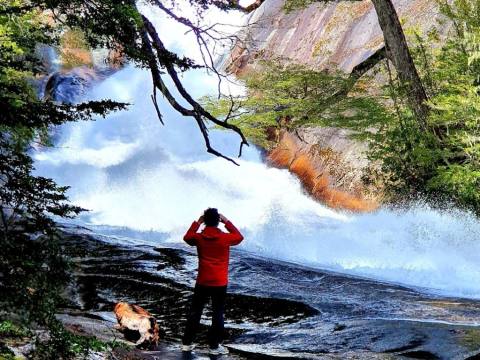
Colonia Suiza lies about 25 km from downtown Bariloche, at the foot of Cerro López, and was the first European settlement in the region. Its story begins with a family from the canton of Valais: Joseph Goye and Henriette Goye-Borgeat left Saxon, Switzerland, in 1883 with four of their children and first settled in Victoria, Chile, drawn by the promotion of the colonization companies.
In 1896 two of the sons, Félix and Camilo, set out to find a more suitable place and chose the Nahuel Huapi area because its landscape resembled their homeland. Around 1899 they crossed with carts through Las Lajas, Neuquén, together with their sister María Felley-Goye. In 1903 they were joined by Eduardo Goye, a 17-year-old nephew who came from Switzerland, and between 1903 and 1911 they were granted lots 83, 84 and 85 of the Nahuel Huapi Colony. The first families, all French-speaking, were the Goye, Mermoud, Cretton, Felley, Jackard, Fotthoff, Lojda and Neu.
The settlers lived on farming and livestock: they sowed barley and rye, and won awards for their wheat in 1910 and for their fruit production in 1925. From 1930 the Goye & Fant sawmill brought strong economic activity to the colony until it closed in 1975. Later, the paving of Provincial Route 77, which took the Circuito Chico away from the village center, changes in the climate and limits on logging led to years of stagnation; today the colony's economy is being reshaped by tourism.
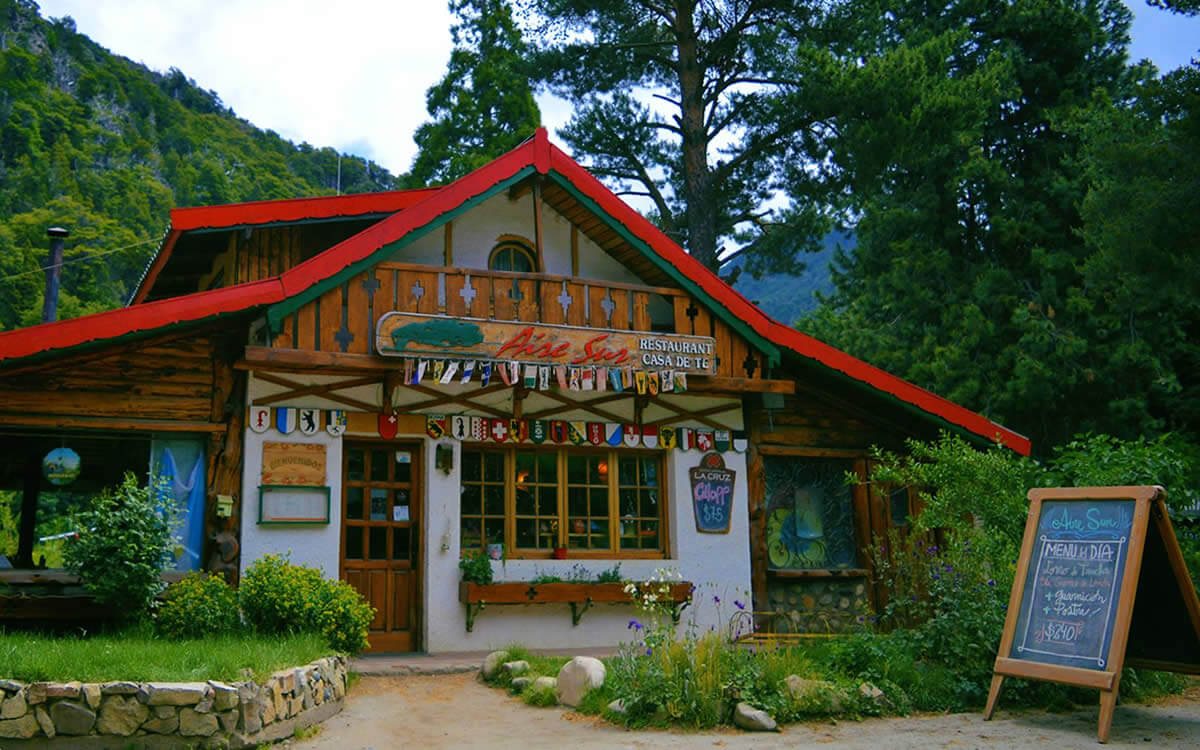
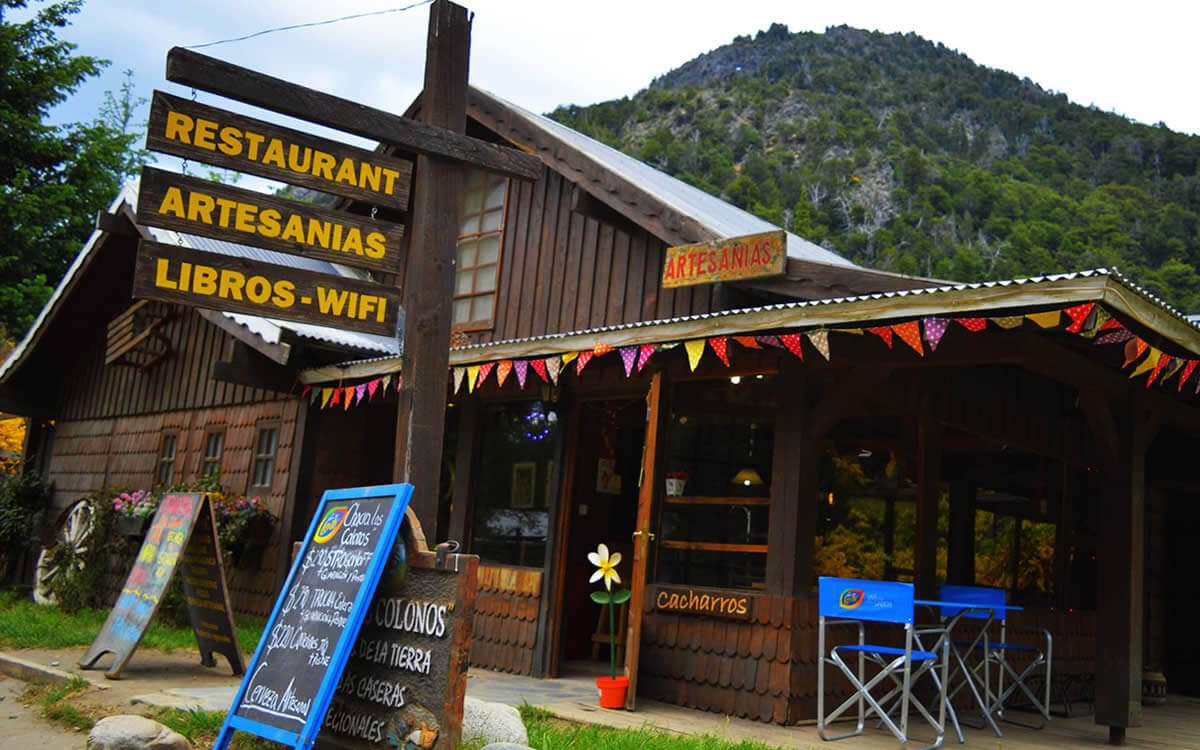
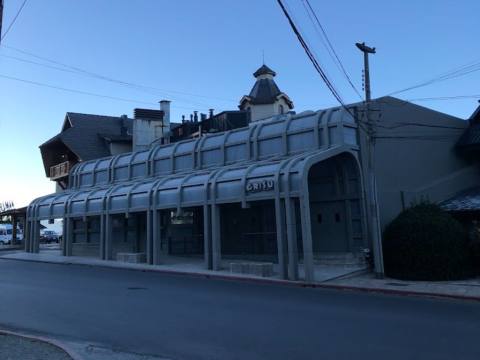
The village keeps its timber-framed houses, mostly of cypress, with gabled roofs, and several of its buildings are part of Bariloche's historic architectural heritage. The oldest is La Casa Grande, the log cabin Félix Goye built around 1899. School No. 129 “República de Suiza” was built with the work and contributions of the neighbors on one hectare donated by Félix Goye in 1936, and opened on November 12, 1937 with about fifty pupils who spoke French. The Nuestra Señora del Rosario chapel, with its pointed arch and cypress-shingle roof, was built in 1958 with funds from a neighborhood collection.
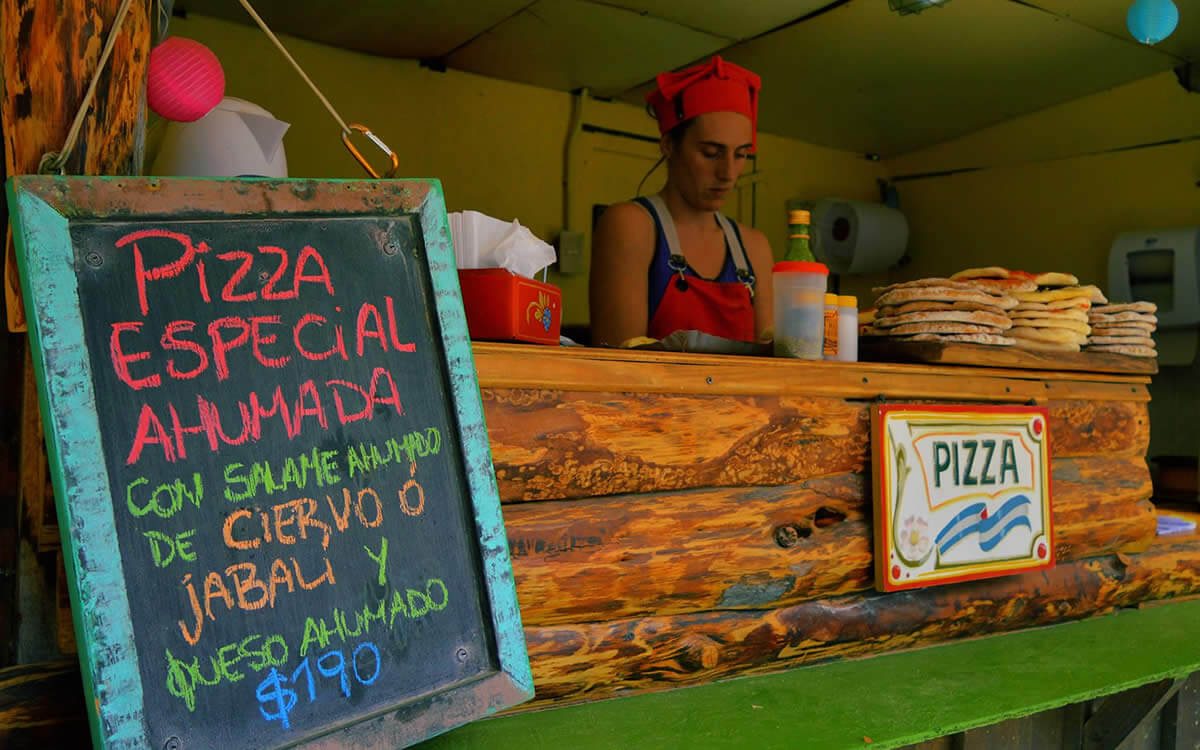
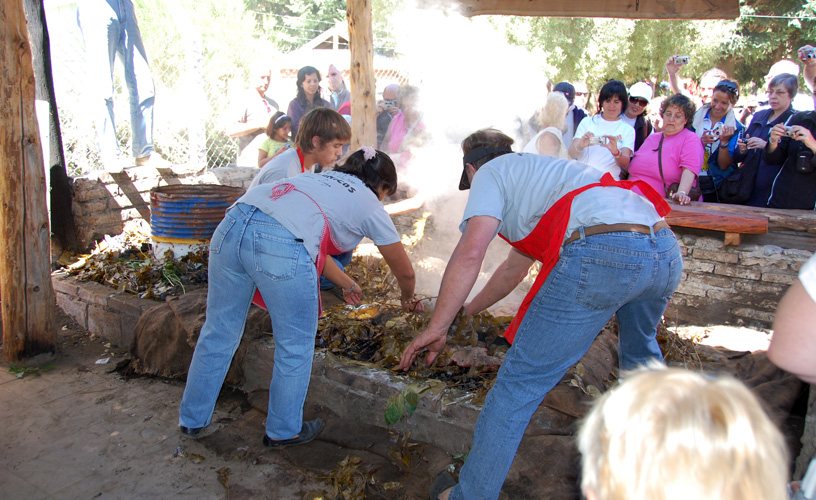
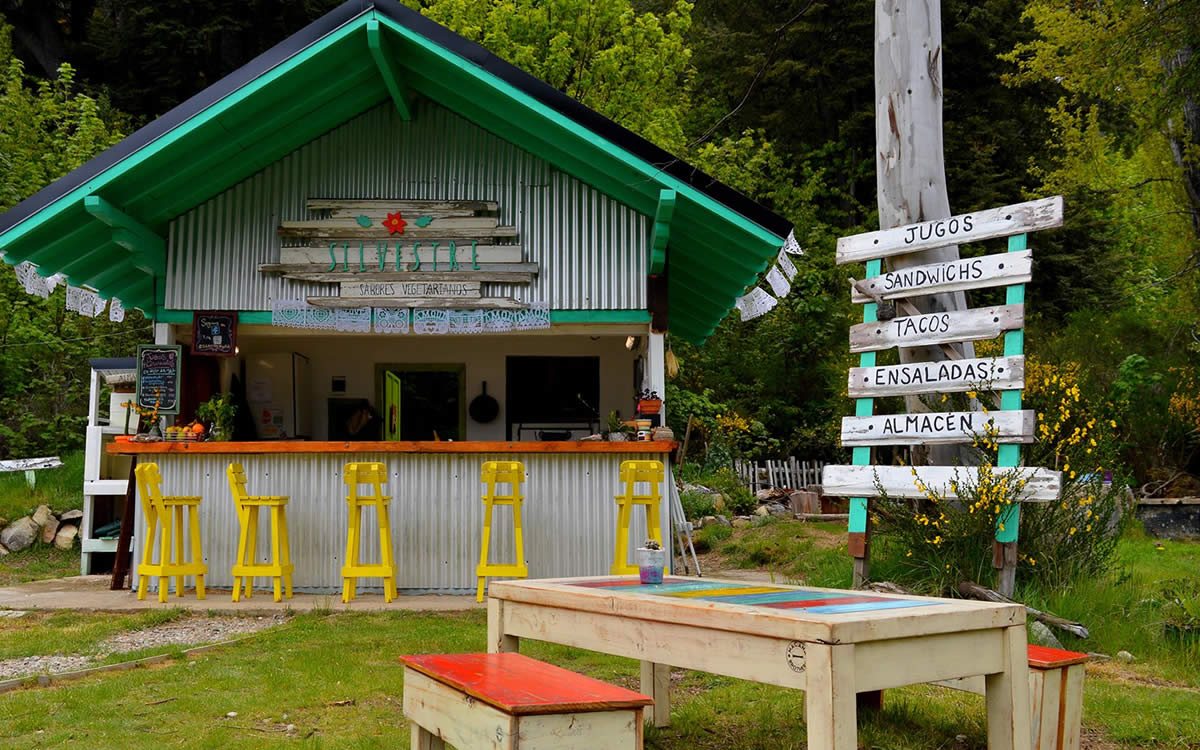
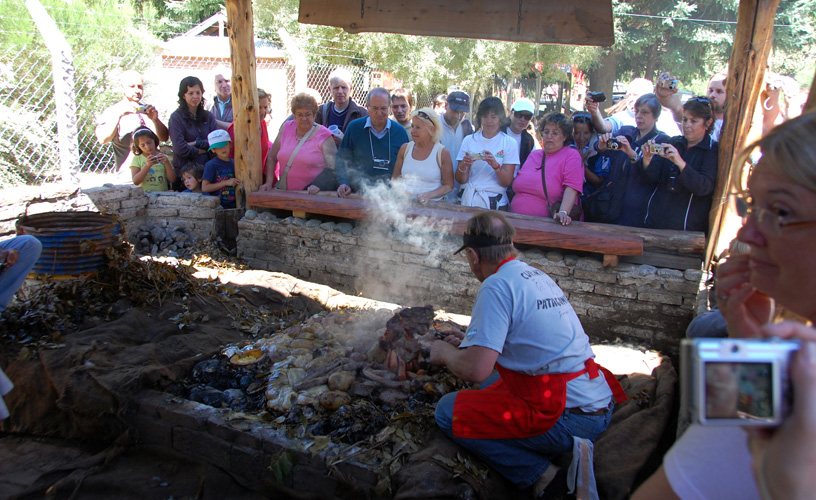
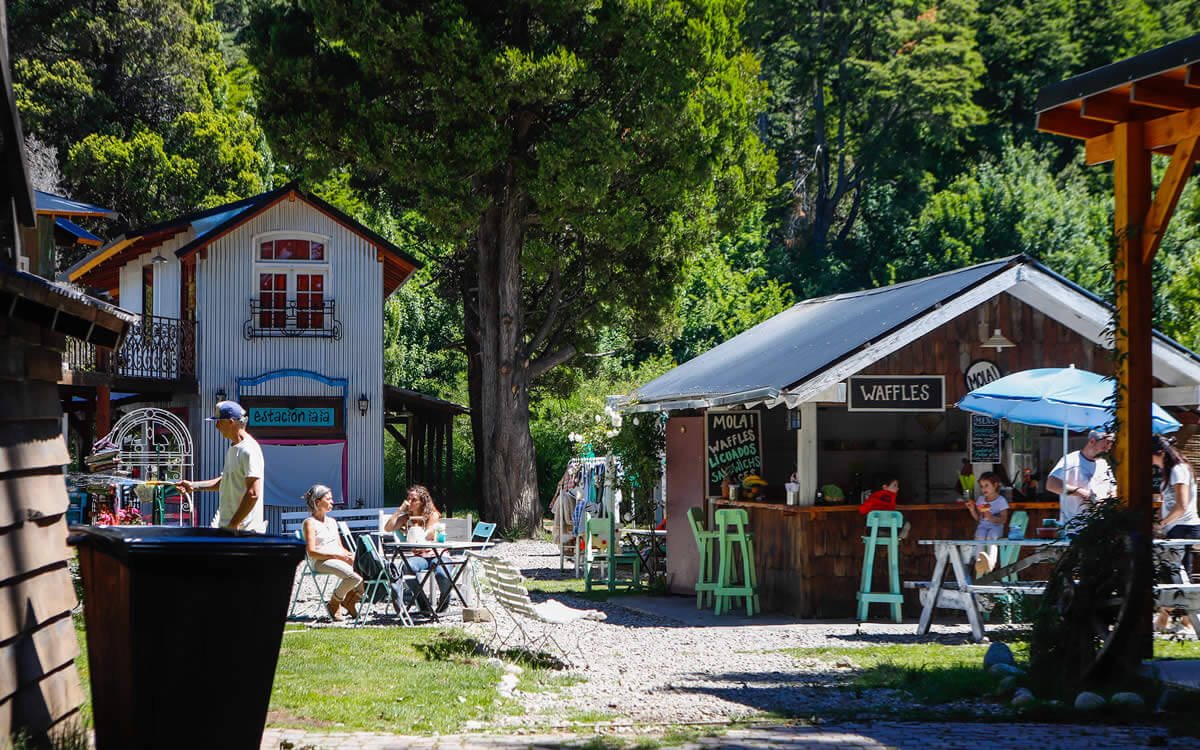
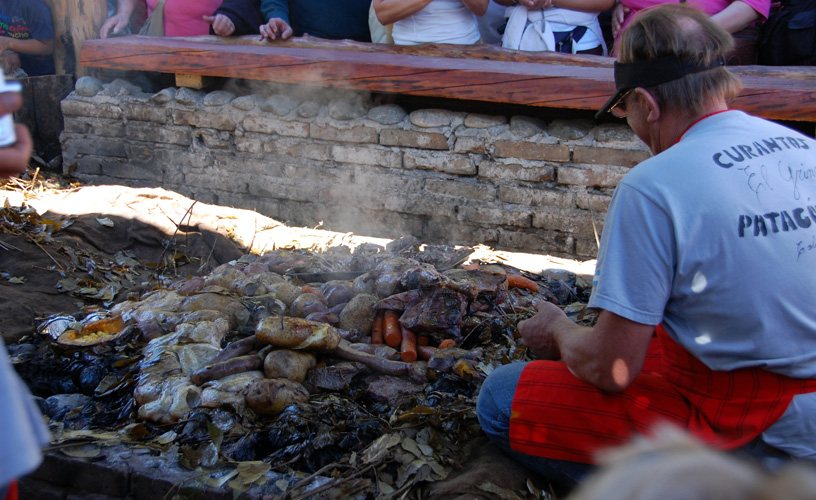
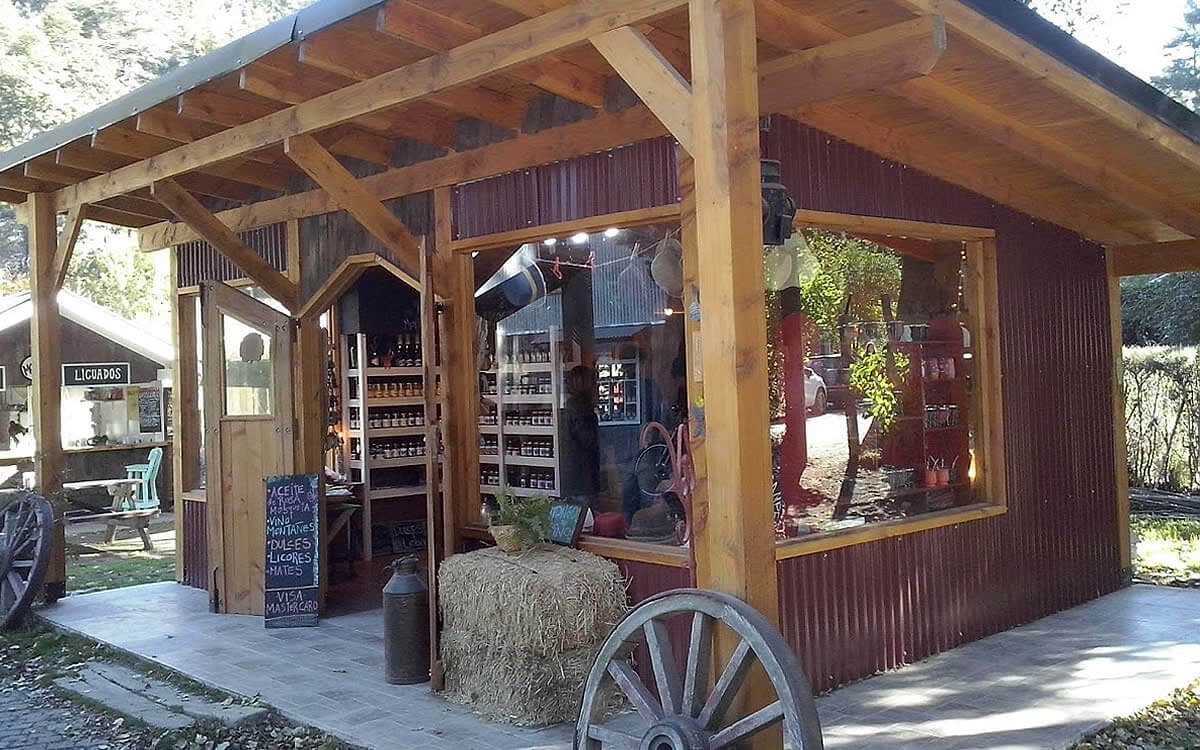
The colony's hallmark is curanto, a dish of Araucanian origin brought from Chile by Emilio Goye, one of the first settlers. It is cooked in a pit, with stones heated over a wood fire and the food covered with maqui or nalca leaves; here the Chilean shellfish was replaced with meat. Every year the colony hosts the Fiesta Nacional del Curanto (National Curanto Festival), which began more than twenty years ago. On Wednesdays and Sundays the craft fair is held, with stalls of regional products, tastings and the preparation of curanto, and in the colony you will also find soft-fruit plantations, tea houses and a public beach on Lake Moreno. As days and activities may vary, check beforehand with the Bariloche Tourism Office.
How curanto is made
The recipe as it is prepared in Colonia Suiza: it is not cooked in a pot but in the ground, on hot stones. Its name, of Araucanian origin, means “hot stone”.
Cooking time: almost 3 hours


Ingredients
- Thin coihue firewood
- Stones
- Maqui branches and leaves
- Meat: chicken, beef and lamb
- Offal
- Potatoes and sweet potatoes
- Apples
- Squash
- Cheese
- Cloths and soil to cover
Step by step
- A wide, shallow pit is dug in the ground.
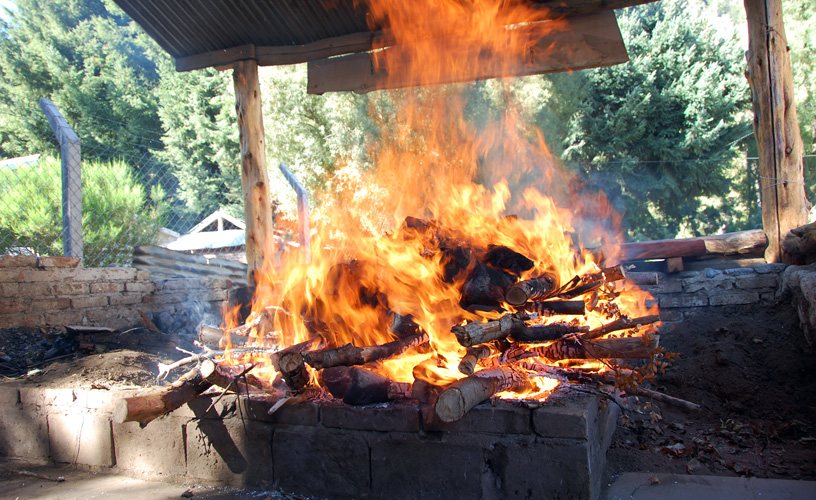
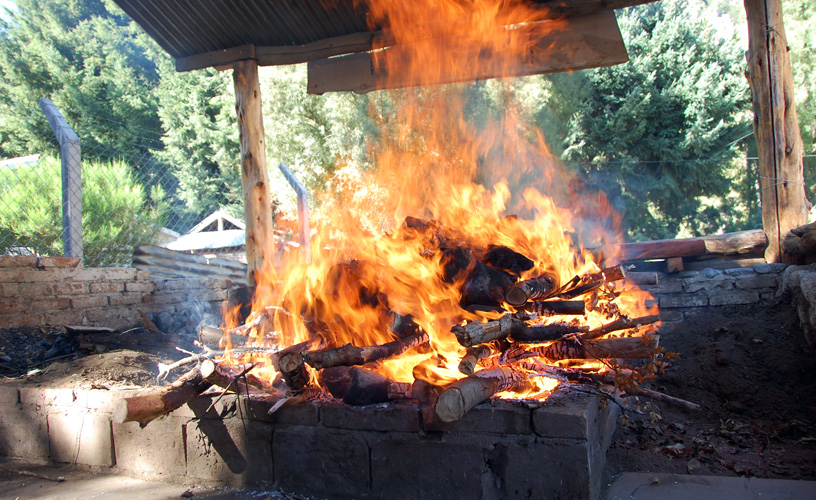
- Thin coihue branches go in, with the stones on top.
- The fire is lit. When the wood burns down, the hot stones fall to the bottom of the pit.
- Maqui branches are laid on the stones and, on top, the meat, potatoes, sweet potatoes, offal, apples, squash and cheese.
- Everything is covered with more maqui leaves and then with cloths and soil, leaving only a small chimney open on one side.
- It cooks for almost three hours. Then it is uncovered layer by layer, carefully, and served.
At the Crafts Fair it is prepared on Wednesdays and Sundays; the fire is lit at 11 a.m. Days may change: check with the Bariloche Tourism Department.
Colonia Suiza in old photos