Outings and excursions · Neuquén
National Confluence Festival: Neuquén celebrates on the banks of the Limay
Photos: Municipalidad de Neuquén · Gobierno del Neuquén · Wikimedia Commons
Nights of big concerts, an entrepreneurs’ fair and food every February at Isla 132, on the Limay River.
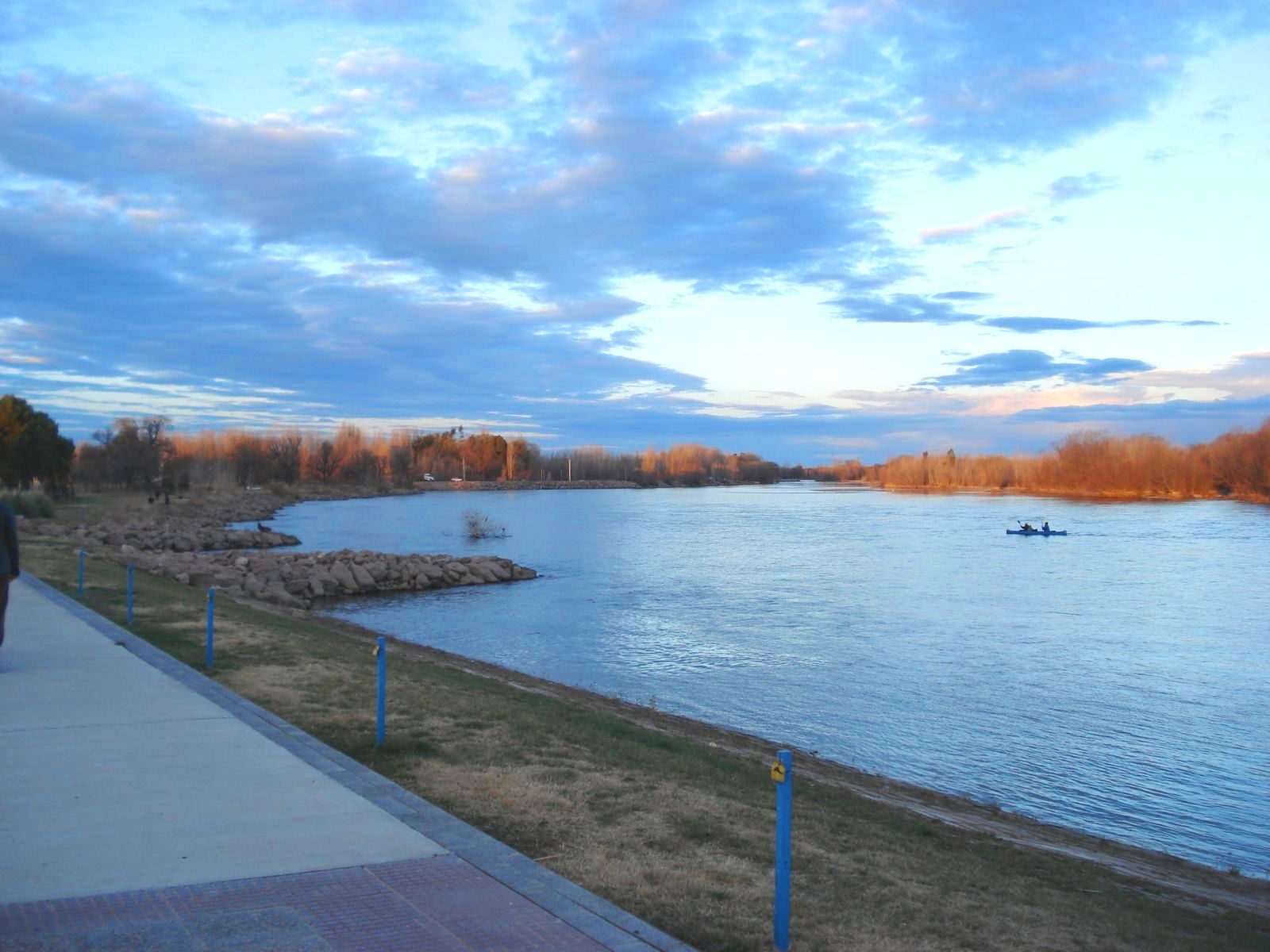
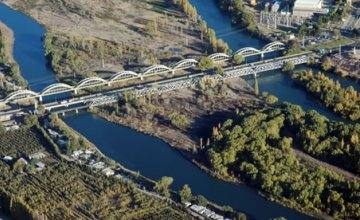
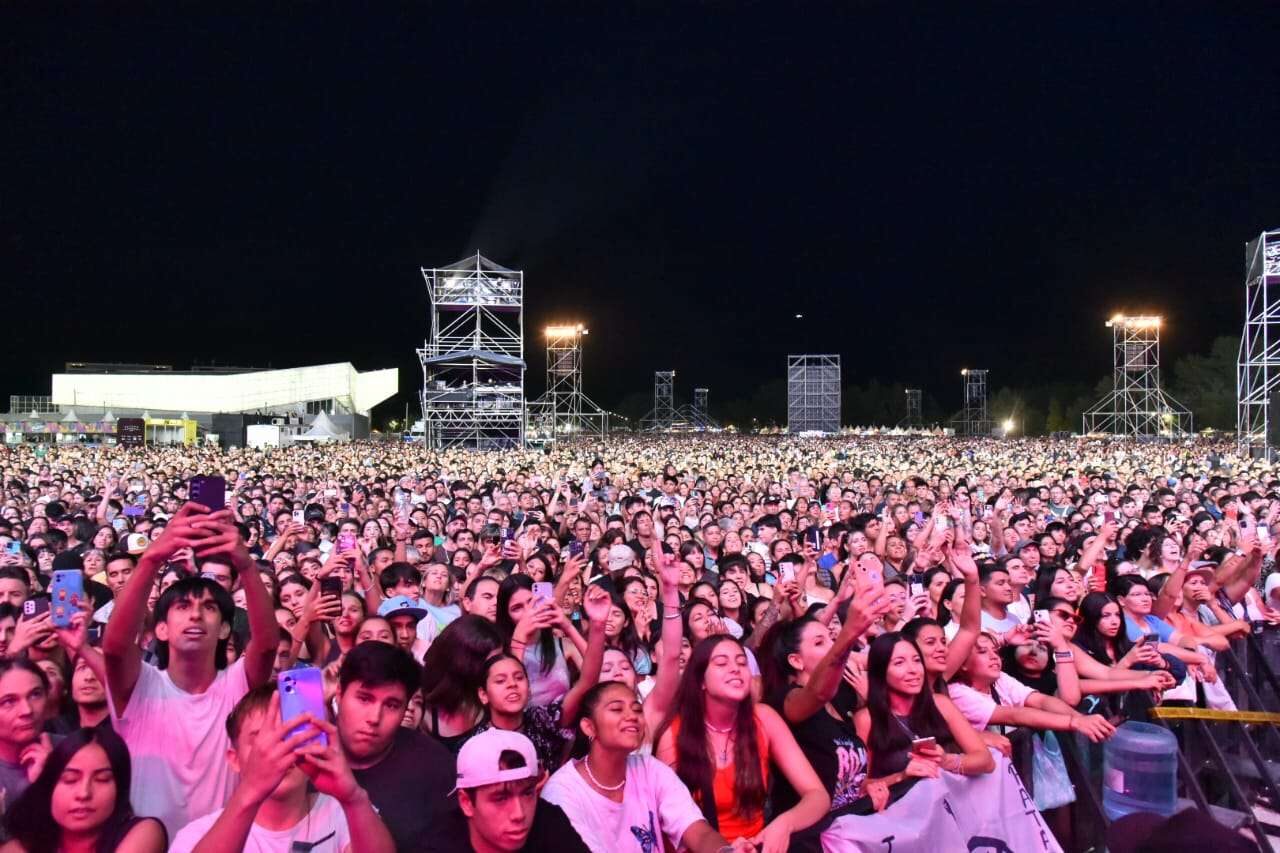
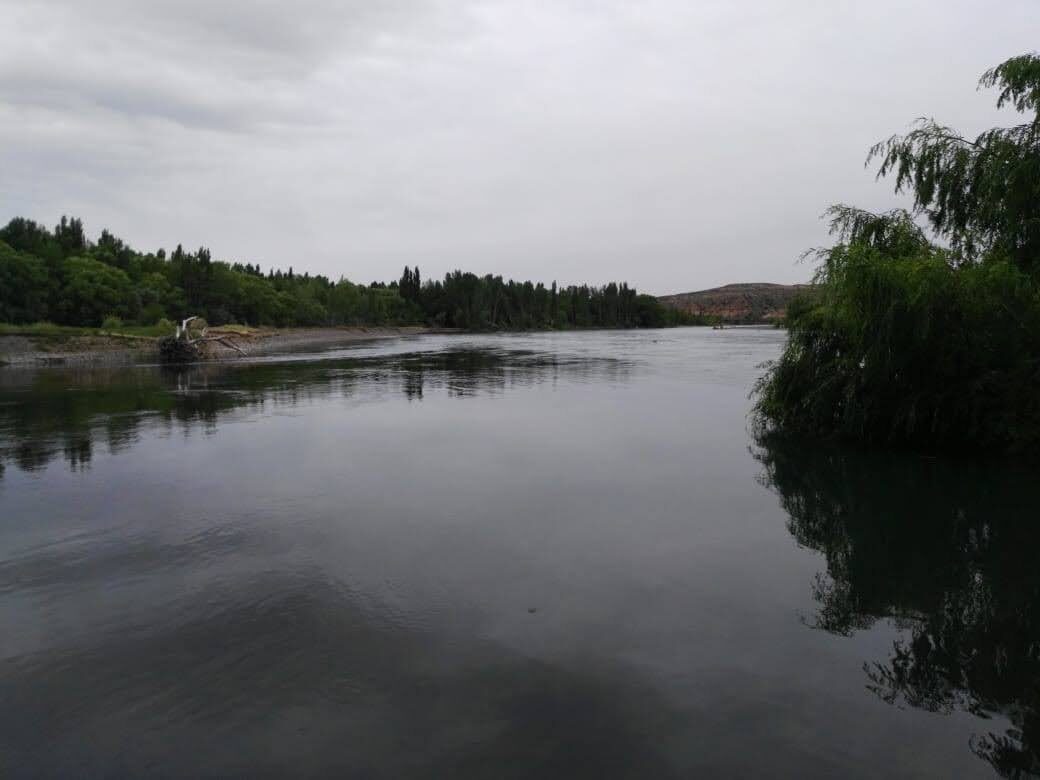
Every February, the city of Neuquén sets up one of the country’s biggest summer festivals by the Limay River. The National Confluence Festival —named after the meeting of the Limay and Neuquén rivers, where the Río Negro begins— combines concerts by national artists, a large entrepreneurs’ fair, food and cultural activities. It is organized by the Municipality of Neuquén.
From the Limay riverside to the national calendar
The festival was created by a municipal ordinance in 2010 and its first edition was held in 2013 on the Paseo Costero, over three days. In 2016 a provincial law declared it a Provincial Festival, and today it has national status. Over the years it has added days: the 12th edition, from February 6 to 9, 2025, had more than 1,400,000 visitors in four days according to the Municipality, with the city’s hotels fully booked.

What to see and do
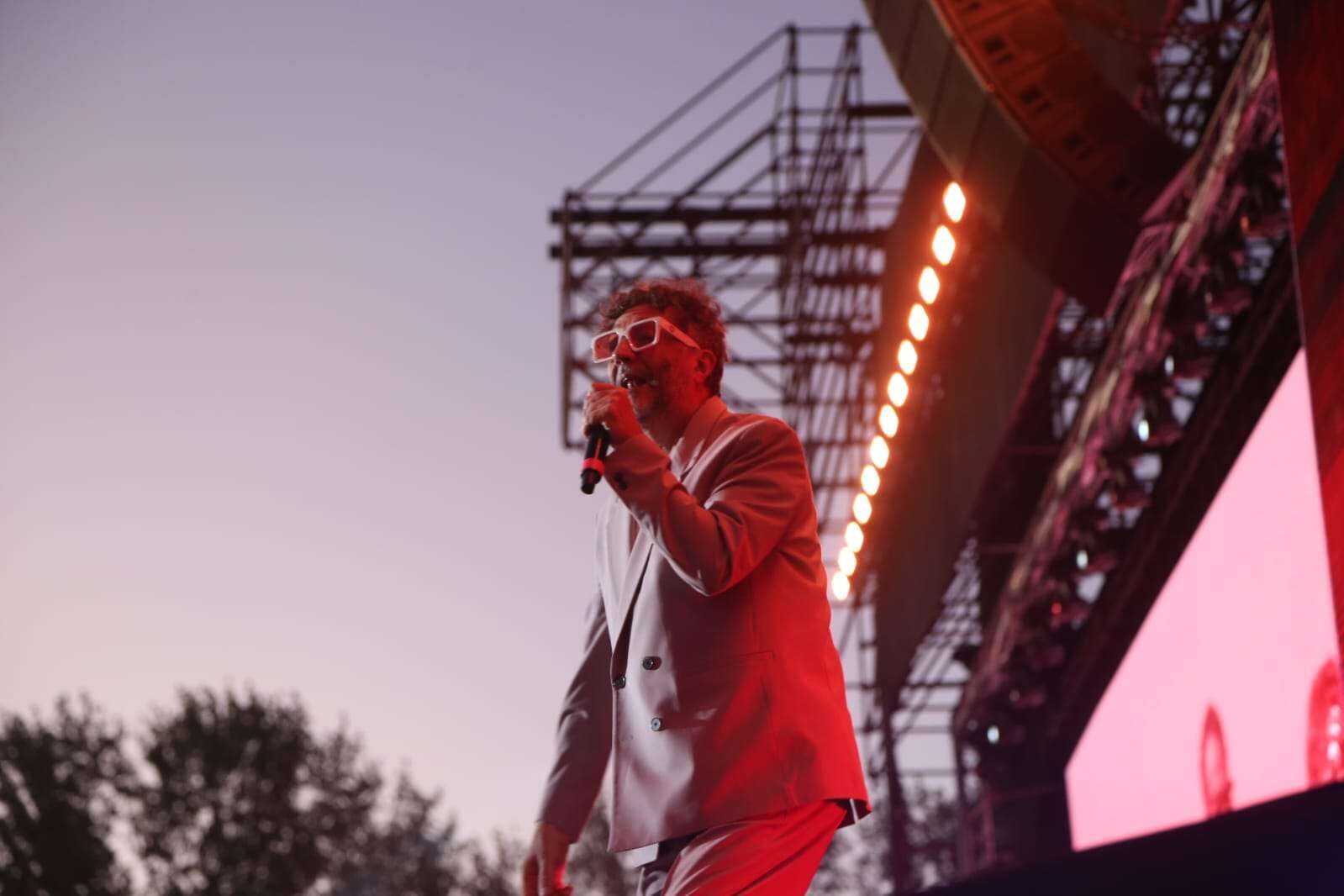
- Concerts on the main stage, with national artists of different genres.
- The «Neuquén Emprende» fair, with some 200 entrepreneurs from the city and the rest of the province.
- The «Confluencia de Sabores» food area.
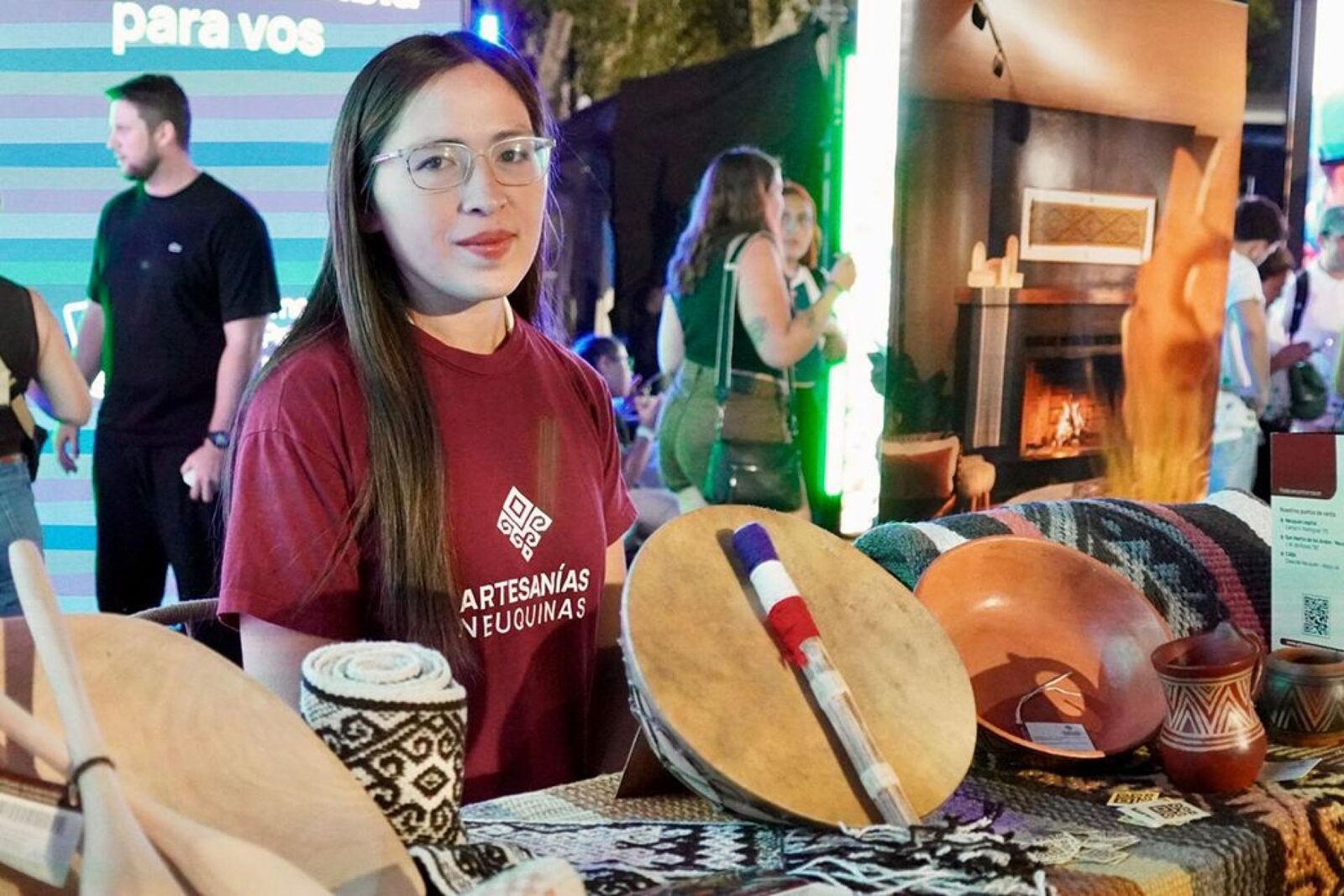
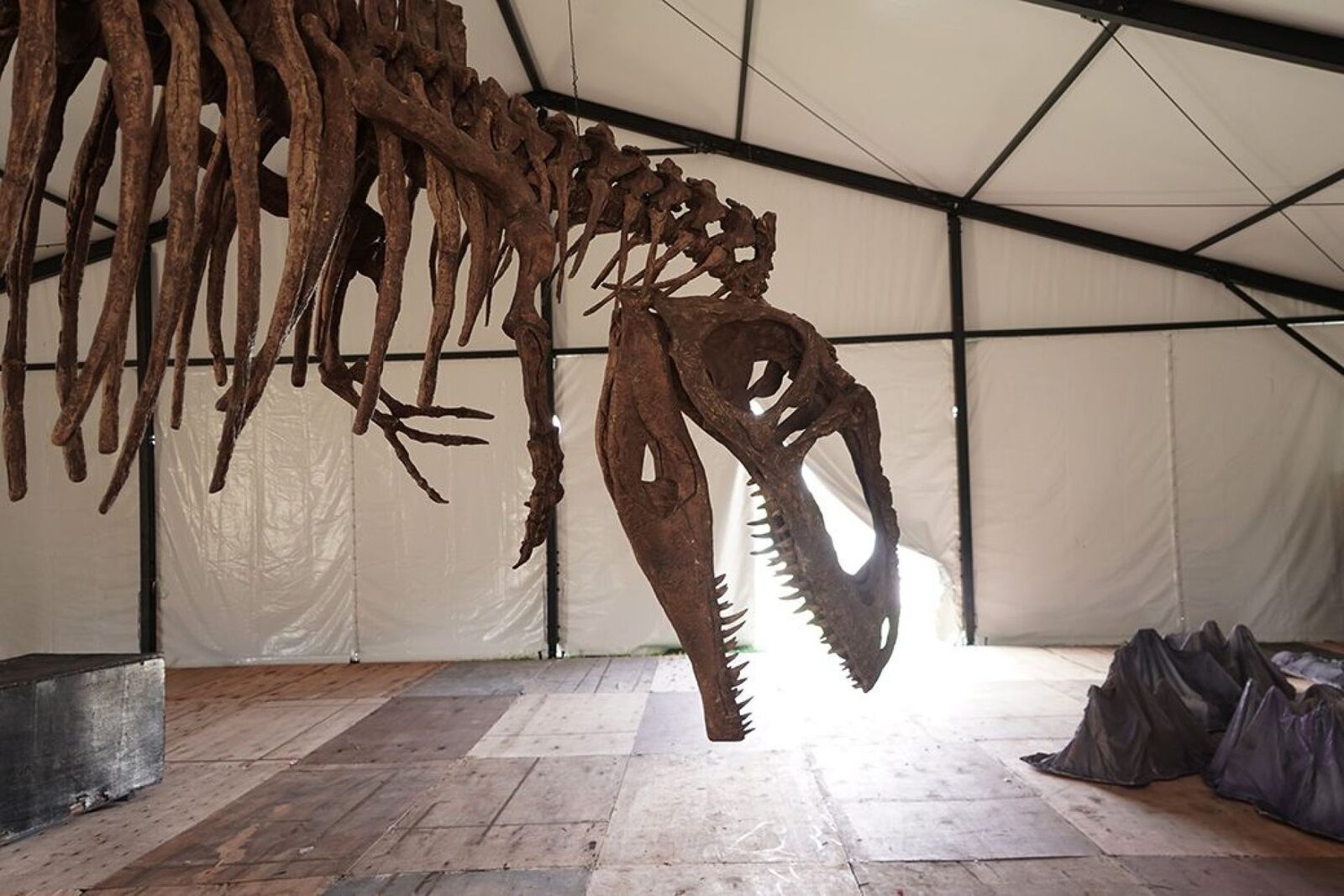
- The Province’s spaces: in 2026 there were Artesanías Neuquinas and tourism stands, and the «Despertar de los gigantes» paleontology tent, with a replica of Giganotosaurus, the huge carnivorous dinosaur found in Neuquén.
Where and when
It takes place at Isla 132, a park on the Limay River along the city’s Paseo Costero. It is held in February; the 13th edition ran from February 5 to 8, 2026. The date and line-up of each edition are announced by the Municipality of Neuquén.

Getting there
Presidente Perón International Airport is about 10 km from downtown Neuquén. By road, national route 22 links the city with the Upper Valley of Río Negro and, to the west, with Zapala and the Andes.