Outings and excursions · San Carlos de Bariloche
Bariloche, craft beer from forest to glass: wild yeast, Andean hops and Patagonian food
Photos: TitiNicola · CC BY-SA 4.0 / Fermar · CC BY-SA 3.0 / Laboratorio de Tecnologías Libres · CC BY-SA 2.0 / Jmmuguerza · CC BY-SA 4.0 (Wikimedia Commons)
A journey through Bariloche’s craft beer, from the wild yeast discovered in its forests to the breweries, the dishes and the lakeside taprooms.
In Bariloche, craft beer is no longer just something you drink at the end of the day: it has become a way to explore the city. Behind every tap there are hops from the Comarca Andina, flowers and berries from the hills, a wild yeast discovered in the local forests and a cuisine built around trout, lamb and venison. This outing follows that thread, from the laboratory to the lakeshore.


Bariloche beer at a glance
A city that learned to make everything
Bariloche’s bond with beer goes back a long way. The early settlers lived far from the big cities and had to be self-sufficient: they made beer, liqueurs and whatever else they needed. That habit gave rise to two products that now define the city, chocolate and craft beer. By 2017 Bariloche had more than twenty breweries, and although the map has changed since then, beer is still one of its signature flavors.
From the forest to the lab
Bariloche is home to IPATEC, the Andean Patagonian Institute of Biological and Geoenvironmental Technologies. There, researcher Diego Libkind identified Saccharomyces eubayanus, a wild yeast that lives alongside the llao llao fungus on native trees such as coihue and lenga. First described in 2011, it is considered one of the ancestors of the yeast used to brew lager beers around the world, and it makes it possible to brew one hundred percent Patagonian beers. The institute licensed it to Heineken, which released a limited edition called H41, and it also trains local brewers to use it and develop their own yeasts. It is now preparing a food experience, together with chef Pedro Martinet, so visitors can taste what is made with these yeasts.
Science has made it to the bar, too. Brew Sisters was founded in 2018 by Julieta Burini, a biologist and CONICET researcher at IPATEC, Clara Bruzzone and Sol Aguirre Bengoa, to give visibility to women in brewing. They have no brewery of their own: they brew at the Wesley plant and, in return, provide microbiological quality control. Their flagship is the Foxy Lady IPA, and they also make a light Rice Lager, brewed with rice and designed to go with food. Since it is unpasteurized, they keep it cold all the way to the glass.
The breweries and their flavors
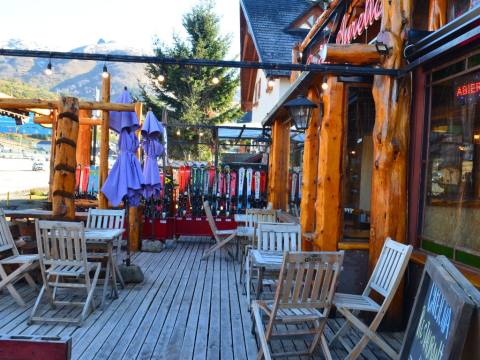
Berlina was founded in 2004 by brothers Bruno, Guido and Franco Ferrari. Its brewery is in Colonia Suiza, and it has taprooms at kilometer 12 of Bustillo Avenue, downtown and on Cerro Catedral. It uses hops from El Bolsón and adds rosehip or juniper to its seasonal styles. Manush brews in neighboring Dina Huapi with hops from the Comarca Andina, and half of its output is now canned; its kitchen, led by chef Takeru “Take” Adachi, pairs Asian food with beer, with dishes such as trout temaki or tonjiru, a soup similar to ramen but without noodles. Wesley started in 2014 on the Tom Wesley family property, known for its horseback rides; its Argenta IPA is made with one hundred percent El Bolsón hops, and its menu revolves around lamb, venison, trout and organic vegetables from the Comarca. To plan a tour of the downtown bars, see also The beer route in Bariloche and 5 must-visit breweries.
What about the water?
People say the secret is the water flowing down from the Andes. Brewers themselves put it in perspective: Bariloche’s water is excellent, but today good beer is brewed even where the water is very hard, thanks to filtering. At Wesley, for example, they do the opposite of what you might expect: they add minerals, because the yeast needs sodium, phosphates and other nutrients to ferment properly.
Beer with a view
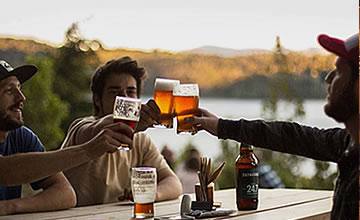
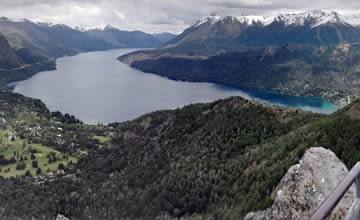
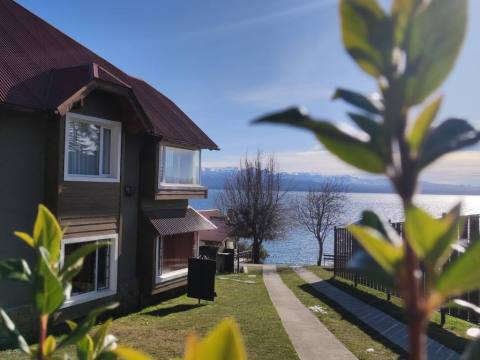
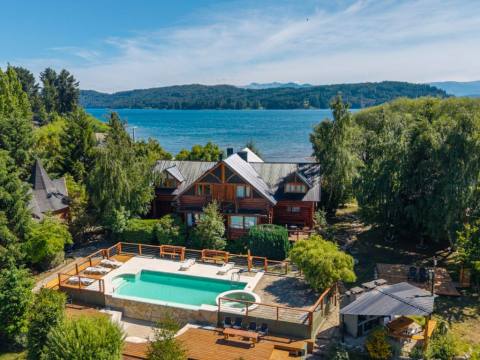
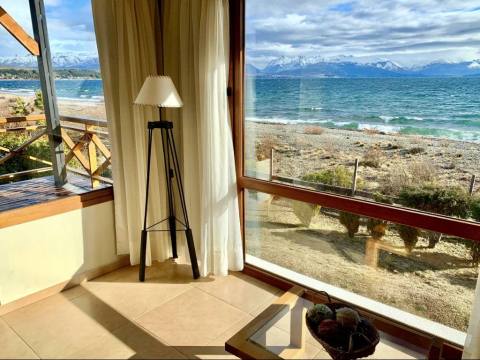
In the end, what sets the Bariloche beer experience apart is the setting: there are options downtown, on the mountain and on the lakeshore. On the Circuito Chico, the Patagonia beer 24.7 stop, with food by chef Pablo Buzzo, offers boat trips on Lake Moreno from its own pier, e-bike rides along the circuit and hiking trails within the property.
Tip: Combine a visit to Colonia Suiza with the Circuito Chico and save the tasting for the end of the day. If you are driving, decide beforehand who will be behind the wheel, and ask at each place about the seasonal beers, which change with what the hills provide.