Outings and excursions · Ushuaia
Martillo Island Penguin Colony from Estancia Harberton
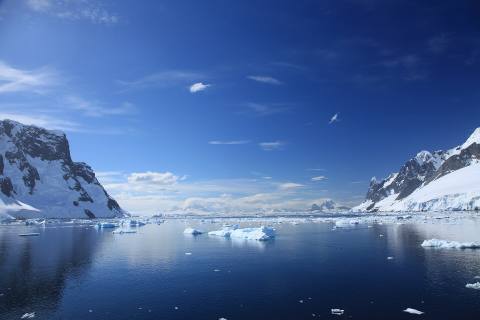
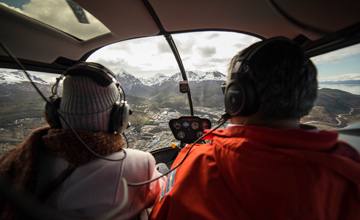
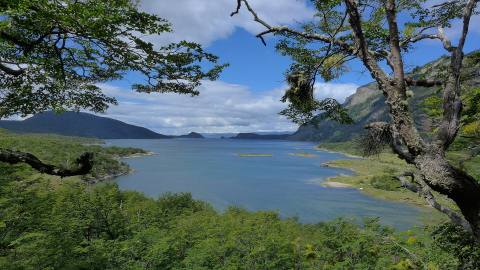
Photos: Horacio Fernandez · CC BY 3.0 / Horacio Fernandez · CC BY 3.0 / Cayetano Roso · CC BY 3.0 / Liam Quinn · CC BY-SA 2.0 (Wikimedia Commons)
About 85 km from Ushuaia, opposite historic Estancia Harberton, a Beagle Channel island where Magellanic penguins nest alongside South America's only gentoo colony.
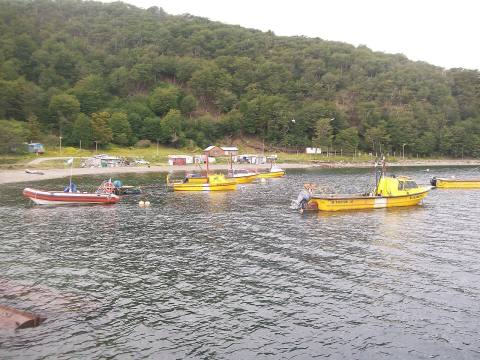
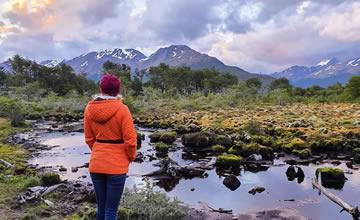
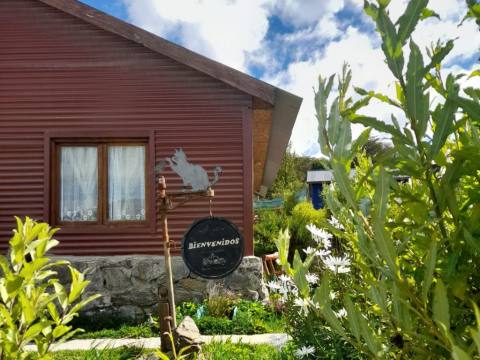
The trip starts well before the first penguin shows up. From Ushuaia you head east on National Route 3 and then turn onto Route J, a gravel road that winds through forest and peat bogs down to Harberton bay. It's about 85 kilometers to the estancia Thomas Bridges founded in 1886, the first in Tierra del Fuego and a National Historic Monument since 1999.

Across the water, in the Beagle Channel, lies Martillo Island, also mapped as Yecapasela. It's small and low: roughly 1,800 meters long, around 32 hectares, and just 5 meters at its highest point. It holds Argentina's southernmost Magellanic penguin colony, which grew from about 500 pairs in the early nineties to nearly 2,000 nests by 2005.

The surprise is the gentoos, easy to spot by their orange bills and feet: they have nested here since the mid-1980s, and it is their only breeding colony on South American soil. Now and then a king penguin turns up too. Among the burrows you'll also see cormorants, skuas and kelp gulls, and offshore, the giant kelp forests that ring the island.

There are two ways to visit. From the estancia, a guided outing lands on the island and walks a staked-off area of about 800 square meters, with penguins and their burrows just a few steps away. The other option is a wildlife-watching cruise from Ushuaia's tourist pier: the boat noses up to the shore and the penguins come close, while everyone stays on board. Before or after, the Acatushún Museum, devoted to the region's birds and marine mammals, is well worth the time.

Magellanic penguins arrive in September, lay their eggs around mid-October and incubate them for about 40 days; chicks hatch in November and are fed by both parents for 70 to 100 days. That's why visits run from October to April.
- Tour type: Wildlife watching and boat trip
- Difficulty level: Easy (short walk on flat ground)
- Tip: Places on the island walk are limited, so book ahead. From October to January the southwest wind blows hard: bring a windbreaker and stay inside the marked area.